Chimney Flashing: How It Prevents Leaks and Why Maintenance Matters
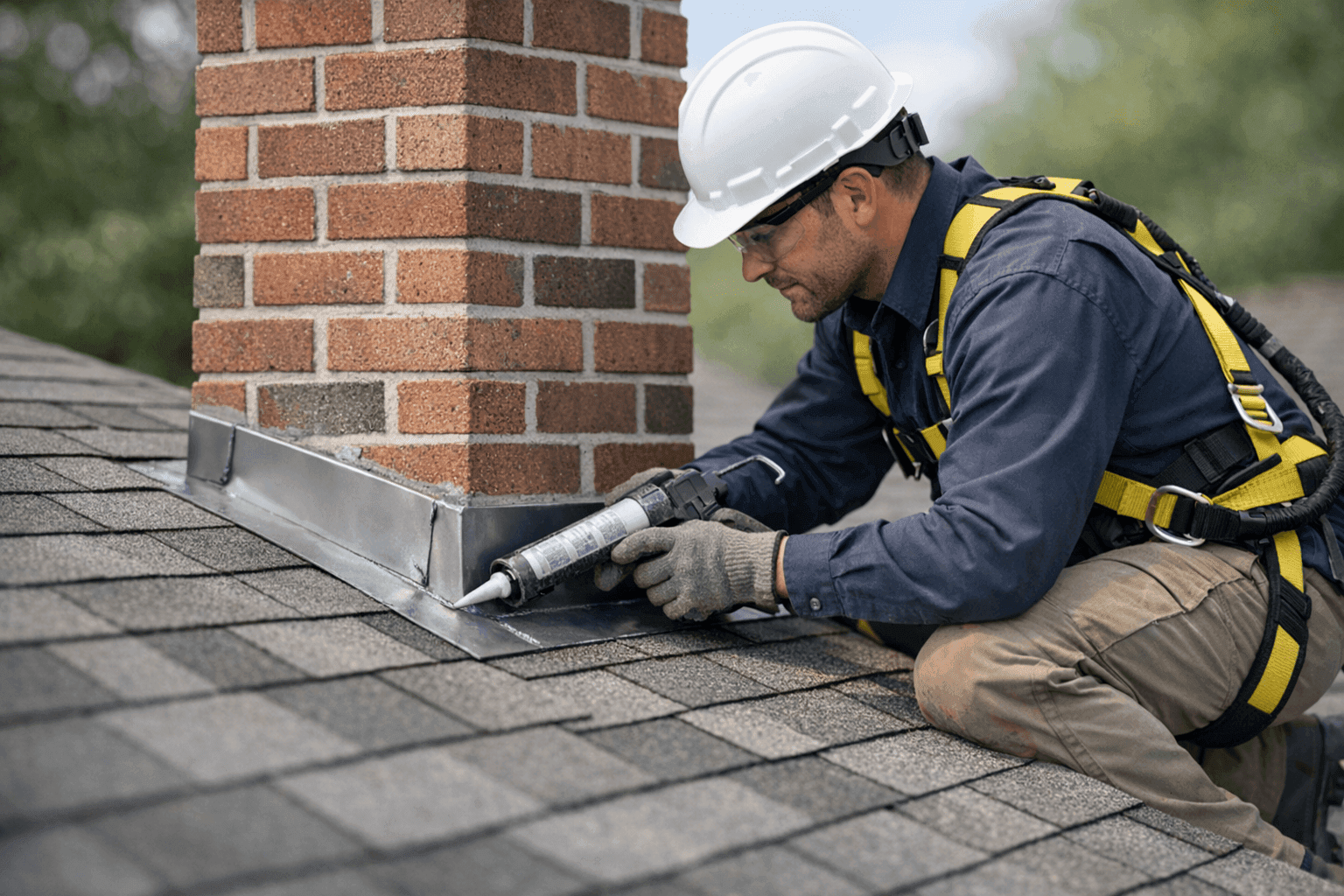
When rain pounds down, your chimney’s flashing is the unsung hero—shielding your home or business from leaks that can cost thousands. Most people forget it’s even there. Until water stains start creeping along the ceiling or walls. By then, the damage is underway.
At Robert Foley Roofing, our team has seen what happens when flashing is ignored. We’re here to break down what you need to know—so your roof, and everything under it, stays dry and protected.
What is Chimney Flashing? 🏠
Think of chimney flashing as the waterproof jacket for the place where your chimney meets the roof. It’s a system of thin metal layers (usually aluminum, galvanized steel, or copper) installed at the joint where masonry and shingles connect. The goal: direct water away from this vulnerable seam.
Flashing comes in several pieces:
- Step flashing: These L-shaped metal segments tuck between roof shingles, running up the sides of your chimney.
- Counter flashing: Embedded in the chimney mortar, this covers and protects step flashing edges.
- Base flashing: Sits at the base of the chimney, facing uphill.
- Cricket or saddle flashing: A small, peaked addition on the high side of larger chimneys, guiding water around instead of letting it pool.
Well-installed flashing forms a lock-tight shield, keeping leaks at bay for years.
How Flashing Prevents Leaks
Water is stubborn. It seeks out every crack, seam, and gap. Without flashing, rain would sneak right in where your chimney and roofing meet—like a drafty window in a storm.
Here’s how flashing works:
- Deflection: Flashing redirects rain and melting snow, channeling it down the roof and into your gutters—not your attic.
- Barrier: The overlap between step and counter flashing creates a watertight seal, blocking wind-driven rain from entering.
- Durability: Metals like copper and steel resist corrosion, outlasting many other roof materials.
- Flexibility: Flashing bends and flexes with your roof’s normal expansion and contraction—important during temperature swings.
When installed right, flashing is nearly invisible. But its job is critical—like a goalie keeping water from scoring in your living room.
Common Signs of Flashing Failure ⚠️
Spotting flashing problems early is key. Here’s what to look for, inside and out:
Exterior warning signs:
- Rust streaks or corrosion on flashing metal
- Gaps or cracks along the base or sides of your chimney
- Shingles curling, lifting, or missing near the chimney
- Mortar joints at the chimney base deteriorating
- Pieces of metal or nails on the ground below
Interior clues:
- Water stains or bubbling paint on walls or ceilings near the fireplace
- Dampness or mold in the attic around the chimney area
- Peeling wallpaper or musty smells after heavy rain
If you spot any of these, your flashing may be letting water in. Fast action can prevent bigger headaches later.
Why Proper Flashing Installation Matters
Sloppy flashing is like wearing a raincoat with holes. Even small mistakes—like nails driven in the wrong place, or flashing installed flat against the chimney without overlap—can cause leaks.
Professional roofers use best practices from building codes and manufacturer guidelines. For example, the International Residential Code (IRC) specifies that chimney flashing must be installed in two parts (base and counter) and properly integrated with the roof deck and chimney masonry (IRC R903.2.1).
Cutting corners means water will find a way in, often hidden for months before it shows up as visible damage.
Quick Safety Checklist for Chimney Flashing
Roof work is risky. Before climbing up, run through this basic list:
- Check for loose shingles or soft roof decking near the chimney.
- Wear slip-resistant shoes and use a sturdy, properly placed ladder.
- Avoid working in wet, icy, or windy conditions.
- Never go alone—have someone nearby.
- If heights or uneven roofs make you uneasy, call a pro.
Remember: a secure roof is worth more than a DIY mishap.
DIY vs. Professional Repair
Some small flashing fixes, like resealing a tiny gap with roofing sealant, are possible for handy homeowners. But most repairs—especially anything involving metalwork or mortar—require experience.
DIY may work for:
- Reapplying a bead of roofing sealant to a minor crack
- Cleaning debris from around the chimney base
Call a professional for:
- Replacing loose, rusted, or missing flashing sections
- Tying new flashing into existing shingles
- Repairing brickwork or mortar at the flashing joint
- Any sign of persistent water intrusion
The right tools, materials, and know-how make a difference in how long your repair lasts.
What the Pros Do On Arrival
When a roofing professional arrives for a chimney flashing service, here’s what you can expect:
- Inspection: Visual check of all flashing, shingles, mortar joints, and the attic beneath the chimney.
- Testing: Sometimes, a gentle water spray simulates rain to pinpoint leaks (always with care to avoid hidden damage).
- Documentation: Photos of problem areas for your records.
- Proposal: Clear outline of recommended repairs, materials used, and estimated timeline.
- Execution: Removal of damaged flashing, replacement with new metal, proper integration with existing roofing, and sealing all seams.
- Cleanup: Debris removal and final inspection to ensure the problem is solved.
Skilled roofers follow safety standards and always check that repairs meet local building codes.
Maintenance and Repair Tips 🧰
Stay ahead of leaks with these chimney flashing upkeep tips:
- Annual inspection: Check your roof and chimney flashing at least once a year—spring or fall is best.
- Clear debris: Remove leaves, twigs, and nests from around the chimney base and flashing.
- Sealant touch-ups: If you spot cracked or peeling sealant, apply a thin layer of roofing caulk to small gaps (never over rusted metal).
- Check after storms: High winds or hail can loosen flashing; inspect after major weather events.
- Professional checkup: Schedule a pro inspection every 2–3 years, or after any roof work nearby.
Even the sturdiest flashing can wear out. Regular checks keep small problems from becoming big ones.
Costs & Time Factors
Chimney flashing repairs aren’t one-size-fits-all. The price depends on:
- Chimney size and shape
- Roofing material (shingle, tile, metal, flat)
- Damage extent (minor resealing vs. full replacement)
- Local labor rates and material choice
Most minor repairs finish in a few hours. Full replacements may take a day, especially if brickwork or new shingles are needed. Investing in quality materials and skilled labor pays off over time—saving you from repeated leaks and structural repairs.
When It’s an Emergency
Sometimes, flashing failure means immediate action. Is water pouring in? Are ceilings sagging, or is there a sudden drip during storms? That’s an emergency. Fast response can prevent ruined insulation, mold, and interior damage.
If you’re in the Lake Ridge area and need urgent help, our team responds quickly—get info anytime from the Lake Ridge roofing support page.
Seasonal Considerations for Flashing
Chimney flashing faces tough seasonal challenges:
- Winter: Freeze-thaw cycles can crack mortar and shift metal flashing. Ice dams may force water under the metal.
- Spring: Heavy rains test every seam—look for leaks after big storms.
- Summer: Intense sun can dry out sealants, leading to shrinkage and cracks.
- Fall: Falling leaves and debris collect around the chimney, trapping moisture.
A quick seasonal inspection can help spot trouble before it soaks through.
Common Mistakes to Avoid
Avoid these pitfalls that lead to flashing headaches:
- Using roofing cement alone instead of proper metal flashing
- Overlapping flashing incorrectly (water can run underneath)
- Failing to tie flashing into the roof deck and chimney mortar
- Skipping regular inspections, assuming “out of sight, out of mind”
- Ignoring small leaks—water damage rarely fixes itself
A little prevention beats a costly repair every time.
FAQ: Chimney Flashing
Q: How long should chimney flashing last?
A: Quality metal flashing can last 20–30 years if properly installed and maintained, but harsh weather or nearby roof work can shorten its life.
Q: Can I just seal over old flashing to stop a leak?
A: Sealants are a temporary fix for minor gaps. If metal is rusted or flashing is loose, replacement is needed for a long-term solution.
Q: Does my insurance cover flashing leaks?
A: Many policies cover sudden, accidental water damage—but not issues caused by neglect or deferred maintenance. Check your policy details.
Q: Is chimney flashing required by code?
A: Yes. Building codes (like the IRC) require properly installed flashing at roof-chimney intersections for both safety and durability.
Preparing for Service
Before your flashing repair or inspection appointment:
- Move outdoor furniture and planters away from the chimney area.
- Secure pets inside—roofing work can be noisy.
- Make a list of any leaks or stains you’ve noticed, and when they appeared.
- Keep access to your attic clear if a check is needed from below.
Clear prep helps your roofer diagnose and solve the problem faster.
Timeline & Disruption
Most flashing repairs or replacements wrap up in half a day to a full day. You’ll hear some hammering and may have workers on the roof, but most jobs cause minimal disruption to daily routines. If interior repairs are needed due to leaks, your roofer will advise on timing and steps.
Materials & Equipment Used
Professional flashing repairs use:
- Pre-bent galvanized steel, aluminum, or copper flashing
- Roofing nails or screws (corrosion-resistant)
- High-quality roofing sealants
- Mortar or masonry caulk (for counter flashing)
- Safety harnesses and ladders
Using the right materials ensures your flashing weathers the storm for decades.
When to Call for Help
Don’t wait for a “waterfall moment.” If you see stains, hear drips, or spot damaged flashing, it’s time to act. Early repairs cost less and protect your roof’s structure.
Whether you’re a homeowner, property manager, or business owner, decking near you and professional flashing repairs keep your building safe and dry year-round.
Call Robert Foley Roofing now — or reach us anytime at 844-684-1881 .