Storm Damage Roof Restoration: Steps to Take After Severe Weather
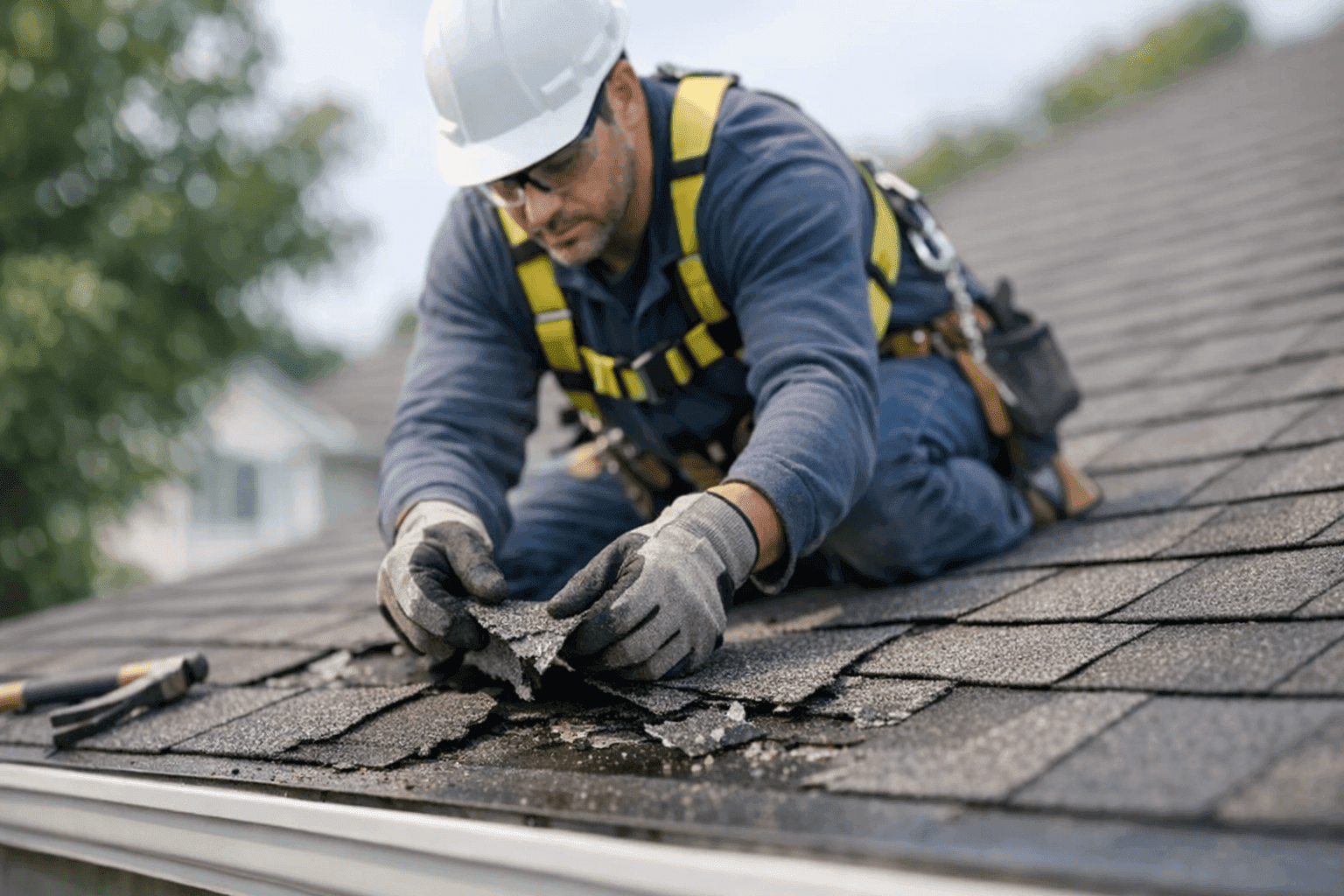
When a storm barrels through, your roof stands as the first—and sometimes only—shield between you and the elements. The aftermath can feel overwhelming. Missing shingles, water stains, and debris scattered everywhere. Homeowners and business owners alike face the same question: What do I do next?
At Robert Foley Roofing, we understand the anxiety storms can bring. Acting quickly and carefully can make all the difference. Here’s a guide to help you move forward, with clear steps and practical advice for both residential and commercial roofs.
Assessing Roof Damage After a Storm 🕵️
The storm has passed. Now, it’s time to see what’s happened up top. Start with a walk around your property. Look for obvious signs:
- Shingles missing or curled up like potato chips
- Bent or broken gutters
- Granules from asphalt shingles collecting near downspouts
- Water stains on ceilings or walls inside
- Debris, like branches, lying on the roof
If you spot any of these, your roof has likely taken a hit. Even if everything looks fine from the ground, hidden damage can lurk beneath. The National Roofing Contractors Association recommends a professional inspection after severe weather, especially if you notice leaks or sagging.
Safety Precautions and Immediate Steps
Before you grab a ladder, pause. Safety comes first—always. Wet roofs are slicker than an ice rink. Stay on the ground and use binoculars if possible. If you must go up, wait until everything is dry and stable. Never walk on a damaged roof after a storm; loose materials make falls more likely.
If you see downed power lines, exposed electrical wires, or structural damage, keep clear and call emergency services. For water leaks inside, move valuables and place buckets to catch drips. Document everything with photos, but don’t risk your safety for a better angle.
Temporary Measures You Can Take
Sometimes, you need a quick fix before help arrives. Here are a few temporary steps:
- Cover holes or missing shingles with a waterproof tarp, securing the edges with wood strips or heavy objects.
- Use buckets or towels to manage interior leaks.
- If gutters are clogged, gently clear debris from the ground to prevent overflowing water.
These are only stopgaps. Avoid heavy DIY repairs—temporary patches are just that. For major issues or continued water entry, call for storm damage restoration as soon as possible.
When It’s an Emergency: Acting Fast Matters 🚨
Some situations can’t wait. If water is pouring in, ceilings are sagging, or you notice structural instability, treat it like an emergency. Fast action limits further damage and can save you money and stress down the road.
In cases where you need immediate help, local support is close by. For example, you can always find reliable roof restoration in Oklahoma City when a fast response is critical.
Working with Roofing Professionals
Once you’ve stabilized the situation, it’s time to bring in the pros. A reputable roofing contractor will:
- Inspect your roof safely, inside and out
- Identify hidden or structural issues
- Provide a clear, written estimate for repairs or replacement
- Explain the timeline and what to expect during restoration
Ask about their experience with storm damage, insurance claims, and materials suited for your area. Make sure they’re licensed, insured, and follow local building codes—check resources like the International Code Council for up-to-date standards.
Insurance and Documentation Tips 📸
Storm damage can be a paperwork headache. Start early and stay organized:
- Take clear, dated photos of all damage—inside and out
- Save receipts for emergency repairs or supplies
- Write a brief description of the storm’s impact (date, time, what you observed)
- Contact your insurance agent promptly and follow their instructions
Most insurers require prompt notification and evidence. Don’t throw away damaged materials until your adjuster has seen them. If you’re unsure, ask your roofing contractor to help with documentation—they’ve been through this process many times.
Signs of Roof Trouble: What to Watch For
Not all damage is obvious. Here’s what to keep an eye on:
- Water spots or bubbling paint on ceilings
- Mold or mildew smells in the attic
- Shingles that look “bald” or lose granules easily
- Flashing around chimneys or skylights that’s loose or missing
Checking your attic after a storm can reveal leaks before they become disasters. Early detection keeps small problems from growing.
DIY vs. Professional Repairs: Know Your Limits
It’s tempting to climb up and fix things yourself. But storm-damaged roofs are unpredictable. Even experienced DIYers can miss hidden issues or make things worse. Most building codes, including those from the International Association of Certified Home Inspectors, recommend professional assessment after major storms.
Save DIY for minor cleanup. Leave structural repairs, leak fixes, and full replacements to trained crews.
Preventing Further Damage: Maintenance Matters 🛠️
Think of your roof like a car—routine checkups keep it running smoothly. After a storm, schedule an inspection, even if damage isn’t obvious. Regular maintenance (like gutter cleaning, replacing worn sealants, and checking flashing) can prevent future headaches.
For businesses, preventative maintenance plans help avoid unexpected downtime and costly repairs. Residential customers benefit from peace of mind, knowing their home is protected.
Timeline and Disruption: What to Expect
Restoring a storm-damaged roof isn’t always quick. Factors like weather, material availability, and the extent of damage all play a role. Most minor repairs take a day or two. Larger projects—such as full replacements or structural work—can stretch to a week or more.
During repairs, expect some noise and disruption. Professional crews will work efficiently and keep you informed every step of the way.
Common Mistakes to Avoid
- Ignoring small leaks or stains
- Waiting too long to call for help
- Attempting major repairs without proper tools or training
- Failing to document damage for insurance
Avoid these pitfalls to make the restoration process smoother and less stressful.
Cost Factors: What Influences the Price?
Several things affect the cost of storm damage roof restoration:
- Size and slope of your roof
- Type of roofing material (shingle, tile, metal, flat, etc.)
- Extent of structural or water damage
- Emergency response fees (if needed)
- Need for specialty repairs (skylights, gutters, chimney flashing)
A detailed inspection and clear estimate will help you plan your budget. Don’t be afraid to ask questions about materials and options—including eco-friendly choices.
Materials and Equipment: What Pros Bring
Professional crews arrive with more than just ladders. They use:
- Safety harnesses and fall protection
- Moisture meters to detect hidden leaks
- Roofing nailers and sealant guns
- Heavy-duty tarps and debris removal tools
They also know how to choose the right materials for your climate and building type, ensuring repairs last.
Seasonal Considerations: Storms Aren’t Just for Summer 🌦️
Hail, wind, and heavy rain can hit any time of year. Spring brings tornadoes and hail; fall and winter storms can be just as damaging. Schedule inspections after every major weather event and before storm season starts.
If you own a business, plan for seasonal maintenance to keep your operations running smoothly.
FAQs: Quick Answers for Storm-Weary Owners
How soon should I call for help after a storm?
As soon as you notice damage, leaks, or safety hazards.
Will insurance cover everything?
Policies vary. Documentation and prompt action are key.
Can I stay in my home or business during repairs?
Most minor repairs allow you to stay put. For major work, your contractor will advise.
What if I have an older roof?
Older roofs are more vulnerable. Consider preventative upgrades if storms are frequent in your area.
Preparing for Service: Setting Expectations
When you schedule storm damage restoration, clear communication matters. Ask about:
- Project timelines
- Material choices and warranties
- Site cleanup and safety procedures
Good contractors keep you in the loop and respect your property from start to finish.
Storms happen—but you don’t have to face the aftermath alone. If your home or business needs urgent attention, Robert Foley Roofing is ready to help, day or night.
Call Robert Foley Roofing now — or reach us anytime at 844-684-1881 .