Ultimate Guide to Roof Replacement: Materials, Timing, and Costs
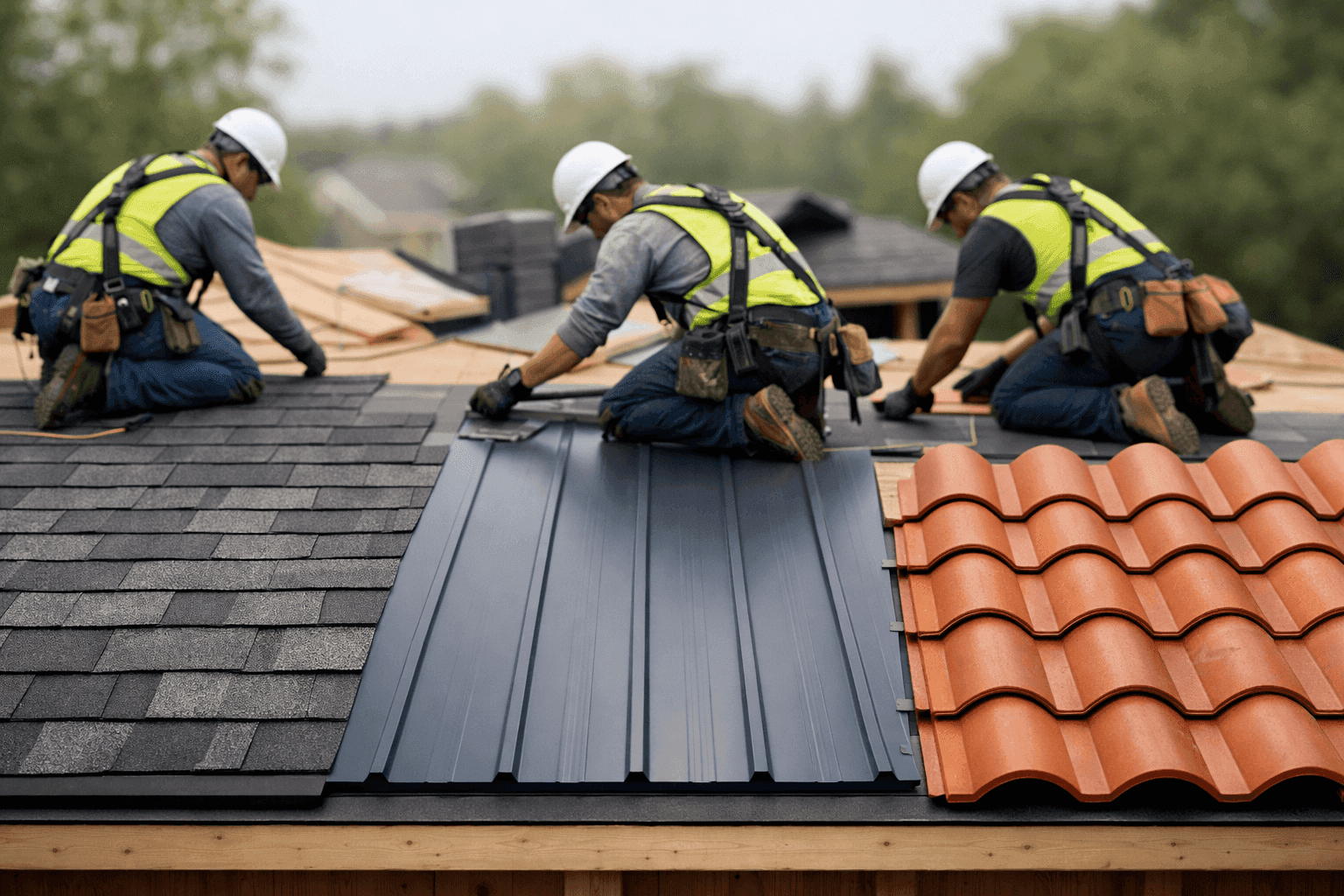
Is your roof trying to tell you something? It creaks, leaks, or maybe the shingles are curling up like autumn leaves. At Robert Foley Roofing, we understand that replacing a roof is a big decision—one that can feel overwhelming. But with the right knowledge, you can tackle this project with clarity and confidence.
Whether you’re a homeowner watching storm clouds gather or a business owner eyeing a growing patch of water stains, knowing when (and how) to replace your roof saves money, stress, and bigger headaches down the road.
Signs Your Roof Needs Replacing 🏚️
Sometimes, your roof whispers. Other times, it shouts. Here are the warning signs that shouldn’t be ignored:
- Missing or Damaged Shingles: Notice bald spots or cracks? Shingles protect the underlayers. Missing ones leave your home exposed.
- Curled or Buckled Shingles: Shingles that curl at the edges or buckle in the middle have lost their grip on life.
- Granules in Gutters: Asphalt shingles shed granules as they age. Finding them in your gutters means the top protective layer is wearing away.
- Sagging Roof Deck: Like a hammock in the wind, a sagging roof deck signals underlying structural trouble.
- Persistent Leaks or Water Stains: Recurring leaks, especially after heavy rain, are a clear sign that patching isn’t enough.
- Moss or Algae Growth: Moss traps moisture, leading to rot. While it looks quaint on an old cottage, it’s bad news for modern homes.
- Light in the Attic: If daylight peeks through, so will rain and critters.
If you’re noticing these issues, a roof inspection by a qualified roofing professional is the safest first step.
Material Options: Shingle, Metal, Tile, and More
Choosing a roofing material is like picking out a suit of armor. Each option offers different strengths, looks, and lifespans. Here’s how they stack up:
Asphalt Shingles
- Popularity: The go-to for many homes, asphalt shingles are budget-friendly and easy to install.
- Lifespan: 15–30 years.
- Maintenance: Low, but susceptible to wind or hail damage.
Metal Roofing
- Durability: Can last 40–70 years. Metal bounces hail and shrugs off fire.
- Efficiency: Reflects heat, potentially lowering cooling costs.
- Noise: Can be louder in rain but often insulated to minimize sound.
Tile Roofing
- Aesthetic: Adds old-world charm, especially clay or concrete tiles.
- Longevity: 50–100 years when properly maintained.
- Weight: Heavy—your home’s structure must be able to support it.
Flat Roofs & Commercial Options
- Materials: Modified bitumen, TPO, or EPDM are common for flat roofs and commercial spaces.
- Maintenance: Requires regular checks for pooling water and membrane punctures.
Eco-Friendly Options
- Green Roofs: Plants on the roof for insulation and stormwater control.
- Cool Roofs: Special coatings reflect more sunlight, reducing heat absorption.
Specialty: Slate, Wood, and Composite
- Slate: Exceptionally long-lasting; heavy and expensive but beautiful.
- Wood Shakes: Rustic look, decent insulation, but higher maintenance.
- Composite: Mimics other materials; lighter weight with a variety of styles.
Every property is unique. Consider your climate, budget, and architectural style when weighing your choices.
Cost Breakdown and Influencing Factors 💸
Roof replacement costs can feel like a puzzle with too many pieces. Here’s how to piece it together:
What Impacts the Price?
- Material Choice: Asphalt is affordable. Metal, tile, or slate cost more upfront but last longer.
- Roof Size and Pitch: A steep or large roof needs more materials and labor.
- Tear-Off vs. Overlay: Removing old roofing before installing new costs more, but it’s often required for warranty and safety.
- Structural Repairs: Hidden damage (like rotten decking) increases costs.
- Local Codes and Permits: Building code compliance and permits add to the bill but ensure safety.
Typical Cost Ranges
- Residential: $7,000–$18,000 for most asphalt shingle roofs.
- Metal: $12,000–$25,000 and up, depending on complexity.
- Tile or Slate: $15,000–$40,000 due to weight and specialized installation.
- Commercial/Flat Roofs: $6–$12 per square foot, varying by system and insulation needs.
Tip: Always ask what’s included in the estimate—some quotes leave out essentials like old roof removal or permit fees.
Timeline: What to Expect During Replacement
A roof replacement isn’t an overnight fix. Timing depends on the weather, crew size, and project complexity, but here’s a typical journey:
The Usual Steps
- Initial Inspection: A pro walks your roof to assess its condition and scope the job.
- Estimate & Scheduling: You receive a detailed cost breakdown and timeline.
- Material Selection: Choose your preferred roofing material and color.
- Site Preparation: Crews protect landscaping and set up safety gear.
- Tear-Off Old Roof: Old shingles and underlayments are removed.
- Decking & Structural Repairs: Damaged wood is replaced.
- Installation: Underlayment, flashing, and new roofing materials are installed.
- Cleanup & Final Inspection: Debris is removed and every detail checked.
How Long Does It Take?
- Average Home: 1–3 days for asphalt, 3–7 days for tile or metal.
- Commercial or Complex Roofs: Up to 2–3 weeks, especially if structural repairs are needed.
Weather delays can happen, so build in a little flexibility. The result? A sturdy, safe roof that stands the test of time.
When It’s an Emergency: Fast Action Matters
Sometimes, you can’t wait. Major leaks, storm damage, or collapsing sections demand immediate attention.
- Safety First: Keep people and valuables clear of the affected area.
- Temporary Fixes: Tarps or sealants may buy time, but they’re no substitute for professional repairs.
- Documentation: Photos help with insurance claims.
Robert Foley Roofing offers rapid response for urgent issues, including storm damage restoration and emergency services. If you’re searching for reliable local support, availability extends to homeowners and businesses in the Rocklin area and nearby communities.
Prevention & Maintenance: Make Your Roof Last Longer 🛡️
A new roof is an investment. Protect it with these habits:
- Regular Inspections: Schedule annual checks (especially after storms).
- Gutter Cleaning: Clogged gutters cause water to back up and damage the roof edge.
- Trim Overhanging Branches: Keep debris off your roof and prevent animal access.
- Check Flashing and Sealants: Address cracked or missing pieces promptly.
The National Roofing Contractors Association (NRCA) recommends professional inspections every spring and fall.
DIY vs. Professional Replacement
Some home projects are perfect for a weekend warrior. Roof replacement usually isn’t one of them.
- Safety Risks: Falls are a leading cause of construction injuries.
- Skill & Tools: Installing a roof takes experience, not just enthusiasm.
- Warranties: Many manufacturers require pro installation for warranty coverage.
A DIY patch job might tide things over, but a professional crew delivers results that last and meet building code.
Choosing the Right Contractor
Picking a roofing contractor is like choosing a new teammate for your home or business. Here’s how to find the right fit:
- Licensing & Insurance: Verify credentials and insurance to protect your property and workers.
- References & Reviews: Ask for recent project photos and speak with past clients.
- Detailed Estimates: Avoid vague quotes. Clear breakdowns prevent surprises.
- Local Knowledge: Contractors familiar with local codes and weather challenges are a huge asset.
- Communication: You want a team that keeps you updated—no disappearing acts.
Looking for a partner to guide you through the process? Roof replacement services from Robert Foley Roofing are tailored for both residential and commercial properties, with a focus on quality, durability, and honest advice.
Commercial vs. Residential Roof Replacement
Business or home, the basics are the same—but commercial projects often involve:
- Flat Roofs or Low-Slope Systems: Different materials and drainage solutions.
- Larger Scale: More square footage, more complexity.
- Access & Disruption: Work must often be timed around business hours.
Robert Foley Roofing offers solutions for both, with minimal interruption to your daily life or business operations.
Frequently Asked Questions
How often should I replace my roof?
Most roofs last 20–30 years, but regular inspections are key to catching issues early.
Can I install new shingles over the old ones?
Sometimes, but it’s not always advised. Removing the old roof ensures problems aren’t hidden and warranties remain valid.
What about ventilation and insulation?
Proper attic ventilation and insulation extend your roof’s life and improve energy efficiency.
How do I prep for replacement day?
Clear your driveway, move valuables from attic spaces, and alert neighbors to the upcoming work.
Common Mistakes to Avoid 🚫
- Delaying Repairs: Small problems grow into costly damage if ignored.
- Choosing the Cheapest Bid: Quality materials and skilled labor pay off in the long run.
- Ignoring Local Codes: Permits and inspections aren’t just paperwork—they’re about safety.
Seasonal Considerations
Spring and fall are ideal for roof work—temperatures are moderate and rain is less likely. Summer heat can soften materials, while winter brings weather delays.
Need flexible scheduling? Robert Foley Roofing can accommodate most timelines, working safely year-round.
Final Thoughts: Your Roof, Your Sanctuary
A roof does more than keep out the rain. It shields your family, your business, and your peace of mind. With the right information and the right team, roof replacement becomes a manageable, even rewarding, project.
Questions? Ready to start? Call Robert Foley Roofing now — or reach us anytime at 844-684-1881 .