Commercial Flat Roofs: Materials, Maintenance, and Repair Guide
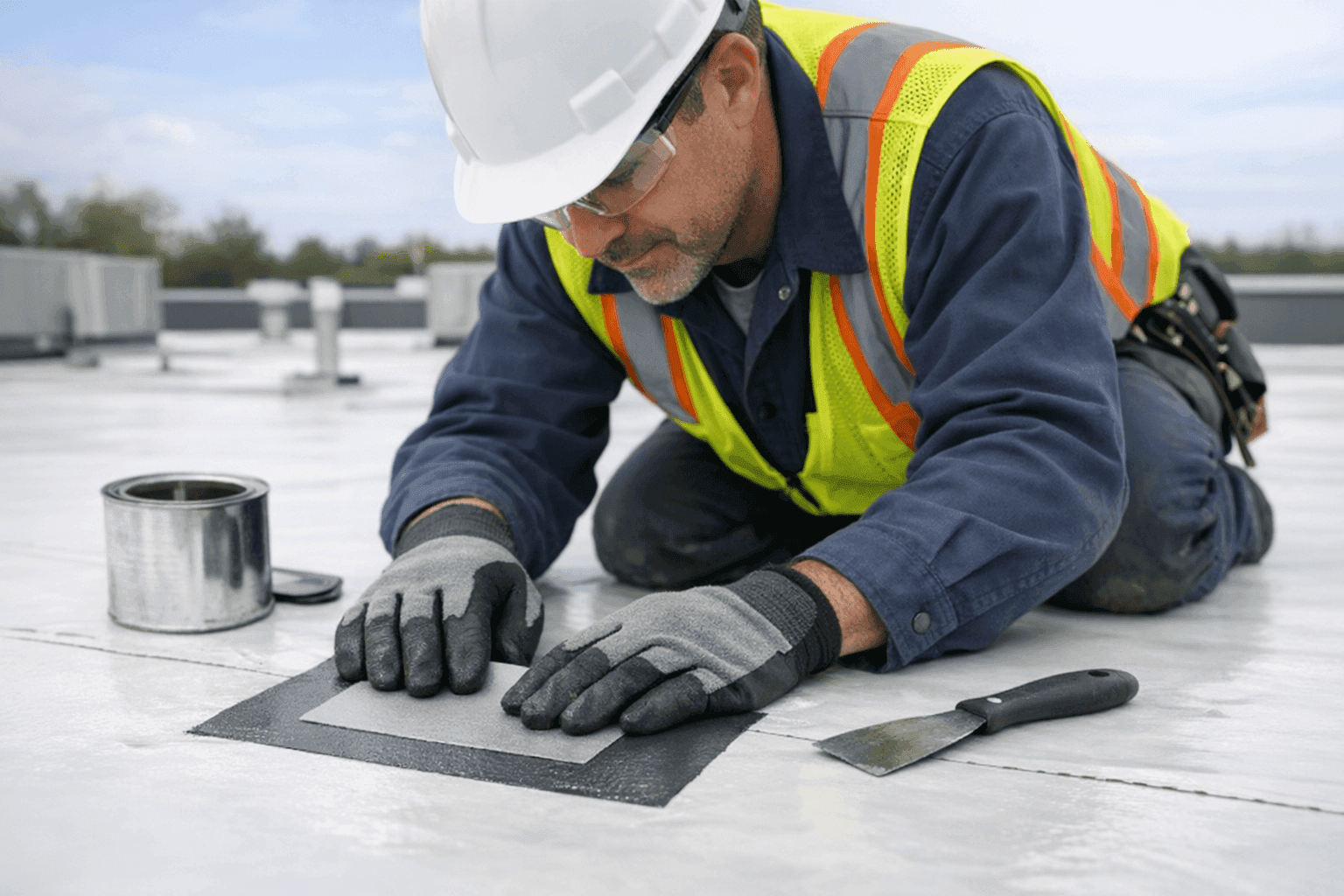
Flat roofs are the unsung heroes of commercial buildings. They shelter equipment, protect inventory, and keep your business running smoothly—until a leak or ponding water throws a wrench in your plans. Whether you manage a warehouse, retail space, or office complex, understanding your flat roof’s needs can save you headaches and unexpected expenses.
At Robert Foley Roofing, we’ve seen firsthand how proactive care makes all the difference. Let’s break down your options, maintenance routines, and what to watch for—so you can keep your building secure and your business moving forward.
Popular Flat Roof Materials for Businesses 🏢
Choosing the right material for a commercial flat roof is like picking the best armor for your building. Each has strengths—and a few quirks.
Built-Up Roofing (BUR)
- What it is: Layers of asphalt and felt, finished with gravel.
- Pros: Time-tested, solid protection, good fire resistance.
- Cons: Heavy (may need structural reinforcement), longer install time.
Modified Bitumen
- What it is: Asphalt-based sheets reinforced with fiberglass or polyester.
- Pros: Flexible, resists cracking, easy repairs.
- Cons: Seams can be vulnerable if not installed properly.
EPDM (Rubber Membrane)
- What it is: Single-ply synthetic rubber.
- Pros: Lightweight, easy to install, excellent UV resistance.
- Cons: Can puncture if walked on with sharp objects.
TPO & PVC Membranes
- What they are: Thermoplastic sheets, heat-welded at seams.
- Pros: Reflect sunlight (energy efficient), resists algae and chemicals.
- Cons: Quality varies; installation expertise matters.
Spray Polyurethane Foam (SPF)
- What it is: Liquid foam sprayed and expanded into a solid layer.
- Pros: Seamless, strong insulation, conforms to any shape.
- Cons: Needs skilled application, can be sensitive to UV without coatings.
Not sure what’s overhead? Our flat roof services can help you identify and assess your current system.
Maintenance Best Practices
A flat roof isn’t “set it and forget it.” Like a car, it needs regular checkups to avoid breakdowns.
Inspect Twice a Year
Walk your roof in spring and fall. Look for:
- Standing water (ponding)
- Cracks or blisters in the membrane
- Loose flashing or seams
- Debris blocking drains and gutters
Keep It Clean
Leaves, trash, and branches can block drainage and speed up deterioration. Clear them away regularly.
Address Minor Issues Early
Spot a small crack or blister? Don’t wait. Early repairs are faster and cheaper than fixing major leaks.
Maintain Gutters and Downspouts
Clogged gutters are a flat roof’s worst enemy. Water backs up, seeps under the membrane, and causes rot. Schedule routine gutter cleaning and downspout checks.
Use Proper Sealants and Coatings
Modern sealants add waterproofing muscle and extend roof life. Ask about eco-friendly options for added peace of mind.
Common Flat Roof Repairs 🛠️
Even with great care, flat roofs sometimes need a little TLC. Here’s what property managers run into most:
Leak Patching
Water stains on the ceiling? The culprit is often a small puncture or seam failure. Quick patching keeps the problem from spreading.
Ponding Water Solutions
If puddles linger more than 48 hours after a storm, drainage needs attention. Sometimes it’s as simple as clearing a blocked scupper. Other times, the roof may need re-sloping.
Flashing Repairs
Flashing is the metal or membrane that seals roof edges, vents, and skylights. When it lifts or cracks, leaks follow. Timely repairs prevent moisture from sneaking in.
Membrane Blistering
Heat and moisture can cause the roof membrane to bubble up. Small blisters might be harmless, but large or open ones should be fixed before they split.
When to Replace a Flat Roof
Roofs don’t last forever. Here’s when a new roof is likely the smarter move:
- Age: Most flat roofs last 15–25 years, depending on material and care.
- Frequent leaks: If repairs are piling up, replacement may be more cost-effective.
- Widespread damage: Large areas of ponding, cracks, or missing sections signal deeper issues.
- Energy bills climbing: Old roofs lose insulation power, costing you more to heat and cool your space.
Thinking about a new system? Modern flat roofing solutions can improve durability, energy efficiency, and even boost property value.
Quick Safety Checklist for Roof Access
Before anyone steps onto a flat roof, safety comes first:
- Use a stable, properly secured ladder.
- Never walk on icy or wet surfaces.
- Wear non-slip shoes and a safety harness if near edges.
- Keep an eye out for skylights—they can be fragile.
- Know your local OSHA requirements for rooftop work.
DIY vs. Call a Pro
Some tasks—like clearing debris—are safe for building staff. But when it comes to leaks, flashing, or membrane repairs, it’s best to call professionals. Improper fixes can void warranties or cause bigger headaches down the road.
What to Expect When Pros Arrive
When you schedule a professional inspection or repair, here’s what usually happens:
- Visual inspection of the entire roof surface, drains, and penetrations
- Moisture testing to spot hidden leaks
- Detailed report with photos and recommended next steps
- Clear estimate for any needed repairs
Licensed contractors follow building codes and safety guidelines, ensuring your roof stays compliant and covered.
Prevention & Maintenance Tips
- Trim trees back from the roof to prevent branch damage.
- Install walkway pads if there’s frequent foot traffic.
- Schedule annual professional inspections—especially after severe storms.
- Consider reflective coatings to reduce heat and extend membrane life.
Costs & Time Factors
Flat roof repairs can range from a quick patch to a full replacement. Factors that affect cost and timing:
- Roof size and accessibility
- Material type and availability
- Weather conditions
- Scope of damage
A small leak might be fixed in an afternoon, while major restoration could take several days. Always ask for a detailed timeline upfront.
When It’s an Emergency
A sudden leak during a storm can shut down operations fast. In these moments, quick action is key. Place buckets under drips, move equipment, and call for help immediately.
If you’re searching for Greensboro roofing services during an emergency, Robert Foley Roofing is here to respond with urgency and care. Greensboro roofing services are available for local businesses needing immediate attention.
Seasonal Considerations
- Spring: Check for winter damage and clear debris.
- Summer: Inspect for UV cracks and blistering.
- Fall: Remove leaves and prep for colder weather.
- Winter: Watch for ice dams and clear snow if needed.
Routine checks each season can prevent small issues from becoming big disruptions.
Common Mistakes to Avoid
- Ignoring minor leaks—they rarely fix themselves.
- Walking on the roof with sharp tools or high heels.
- Delaying gutter cleaning until water backs up inside.
- Using the wrong sealants or incompatible materials.
Signs of Trouble
Don’t ignore these red flags:
- Water stains on ceilings or walls
- Musty odors (a sign of trapped moisture)
- Sagging or soft spots on the roof
- Unexplained spikes in energy bills
Spot these signs? It’s time for a closer look.
Preparing for Service
Clear access points, alert staff about scheduled work, and secure any rooftop equipment. This helps technicians work efficiently and keeps everyone safe.
FAQ: Flat Roofs for Business Owners
How long does a flat roof last?
With proper maintenance, 15–25 years is typical.
Do I need to replace my whole roof if there’s a leak?
Not always—many leaks are isolated and repairable.
Are flat roofs more prone to leaks?
They can be, but good design and regular care minimize risk.
Can I install solar panels on a flat roof?
Yes, but the roof must be structurally sound and properly waterproofed.
Final Thoughts
Caring for your commercial flat roof is an investment in your business’s future. With the right materials, regular maintenance, and timely repairs, you can avoid costly surprises and keep your property protected for years to come.
Call Robert Foley Roofing now — or reach us anytime at 844-684-1881 .