Commercial Roofing: Unique Challenges and Solutions
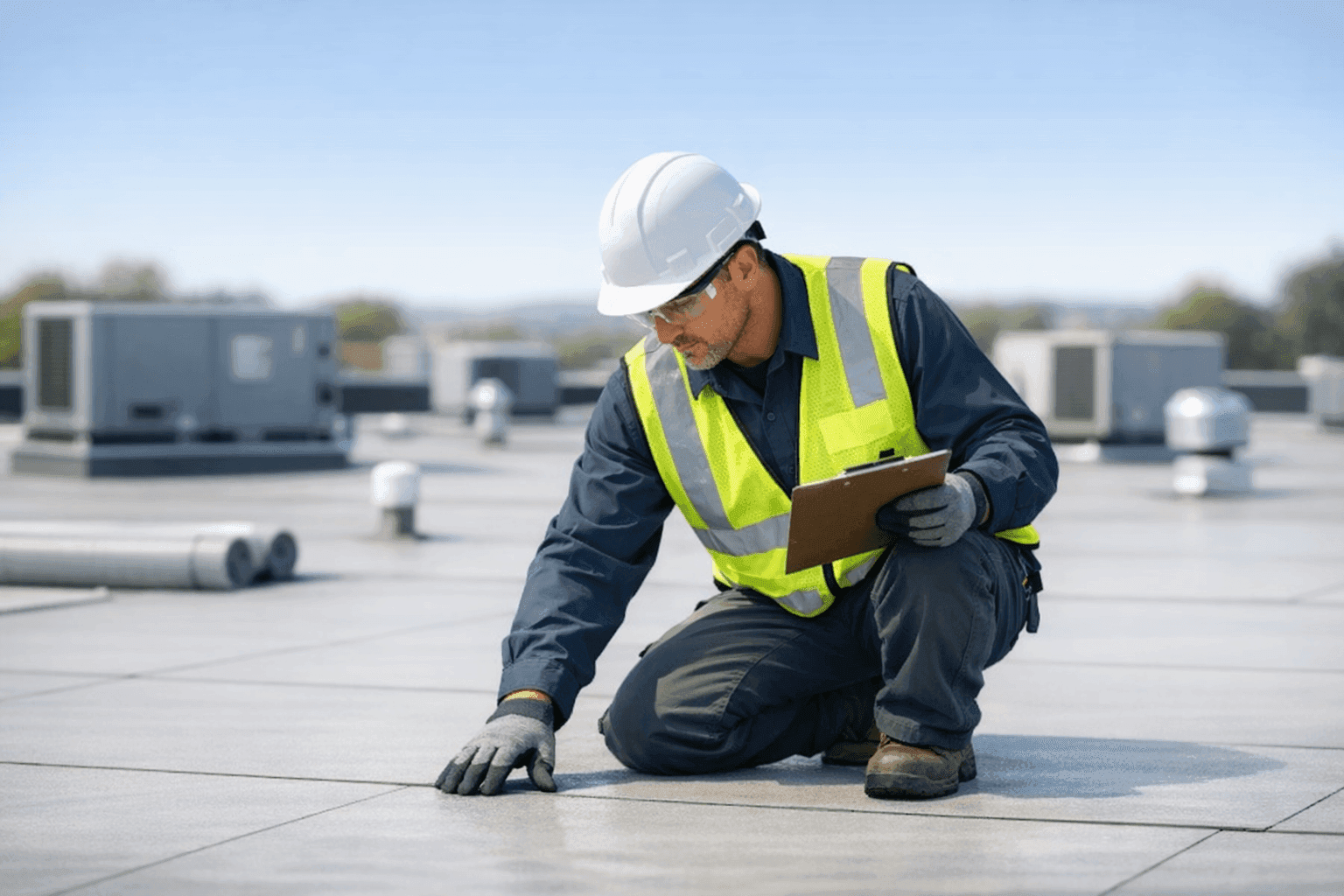
When you look up at a commercial building, you might see a wide, flat surface stretching out like a parking lot on the sky. It seems simple. But beneath that calm exterior, commercial roofing is a world of unique challenges—often more complex than the pitched roofs you find on homes.
At Robert Foley Roofing, we know just how much rides on a solid roof. A leaking office can mean lost business, damaged equipment, and safety risks. That’s why understanding these differences matters—whether you manage a warehouse, a retail space, or a multi-story office.
Commercial vs. Residential Roofing: What Sets Them Apart?
Picture a shingle roof on a cozy house. Now, imagine the sprawling, flat surface of a shopping center. The differences go far beyond appearance:
- Slope: Most commercial roofs are flat or low-sloped, while homes usually have steep, pitched roofs.
- Materials: Commercial roofs often use membranes like TPO, EPDM, or modified bitumen. Residential roofs lean toward asphalt shingles, tiles, or metal.
- Size & Complexity: Commercial roofs are bigger, with more penetrations (think skylights, HVAC units, vents) and require different drainage strategies.
- Building Codes: Codes for commercial roofing are stricter, with detailed requirements for fire resistance, insulation, and load-bearing capacity. The National Roofing Contractors Association (NRCA) and International Building Code (IBC) set the standards.
Flat Roofs: The Unique Risks
Flat roofs might look straightforward, but they bring a special set of headaches:
- Ponding Water: Water that doesn’t drain can collect in shallow pools, leading to leaks, algae, and structural stress.
- Membrane Failure: The waterproof layer (membrane) is the shield. If it cracks or lifts, water can sneak in.
- Thermal Movement: Big temperature swings cause expansion and contraction, stressing seams and flashing.
- Foot Traffic: Maintenance crews and equipment can scuff or puncture the surface.
Common Commercial Roofing Problems
Some problems show up over and over again, no matter the building:
- Leaks around Penetrations: Vents, pipes, and skylights are common weak points.
- Blistering or Bubbling: Air or moisture trapped under the membrane causes bumps.
- Damaged Flashing: Metal edges that seal roof joints can come loose or corrode.
- Clogged Drains and Gutters: Water backup leads to ponding and eventual leaks.
Safety First: A Quick Checklist 🦺
Working on a commercial roof isn’t just about tools and materials. Safety is paramount. Here’s a quick checklist:
- Fall Protection: Harnesses, guardrails, and warning lines are a must.
- Weather Awareness: Wet or icy surfaces are a serious hazard.
- Electrical Hazards: Watch for overhead lines and rooftop equipment.
- Material Handling: Heavy rolls of membrane or buckets of sealant can cause injuries if not handled right.
Always follow OSHA guidelines and ensure your contractor does the same.
DIY vs. Call a Pro: Where to Draw the Line
It’s tempting to tackle small issues yourself—maybe clear a drain or patch a minor tear. But commercial roofs aren’t the place for guesswork:
- DIY: Cleaning debris, checking for obvious damage, or unclogging gutters.
- Call a Pro: Anything involving the membrane, flashing, structural repairs, or persistent leaks.
A misstep on a flat roof can lead to costly water damage or even void your warranty.
What Happens When Pros Arrive
When you call in commercial roofing services, here’s what you can expect:
- Inspection: A thorough walk-through, checking for weak spots, drainage issues, and membrane condition.
- Diagnosis: Using moisture meters, infrared scans, or core samples to find hidden trouble.
- Action Plan: Clear recommendations—repair, restore, or replace—based on building codes and your budget.
- Documentation: Photos, reports, and a maintenance log for your records.
Maintenance Strategies for Longevity
Think of commercial roof maintenance like changing the oil in your car: regular care prevents big breakdowns.
- Scheduled Inspections: Twice a year, and after major storms.
- Debris Removal: Leaves, branches, and trash can block drains.
- Check Seams and Flashing: Look for cracks, gaps, or lifted edges.
- Monitor Roof Traffic: Limit unnecessary trips and use walk pads where possible.
- Keep Records: Log all repairs, inspections, and weather events.
The NRCA recommends keeping a detailed maintenance file for every roof.
When It’s an Emergency
Sometimes, trouble strikes fast: a sudden leak during a storm, or wind ripping up a section of membrane. In these moments, quick action matters.
- Contain the Leak: Place buckets or tarps inside to protect equipment.
- Stay Off the Roof: It may be slippery or unsafe.
- Call for Help: Emergency roofing services can stabilize the situation and prevent further damage.
If you’re looking for reliable roofing services in Conroe, our team is ready to respond swiftly and safely.
Seasonal Considerations: Weather’s Impact on Commercial Roofs
Each season brings its own challenges:
- Spring: Heavy rains test drains and seams.
- Summer: UV rays bake the membrane, causing cracks.
- Autumn: Falling leaves clog gutters and drains.
- Winter: Freeze-thaw cycles can split seams; snow adds weight.
Schedule inspections before and after harsh weather for peace of mind.
Codes, Permits, and Compliance
Commercial projects must meet strict codes—no shortcuts allowed. Inspections often cover:
- Fire Ratings: Materials must resist fire spread.
- Insulation: Proper R-value for energy efficiency.
- Wind Uplift: Secure attachment to withstand storms.
- Drainage: Slope and scupper placement per code.
Always verify your contractor pulls the correct permits and follows the International Building Code (IBC).
Materials Matter: Choosing the Right System
Not all commercial roofs are created equal. Common options include:
- TPO (Thermoplastic Polyolefin): White, reflective, energy-saving.
- EPDM (Ethylene Propylene Diene Monomer): Black rubber, durable, flexible.
- Modified Bitumen: Asphalt-based, layered for strength.
- Metal Roofing: Long-lasting, low-maintenance, but higher upfront cost.
The right choice depends on your building’s needs, climate, and budget.
Signs of Trouble: What to Watch For 👀
Early detection can save you thousands. Watch for:
- Stains on Ceilings or Walls: Hidden leaks at work.
- Unusual Odors: Mold or mildew from trapped moisture.
- Sagging or Soft Spots: Water damage weakening the structure.
- Visible Damage: Cracks, bubbles, or ponding water.
If you spot these warning signs, schedule a professional inspection.
Common Mistakes That Cost Big
Avoid these pitfalls:
- Skipping Regular Inspections: Small issues become big repairs.
- Ignoring Drainage: Blocked drains are a recipe for leaks.
- Improper Repairs: Quick patches can make things worse.
- Delaying Repairs: Water damage spreads fast and quietly.
A little vigilance goes a long way.
Timeline & Disruption: What to Expect During Service
Commercial roof work can be disruptive, but good planning keeps things running smoothly:
- Communication: A clear schedule and updates from your contractor.
- Safety Zones: Marked-off areas to keep employees and customers safe.
- Noise & Odors: Some disruption is unavoidable, but most work can be scheduled after hours or on weekends.
- Cleanup: Expect a tidy site at the end of each day.
Prevention: The Smartest Investment
The best fix is the one you never need. Invest in:
- Preventative Maintenance Programs: Scheduled care tailored to your roof’s age and type.
- Quality Materials: Don’t cut corners on what keeps your business dry.
- Professional Installation: Skilled hands make all the difference.
A well-maintained roof is a silent partner in your business’s success.
Frequently Asked Questions
How often should a commercial roof be inspected?
Twice a year—spring and fall—and after severe weather.
What’s the typical lifespan of a commercial roof?
With proper care, 15–30 years depending on the material.
Can leaks be fixed without replacing the whole roof?
Often, yes. Timely repairs can extend a roof’s life.
What documentation should I keep?
Inspection reports, repair logs, warranty info, and photos.
Professional Support When You Need It
Commercial roofing isn’t just about covering a building—it’s about protecting your business, employees, and reputation. From commercial roofing services to preventative maintenance, Robert Foley Roofing brings years of experience and a commitment to safety on every job.
If you need reliable help, our roofing services in Conroe are just a call away—local support when it matters most.
Call Robert Foley Roofing now — or reach us anytime at 844-684-1881 .