Downspout Repair and Installation: Protecting Your Foundation
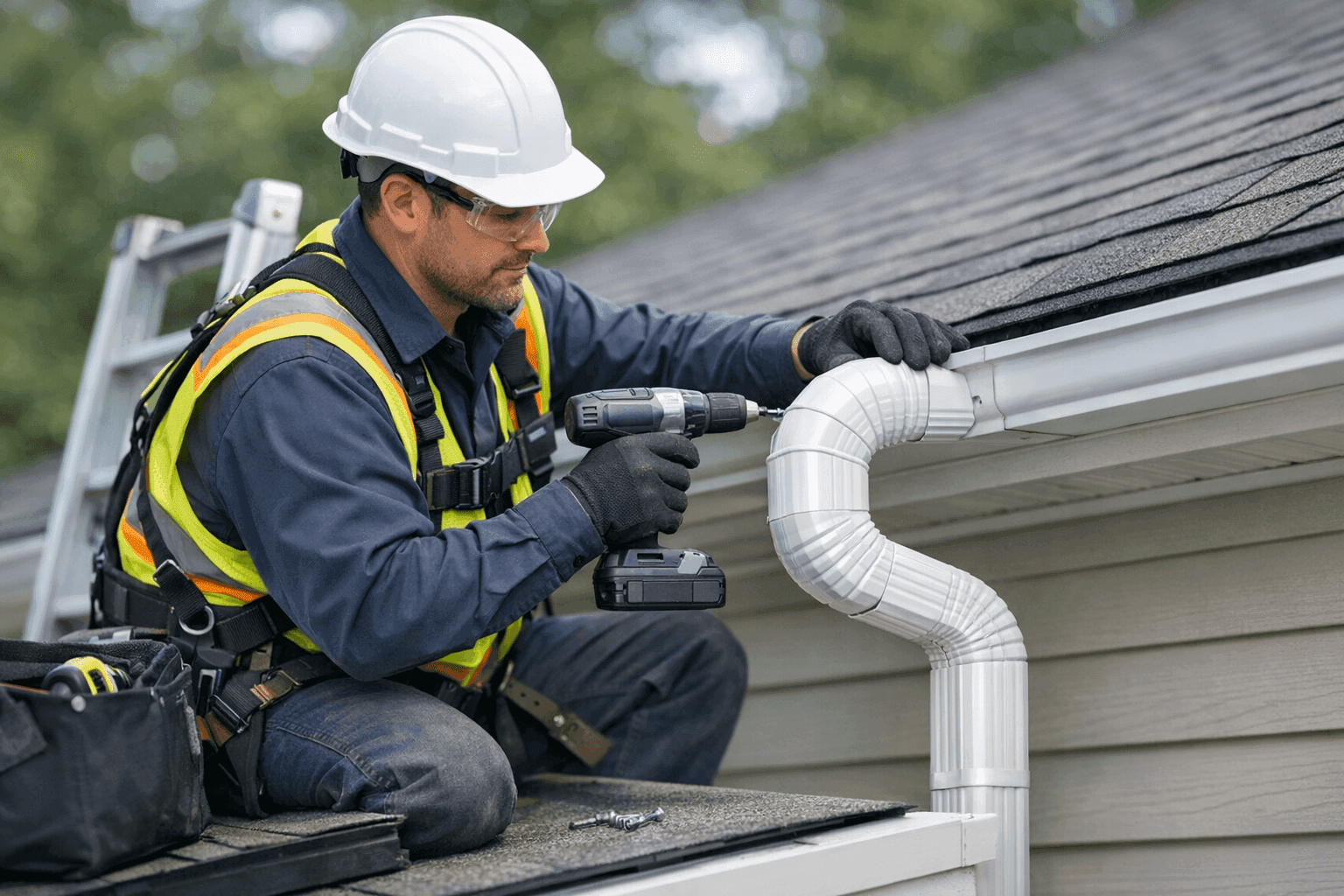
When a storm hits or the seasons change, most people look up—at their roofing, their gutters, their skylights. But what about looking down? Downspouts are the quiet heroes, guiding water away before it can claw at your foundation. If they fail, you might not notice until puddles appear in the basement, bricks crack, or landscaping turns swampy overnight.
At Robert Foley Roofing, we know that healthy downspouts mean a healthy building—residential or commercial. Let’s break down why these simple pipes matter and what you can do to keep them working their best.
Why Downspouts Matter 🌧️
Think of your downspouts as your property’s rain boots. Just as boots keep your feet dry, downspouts channel water safely away from your building’s most vulnerable spots. Without them, water pools at the base and seeps into the soil. Over time, this erodes foundations, causes basement leaks, and can even warp walkways or driveways.
The right downspout system doesn’t just handle a drizzle. It’s built to move gallons of water, fast, during the worst storms. According to the International Association of Certified Home Inspectors (InterNACHI), improper drainage is a leading cause of structural foundation damage.
How to Spot Downspout Problems
Don’t wait for disaster. Here’s what to look for:
- Water spilling over gutters even when they’re clean—this means the downspout might be blocked.
- Rust, holes, or seams pulling apart on the downspout itself.
- Erosion or trenches forming in the soil near your foundation.
- Paint peeling or masonry discoloration along exterior walls.
- Water stains or dampness in your basement or crawlspace.
Sometimes you’ll hear a mysterious drip or see algae growing near the base. That’s the building sending you a warning.
Quick Safety Checklist
Before touching any downspout, do a quick check:
- Is there active water flow? Wait until the rain stops.
- Are your gutters secure? Loose gutters can cause downspouts to detach.
- Wear gloves—sharp edges and debris can cause injuries.
- Use a sturdy ladder if needed (never overreach).
If you see electrical wires or extensive mold, call a professional right away.
Repair and Installation Steps
The Basic Fix
Minor clogs or loose joints? You might be able to handle it yourself.
- Remove the bottom elbow and clear out leaves or debris.
- Flush the downspout with a garden hose.
- Reattach using screws, not nails, for longer-lasting stability.
- Check for leaks—apply roofing sealant if you spot any.
Upgrading or Installing New Downspouts
If your downspouts are too small or damaged beyond repair, it’s time for a replacement. Installing new downspouts is more than just snapping on a pipe:
- Measure the length from gutter to ground, ensuring a clean slope.
- Choose materials (aluminum, steel, or eco-friendly options) that match your climate and roofing.
- Secure with brackets every 6-8 feet for stability.
- Make sure the outlet directs water at least 6 feet from the foundation.
For complex layouts—multi-story homes, commercial buildings, unique roof lines—professional downspout installation is the safest and most effective choice.
When It’s an Emergency
Heavy storms can rip downspouts off in minutes. If water suddenly gushes where it shouldn’t, act fast:
- Move valuables away from basement walls.
- Use temporary splash blocks or extensions to guide water away.
- Call for emergency service. For those in the area, support is also available through our team in Freeport.
Never ignore sudden water pooling—it can undermine your foundation before you know it.
Preventing Foundation Damage
Your foundation is only as strong as your drainage. Here’s how to keep it safe:
- Inspect downspouts each season, especially after storms.
- Clean gutters and check fastenings every spring and fall.
- Extend downspouts well beyond planting beds or walkways.
- Consider installing gutter guards to minimize debris.
The Federal Emergency Management Agency (FEMA) recommends all downspouts discharge water at least 6 feet from the building. Anything less is like inviting water inside.
DIY vs. Call a Pro
Simple clogs and loose joints? Many property owners can handle those with basic tools. But if you notice these issues, it’s time to call in help:
- Persistent leaks at joints or seams.
- Downspouts pulling away from the wall.
- Excessive rust or holes.
- Water damage spreading indoors.
Remember, climbing ladders and working near electrical lines can be risky. When in doubt, reach out for downspout repair from those who know roofing inside and out.
What Pros Do on Arrival
When a professional arrives, expect a thorough assessment:
- Inspection of gutters, downspouts, and foundation.
- Testing for blockages and leaks.
- Recommendations for replacement if the system is undersized or outdated.
- Use of high-quality sealants and proper fasteners, following roofing safety standards.
You’ll get peace of mind knowing every section is secure, sized right, and built to handle the next downpour.
Costs & Time Factors
Downspout repairs are usually quick—often completed in an afternoon. Full replacement or installation may take a day, depending on building size and accessibility.
Cost depends on:
- Material choice (aluminum, steel, copper, or eco-friendly).
- Length, diameter, and number of downspouts.
- Complexity (multi-story, commercial, or unique roof angles).
Preventative maintenance almost always costs less than repairing foundation damage later.
Seasonal Considerations
Spring brings heavy rain and falling twigs that clog gutters. Summer storms can overwhelm old downspouts. Winter ice can crack pipes or pull them loose. Inspect at the start of each season, and after any big weather event.
Common Mistakes to Avoid
- Using downspouts that are too short or small for your roof size.
- Forgetting to slope the extension away from the foundation.
- Relying on nails instead of screws—nails loosen over time.
- Ignoring minor leaks or blockages until they become big problems.
Materials & Equipment
Today’s downspouts come in many materials:
- Aluminum: Lightweight, rust-resistant, and popular for most homes.
- Steel: Stronger, better for commercial or high-impact areas.
- Copper: Long-lasting and beautiful, but pricier.
- Vinyl: Budget-friendly, but less durable in harsh climates.
Choose brackets, elbows, and extensions that match your pipes. Always use weather-resistant sealant.
Timeline & Disruption
Most repairs take just a few hours. Full replacements or new installations may take a bit longer, especially for larger buildings or complex roof lines. Expect some noise and movement around landscaping, but little indoor disruption.
Timeline for Maintenance
- Inspect every spring and fall.
- Clean as needed, especially after big storms or heavy leaf fall.
- Address issues right away—waiting leads to bigger headaches.
FAQ: Downspout Edition
Q: How often should downspouts be replaced?
A: With good care, downspouts can last 20+ years. Replace if you see rust, holes, or repeated leaks.
Q: Can I add extensions myself?
A: Yes, but measure carefully and make sure water flows away at least 6 feet from your home or business.
Q: Are eco-friendly options available?
A: Absolutely. Many building codes now support recycled metals and sustainable materials for roofing and drainage.
Final Thought: Protect More Than Your Roof
Downspouts may seem like background players, but they’re vital for protecting everything under your roof. Regular checks, sound repairs, and professional installation mean fewer surprises and a safer foundation.
Call Robert Foley Roofing now — or reach us anytime at 844-684-1881 .