Eco-Friendly Roofing: Sustainable Materials and Upgrades
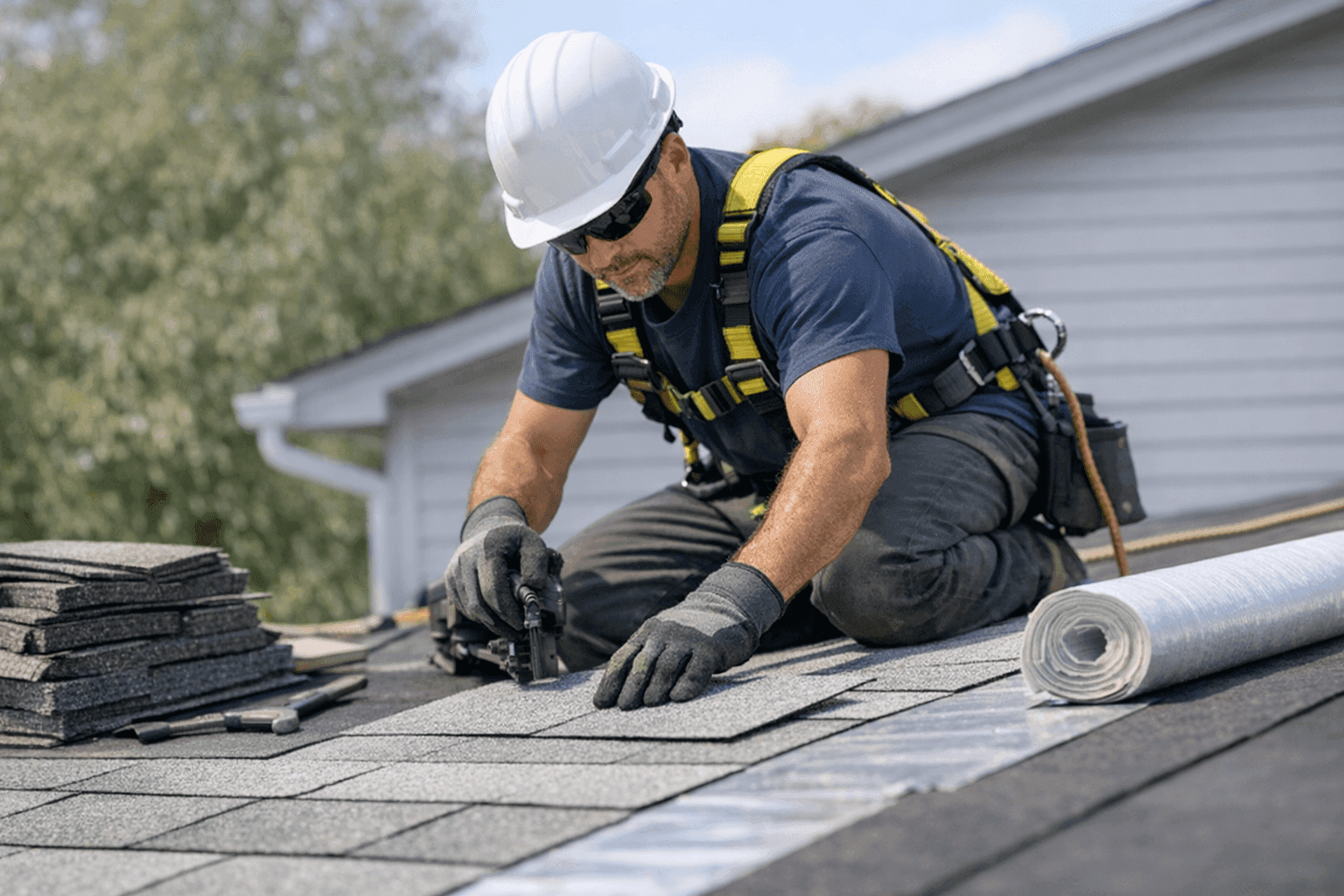
When it comes to protecting your home or business, the roof is the shield that stands between you and the elements. But what if your roof could do more than just keep the rain out? What if it could help the planet, lower your bills, and add lasting value—all at once?
At Robert Foley Roofing, we know that every roofing decision ripples outwards. Eco-friendly choices aren’t just a trend—they’re a smart investment in your property and the world around you.
Why Choose Eco-Friendly Roofing? 🌱
Think of your roof as the hat your building wears—one that can either trap heat, waste energy, and fill landfills when replaced, or one that breathes, insulates, and lasts. Eco-friendly roofing is about making that hat smarter.
- Lower energy bills: Sustainable roofs reflect sunlight or improve insulation, reducing heating and cooling costs.
- Healthier spaces: Some green roofs filter air and even support plant life, improving air quality.
- Long-term value: Eco-conscious materials often last longer, meaning fewer repairs and replacements.
- Environmental responsibility: Using recycled or renewable materials means less waste and a smaller carbon footprint.
Choosing sustainability isn’t just about “going green”—it’s about building a future where your roof gives back.
Sustainable Materials and Their Benefits
The materials you choose are the backbone of any eco-friendly roofing project. Let’s break down the best options—and why they matter.
Recycled Shingles
Made from reclaimed rubber, plastic, or wood fiber, recycled shingles keep waste out of landfills. They’re tough and can mimic the look of slate or wood, but with a lighter footprint.
Metal Roofing
Metal roofs last decades and are often made from recycled steel or aluminum. They reflect sunlight, resist fire, and can be recycled again at the end of their life. It’s the roofing equivalent of a well-made suit—timeless, efficient, and always in style.
Cool Roofs
Coated with special reflective materials, cool roofs bounce sunlight away, keeping interiors cooler. According to the U.S. Department of Energy, cool roofs can lower roof surface temperatures by up to 50°F.
Green Roofs
Picture a rooftop garden: soil, plants, and even wildflowers. Green roofs insulate, manage stormwater, and offer a habitat for pollinators. While not for every building, they’re a powerful statement of sustainability.
Clay and Concrete Tiles
These natural materials are durable, fire-resistant, and recyclable. Their thermal mass helps regulate indoor temperatures, making them popular in hot climates.
For a deeper dive into eco-friendly roofing options, explore the full range of sustainable materials available today.
Energy Efficiency Upgrades
A green roof is more than just the shingles you see. It’s a system that works together to keep you comfortable and efficient.
Insulation and Ventilation
Good insulation is like a cozy blanket for your home or business. It keeps warm air in during winter and out during summer. Combine that with proper ventilation—think of it as your roof’s ability to “breathe”—and you’ll prevent moisture buildup, mold, and wasted energy.
Solar Reflective Coatings
These coatings turn any roof into a “cool roof,” reflecting sunlight and reducing heat absorption. It’s a simple upgrade that can pay off quickly, especially on flat or low-slope roofs.
Skylights and Daylighting
Natural light is a free resource. Modern skylights are energy-efficient and can cut down on your need for artificial lighting. Plus, they make any space feel brighter and more inviting.
Smart Gutters and Drainage
Efficient gutters don’t just protect your foundation—they also manage stormwater runoff, reducing erosion and supporting rainwater harvesting systems.
Cost and ROI of Green Roofing
Let’s talk numbers. Eco-friendly roofing often costs more upfront. But like planting a tree, the payoff grows over time.
- Lower utility bills: Reflective roofs and insulation can cut energy costs by 10–30% (EPA estimates).
- Longer lifespans: Durable materials like metal or tile last 40–70 years, meaning fewer replacements.
- Insurance savings: Some insurers offer discounts for fire-resistant or impact-resistant roofs.
- Increased property value: Green upgrades can boost curb appeal and resale value.
The return on investment isn’t just financial—it’s comfort, peace of mind, and a lighter environmental footprint.
Quick Safety Checklist for Eco Roofing Projects
Safety is always step one. Here’s what to keep in mind before starting any sustainable roofing upgrade:
- Check local codes: Building codes may specify materials or installation methods for eco-friendly roofs.
- Work with certified pros: Look for contractors familiar with green materials and energy-efficient systems.
- Plan for weight: Green roofs and tile roofs can be heavy. Make sure your structure can support the load.
- Weather-proofing: Proper flashing, sealants, and drainage are non-negotiable for long-term performance.
The Occupational Safety and Health Administration (OSHA) provides guidelines for safe roofing practices—always worth reviewing before any project.
DIY vs. Call a Pro
Some upgrades, like installing solar reflective coatings or swapping out insulation, might seem simple. But roofing is a balancing act—literally and figuratively. One wrong step can lead to leaks, damage, or personal injury.
Professional roofers bring experience, safety equipment, and a deep understanding of how every layer works together. For major projects—especially those involving structural changes, heavy materials, or green roof systems—calling a pro is the wise choice.
What Pros Do On Arrival
When a professional arrives, here’s what you can expect:
- Thorough inspection: Assessing the current roof’s condition, looking for leaks, weak spots, or outdated materials.
- Material recommendations: Suggesting sustainable options suited to your climate, building type, and budget.
- Energy analysis: Identifying areas for insulation, ventilation, or daylighting improvements.
- Clear timeline: Outlining steps, expected disruptions, and safety measures.
If you’re considering roof replacement services, a pro will walk you through every stage—from material selection to final inspection.
Prevention & Maintenance
Eco-friendly roofs need regular care to stay efficient and beautiful.
- Clean gutters and downspouts: Prevent water damage and support rainwater harvesting.
- Inspect for damage: After storms, look for loose shingles, cracked tiles, or punctures in membranes.
- Trim overhanging branches: Reduce debris and minimize shade on solar panels or green roofs.
- Schedule annual inspections: Professional check-ups catch small issues before they grow.
When It’s an Emergency: Local Support Matters
Storms don’t wait for a convenient time. Neither do leaks or sudden damage. That’s why it matters to have reliable Hoover roofing services available when you need them—ready to handle emergencies with the right materials and expertise.
Seasonal Considerations
Every season brings its own roofing challenges:
- Spring: Inspect for winter damage, clear debris, and check for leaks.
- Summer: High heat tests your roof’s reflectivity and ventilation.
- Fall: Clean gutters before the rains; check insulation ahead of cooler weather.
- Winter: Watch for ice dams and ensure attic ventilation prevents condensation.
Timing upgrades or repairs for milder weather can minimize disruption and maximize efficiency.
Common Mistakes to Avoid
- Choosing the wrong material: Not all eco-friendly options suit every climate or roof pitch.
- Ignoring underlayment: Skimping on insulation or waterproofing undermines the benefits of green materials.
- DIY shortcuts: Improper installation can void warranties and lead to costly repairs.
- Neglecting maintenance: Even the best roof needs regular attention.
Signs It’s Time for an Upgrade
- Rising energy bills without a clear cause
- Frequent leaks or repairs
- Visible wear: cracked, curling, or missing shingles
- Moss or algae growth (can signal trapped moisture)
- Outdated materials that don’t meet current codes
If you notice these signs, it might be time to explore eco-conscious roofing choices.
Timeline & Disruption: What to Expect
Upgrading to a sustainable roof doesn’t happen overnight. Here’s a rough outline:
- Inspection & planning: 1–2 days
- Material delivery & prep: 1–3 days
- Installation: 2–7 days, depending on roof size and complexity
- Cleanup & final inspection: 1 day
Professional crews aim to minimize noise, debris, and downtime—so you can get back to normal life, fast.
Materials & Equipment: What Goes Into a Green Roof
- Recycled or renewable shingles, metal, tiles, or membranes
- High-performance insulation
- Solar reflective coatings
- Proper ventilation systems
- Quality sealants and flashing
Each layer works together, like the gears in a well-oiled machine.
FAQ: Eco-Friendly Roofing
Q: Are eco-friendly roofs more expensive?
A: Upfront, yes—but the long-term savings on energy and maintenance often outweigh the initial investment.
Q: Can I install a green roof on any building?
A: Most, but structural support and local codes must be considered.
Q: Do eco-friendly roofs require special maintenance?
A: Routine care—like cleaning gutters and checking for damage—is key, but not complicated.
Q: Will a sustainable roof look good?
A: Absolutely! Today’s materials come in a wide range of colors and styles to suit any architecture.
Ready to make your roof part of the solution? Whether you’re interested in greener materials, energy upgrades, or a full roof transformation, Robert Foley Roofing is here to help.
Call Robert Foley Roofing now — or reach us anytime at 844-684-1881 .