Emergency Roof Repair: What to Do Before Help Arrives
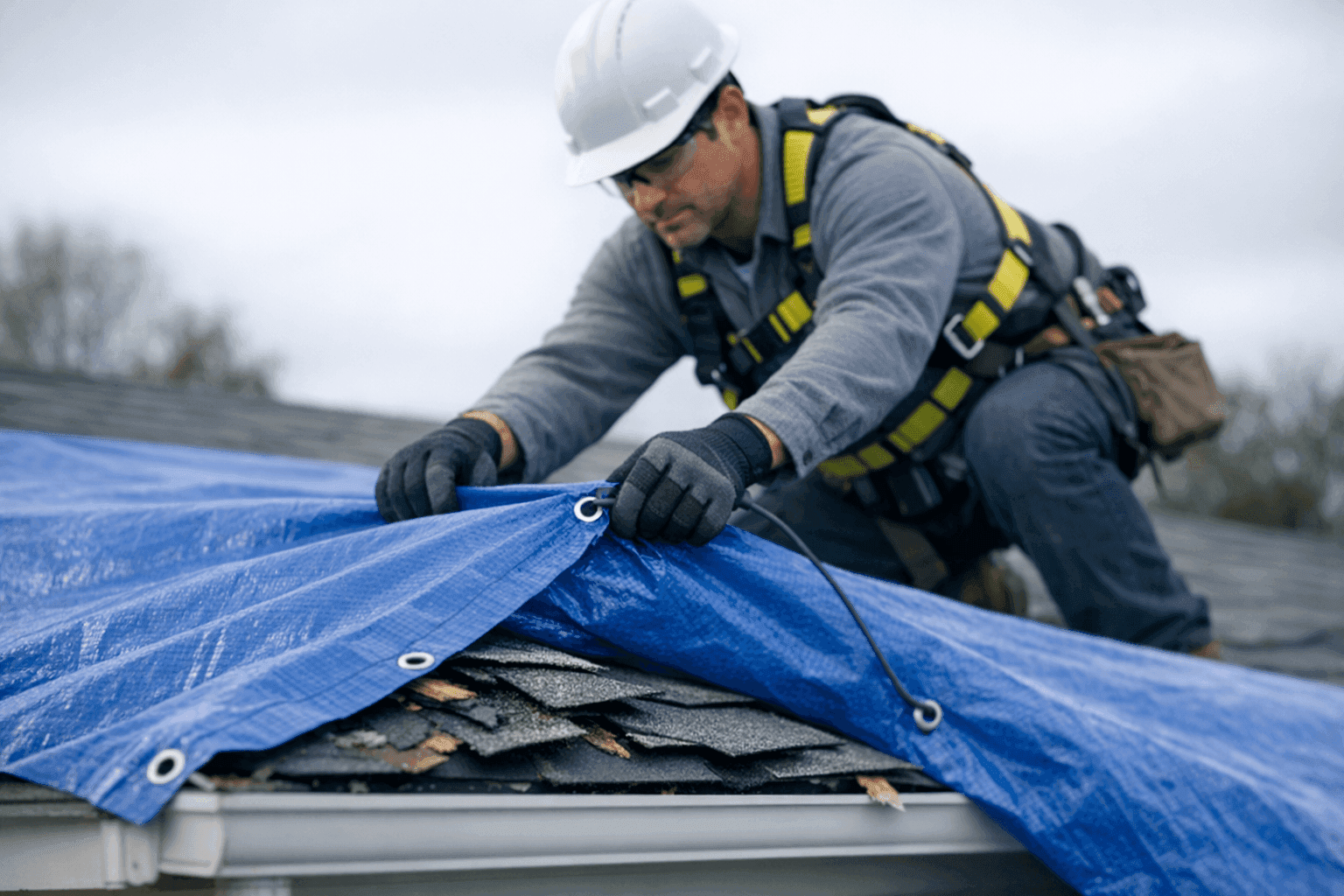
When a sudden leak or storm-damaged roof shatters your peace, every minute counts. Rainwater is finding new paths—down your walls, across the floor, soaking into insulation. Panic is easy. But you can stay ahead of bigger trouble.
At Robert Foley Roofing, we know how roof emergencies feel—urgent, overwhelming, and unpredictable. Whether you’re guarding family memories or protecting your business, the right steps before help arrives can make all the difference.
Immediate Steps in a Roof Emergency 🌧️
A roof emergency rarely knocks politely. It barges in—often with wind, water, and a sense of chaos. Your actions in the first 30 minutes matter.
- Stay calm. Take a breath. Quick action is good, but safe action is better.
- Assess the danger. Is water pouring in, or is it a slow drip? Has a tree branch punched through? Listen for unusual sounds, like creaking that could signal structural stress.
- Protect what you can. Move valuables, electronics, and furniture away from leaks. Place buckets or pans to catch water.
- Document the damage. Take photos or short videos. Insurance companies appreciate clear records, and they’ll help your roofing team understand the scope.
Safety First: What Not to Do
When the sky is falling—literally or figuratively—it’s tempting to channel your inner handyman. But roofs are slippery, unstable, and sometimes electrified by downed lines.
- Never climb onto a wet, icy, or storm-battered roof. Falls are a leading cause of injury.
- Don’t touch sagging ceilings; waterlogged drywall can collapse without warning.
- Avoid electrical hazards. If water is near outlets or wiring, shut off the power at the breaker box.
- Skip the DIY patchwork if there’s lightning, high wind, or visible structural damage. Wait for conditions to improve.
The National Roofing Contractors Association (NRCA) advises leaving major temporary repairs to professionals whenever possible.
Temporary Fixes You Can Make
Sometimes waiting is not an option. If it’s safe indoors and rain is coming in, here’s what you can do while keeping both feet on the ground:
- Contain the water. Place towels, buckets, or plastic bins beneath leaks.
- Poke a small hole in a bulging ceiling. This controlled release prevents an uncontrolled collapse.
- Lay a tarp inside under the leaky area to keep flooring dry.
- If you can reach the attic safely: Lay down plastic sheeting or a tarp over the leak’s source. Secure with boards or heavy objects, not nails or screws.
Remember, these are temporary solutions—like using an umbrella with a few holes patched. It buys time but doesn’t solve the real issue.
When It’s an Emergency (and When It’s Not)
A missing shingle after a gentle rain? That’s a concern but not a four-alarm fire. On the other hand, a sudden, steady leak—especially during a storm—qualifies as an emergency.
Emergency situations:
- Water actively entering living spaces
- Multiple leaks after hail or wind
- Tree limbs or debris through the roof
- Sagging roof deck or ceiling
- Visible daylight through roof structure
For urgent repairs that simply can’t wait, our emergency roofing team is ready 24/7.
The Quick Safety Checklist
Before you do anything else, run through this mental litmus test:
- Is there immediate danger to people or pets?
- Is the electrical system compromised?
- Are you able to safely remain in the building?
- Can you safely contain water or move valuables?
- Do you have contact information ready for licensed roofing support?
If any answer makes you hesitate, step back and call for help.
What Pros Do When They Arrive
Professional roofers walk into chaos with a practiced eye. Here’s what to expect:
- Rapid assessment: Pros check for unseen risks—structural shifts, hidden leaks, compromised decking.
- Temporary weatherproofing: Tarps and sealants are used to stem the flow until permanent repairs are possible.
- Documentation: Photos, notes, and measurements for insurance and repair planning.
- Safety protocols: Following OSHA and local code guidelines for ladders, harnesses, and protective gear.
DIY Roof Fixes: When Are They Safe?
Some tasks are safe for homeowners—others are not. If the leak is minor, and weather is calm, you might:
- Attach a tarp over a small, accessible section (from a ladder, not the roof surface).
- Replace a loose shingle if you have the right tools and experience.
But remember: even “easy” repairs can go wrong fast. Roofing is a high-risk task. When in doubt, wait for help.
Common Mistakes Homeowners Make
Urgency breeds mistakes. Here are pitfalls to avoid:
- Using duct tape or plastic wrap as a long-term fix
- Climbing onto the roof during wind, rain, or at night
- Ignoring small leaks (today’s drip is tomorrow’s flood)
- Forgetting to call the insurance company
- Attempting electrical work near water damage
Preparing for the Pros
You’ve done what you can. Now, help is on the way. Speed up repairs and reduce costs by:
- Clearing the driveway and walkways for vehicle access
- Moving breakables or valuables from work areas
- Having your insurance information and documentation handy
- Making a list of what you observed—timing, changes, noises
Storm Damage: What to Watch For
After a major storm, roof problems aren’t always obvious. Look for:
- Shingles in the yard or garden beds
- Gutters hanging loose or dented
- Water stains on ceilings or walls
- Debris (branches, leaves) trapped on the roof
- Unusual sounds—creaks, pops, or drips
If you spot any of these, it’s time to connect with a storm damage specialist. Our storm damage restoration service handles these issues year-round.
Timeline and Disruption: What to Expect
Emergency repairs are rarely neat. Expect:
- Initial stabilizing (1–3 hours)
- Insurance adjuster visits (may be next day)
- Scheduling permanent repairs (1–2 days to several weeks, depending on severity and demand)
- Possible noise, dust, and brief power interruptions
Roofing crews do their best to minimize your disruption, but some inconvenience is part of urgent repairs.
Seasonal Considerations: Storms, Ice, and Heat
Emergencies spike with the seasons:
- Spring and summer: Thunderstorms, hail, falling branches
- Autumn: Clogged gutters, heavy rains
- Winter: Ice dams, snow loads, freeze-thaw cycles
Seasonal maintenance—like regular gutter cleaning and attic insulation checks—can prevent many crises before they start. If you’re in the Pacific Northwest, our Portland area support ensures help is never far away, even during peak storm season.
Insurance and Documentation: Your Safety Net
Don’t wait to call your insurance agent. Most policies cover sudden, accidental damage. Provide:
- Photos and videos of the damage (before cleanup)
- Dates and times of events
- Temporary repair receipts
Keep copies for your records. Insurance adjusters appreciate organized, clear accounts.
Materials and Tools: What to Keep On Hand
A simple “roof emergency kit” can be a lifesaver. Stock:
- Heavy-duty tarp (10x12 feet or larger)
- Utility knife
- Flashlight and extra batteries
- Duct tape (for temporary interior use)
- Work gloves
- Buckets or plastic bins
- First-aid kit
Store these somewhere dry and easy to reach.
Roof Emergencies in Newer Construction
Even new builds can suffer from hail, wind, or installation oversights. If you notice leaks or water stains in a recently built property, contact your builder—but don’t wait to get a pro’s assessment. Sometimes, warranty coverage applies, but urgent damage needs urgent solutions.
Preventing the Next Emergency
The best roof emergency is the one you never have. Consider:
- Twice-yearly inspections by a licensed roofer
- Seasonal gutter cleaning
- Prompt repairs of loose shingles, flashing, or seals
- Upgrades to impact-resistant shingles or metal roofing
- Adding attic insulation and ventilation to prevent ice dams
Regular maintenance beats scrambling in the dark at 2 AM.
FAQs: Emergency Roofing Edition
Do I need to evacuate during a roof emergency?
Only if there’s risk of ceiling collapse, electrical hazard, or widespread structural damage.
How much does emergency repair cost?
It varies by severity, materials, and time of day. Temporary fixes are usually less expensive than permanent repairs.
How quickly can a roofer arrive?
Response times depend on weather, demand, and location. During widespread storms, expect some delays.
What about decking near you or in my town?
Robert Foley Roofing handles both residential and commercial properties across the region.
When the sky opens up and your roof lets you down, every minute matters. Take smart, safe steps to protect your space, then let professionals do what they do best.
Call Robert Foley Roofing now — or reach us anytime at 844-684-1881 .