Fire-Resistant Roofing: Options and Best Practices
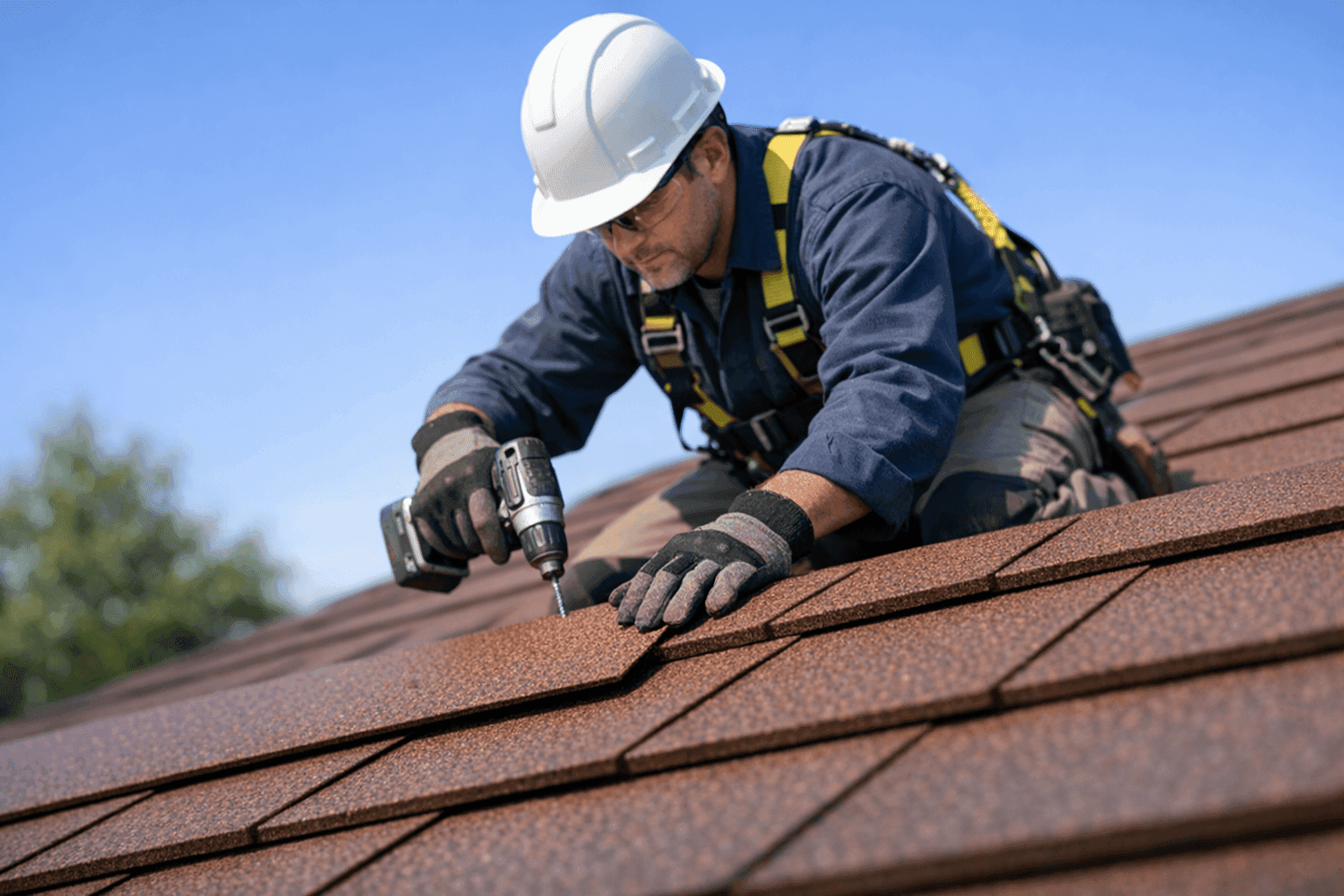
When wildfires rage or embers drift on a dry summer wind, your roof is the shield standing between your property and disaster. At Robert Foley Roofing, we know every homeowner and business wants peace of mind—especially when fire risk is on the rise. Fire-resistant roofing isn’t just a buzzword; it’s a real-world necessity that can save lives and livelihoods.
But with so many materials and ratings out there, how do you choose what truly protects? Let’s break down the options, the science, and the best ways to keep your roof—and everything beneath it—safer from fire.
Understanding Fire-Resistant Roofing Ratings
Think of fire ratings like a report card for your roof. The highest mark? Class A. This grade means a roofing material can withstand severe exposure to fire, according to ASTM E108 or UL 790 standards—two of the most trusted testing systems in North America.
- Class A: Maximum protection. Materials resist flame spread, don’t slip off, and help prevent embers from igniting the roof.
- Class B: Moderate protection. Better than nothing, but not the gold standard.
- Class C: Basic protection. Can slow fire spread, but not ideal where wildfire risk is high.
Always check your local building codes. Some areas require Class A for new construction or major renovations.
The Big Three: Class A Fire-Resistant Roofing Materials
Let’s put the spotlight on the top contenders for fire-resistant roofs: metal, clay tile, and specially treated shingles.
Metal Roofing: The Armor Plating of Roofs 🛡️
Metal doesn’t burn. It shrugs off embers like rain off a duck’s back. That’s why metal roofs are a favorite in wildfire-prone regions.
Pros:
- Non-combustible—won’t catch fire.
- Long-lasting, often 40–70 years.
- Reflects heat, which can help with energy bills.
- Lightweight—less stress on your structure.
Cons:
- Can be noisy in heavy rain without proper insulation.
- May dent from large hail.
- Sometimes higher upfront cost.
If you’re curious about metal roofing options, they’re not just for barns—modern styles fit homes and businesses alike.
Clay and Concrete Tile: Fire-Blocking Fortress
Tile roofs have stood guard over Mediterranean and Southwestern homes for centuries. Their secret? Stone and clay don’t burn.
Pros:
- Naturally fireproof.
- Durable—can last 50 years or more.
- Excellent at shedding water and resisting pests.
Cons:
- Heavy—may need extra structural support.
- Can crack under impact.
- Installation takes skill and time.
Treated Shingles: Wood’s Second Chance
Standard wood shingles are a fire risk. But with the right chemical treatments, they can earn a Class A rating.
Pros:
- Classic look—great for historic homes.
- Lighter than tile.
- Some eco-friendly options use sustainable wood.
Cons:
- Treatments can wear off—needs reapplication.
- Not all treated shingles achieve Class A status.
- Still more vulnerable than metal or tile.
Local Fire Code Considerations
Before you pick a material, check your local rules. Many areas—especially those near forests or grasslands—require Class A roofs for new builds or major repairs. The National Fire Protection Association (NFPA) and International Building Code (IBC) both set standards, but your local jurisdiction may go further.
If you’re navigating Washington fire codes, stay up to date on requirements for fire-resistant roofing in Washington and surrounding areas.
Best Practices for Fire-Resistant Roof Installation
A fire-resistant roof is more than just the surface. It’s a system, and every layer matters.
Underlayment: The Unsung Hero
Think of underlayment as the last line of defense. Non-combustible materials like fiberglass-reinforced felt or synthetic barriers can keep embers from sneaking in if the top layer is breached.
Flashings and Edges: Seal Every Crack
Gaps around chimneys, vents, and roof edges are fire’s favorite entry points. Use metal flashings and fire-rated sealants to close every seam.
Professional Installation Matters
Even the best materials can fail if installed poorly. Certified installers follow manufacturer specs and local codes, ensuring your roof performs when it matters most. Mistakes like leaving gaps, using the wrong fasteners, or skipping underlayment can turn a fire-resistant roof into a fire hazard.
Maintenance: Keeping Your Shield Strong
A fire-resistant roof isn’t set-and-forget. Like armor, it needs regular upkeep.
Clear Debris Regularly
Leaves, pine needles, and branches turn any roof into a tinderbox. Clean your roof and gutters at least twice a year—more often if you’re near trees.
Inspect After Storms
High winds can lift shingles or tiles, opening paths for embers. After every major storm, check for damage and repair promptly.
Reapply Treatments
If you have treated wood shingles, follow manufacturer guidance on retreatment. Don’t let time dull your roof’s defenses.
Common Mistakes That Undermine Fire Safety
- Ignoring the edges: Most roof fires start when embers catch in gutters or eaves.
- Using untreated wood: Even a small patch can ignite.
- Skipping regular cleaning: Debris buildup is a hidden risk.
- DIY shortcuts: Roofing is not the place to cut corners.
When It’s an Emergency: What to Do
If a wildfire is approaching or you smell smoke, safety comes first. Evacuate early if advised. Close all vents, windows, and doors. Move flammable items away from the house. Once the danger passes, have a professional assess your roof before returning to normal.
Local support is always available, and staying informed about Washington fire codes can help you prepare for emergencies.
Prevention & Seasonal Tips
- Spring: Inspect for winter damage; clear debris.
- Summer: Trim overhanging branches; check for loose tiles or shingles.
- Fall: Remove leaves; clean gutters.
- Winter: Watch for ice dams that can damage fire-resistant barriers.
Costs and Time Factors
Fire-resistant roofing is an investment. Metal and tile roofs cost more upfront than asphalt, but their longevity and safety can pay off over decades. Installation time varies: metal roofs can go up quickly, while tile takes longer due to weight and precision.
Signs Your Roof Needs Upgrading
- Curling, missing, or cracked shingles.
- Moss or algae growth (traps moisture and debris).
- Sagging or soft spots.
- Visible gaps at edges or around vents.
If you spot any of these, it’s time for a professional inspection.
DIY vs. Call a Pro
Some maintenance—like clearing debris—is safe for handy homeowners. But replacing materials, repairing flashings, or installing new fire-resistant roofs should always be handled by licensed professionals. Fire safety is too important for guesswork.
Frequently Asked Questions
Q: Can I add fire resistance to my existing roof?
A: In some cases, yes—adding fire-rated underlayment or coatings can help. But for maximum safety, a full upgrade to Class A materials is best.
Q: Are eco-friendly roofs fire-resistant?
A: Many eco-friendly options—like metal or clay tile—are naturally fireproof. Always check the product’s fire rating.
Q: How often should I have my roof inspected?
A: At least once a year, or after any major storm.
Building Codes and Professional Standards
Always follow the latest guidelines from the International Building Code (IBC), the National Fire Protection Association (NFPA), and your local building authority. These standards are there to keep your property and family safe.
Timeline and Disruption: What to Expect
Installing a new fire-resistant roof can take anywhere from a few days (metal) to over a week (tile), depending on size and complexity. Expect noise, dust, and some disruption—but the peace of mind is worth it.
When it comes to fire safety, your roof is your frontline. Choose the right materials, follow best practices, and keep up with maintenance. If you’re ready to upgrade or have questions, we’re here to help.
Call Robert Foley Roofing now — or reach us anytime at 844-684-1881 .