Gutter Installation: Choosing the Right System for Your Roof
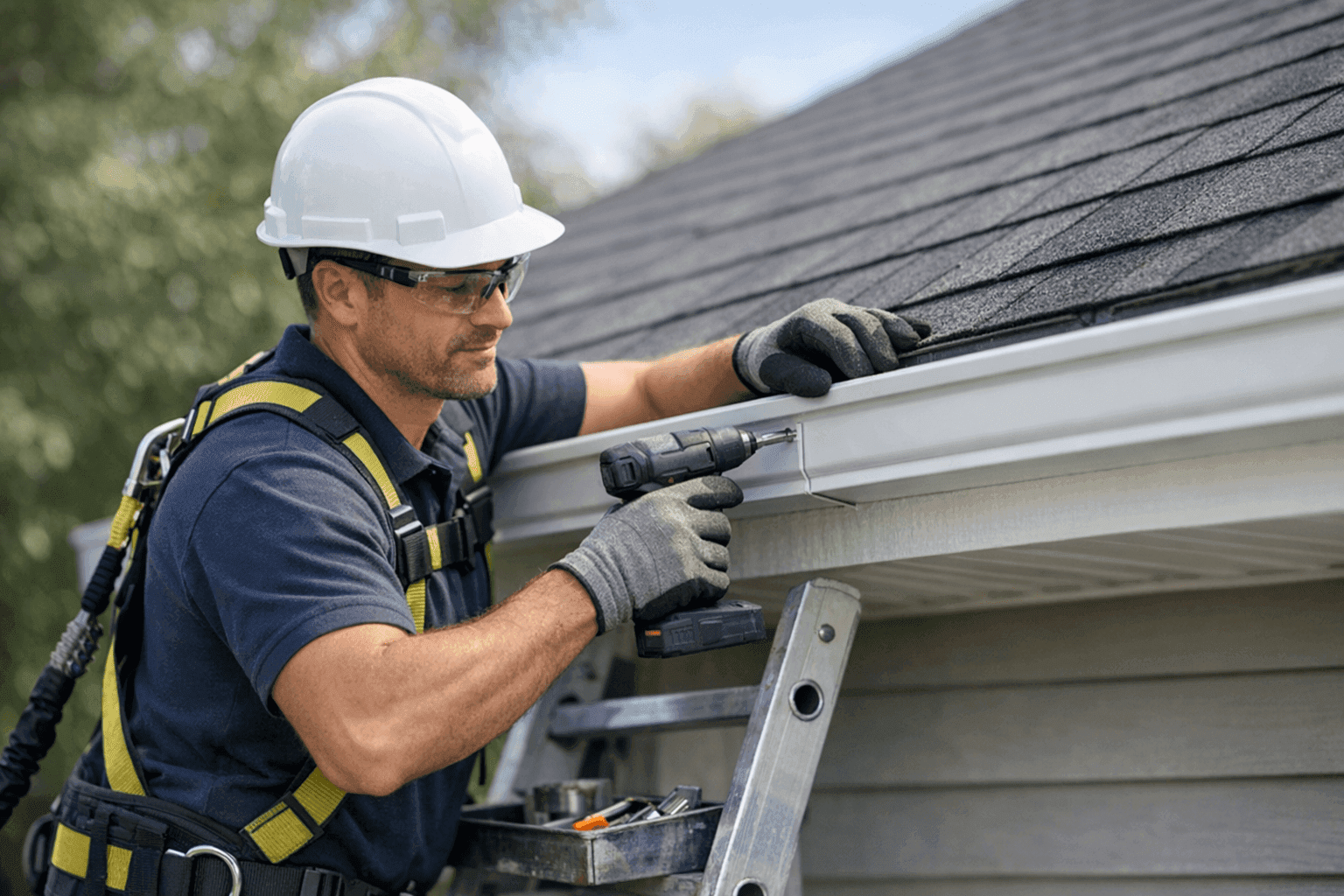
Rain, falling leaves, melting snow—your roof faces it all. But what happens when water has nowhere to go? Even the sturdiest roofs can be undone by poor water management. That’s where a well-chosen gutter system steps in, channeling trouble away from your home or building.
At Robert Foley Roofing, we’ve seen how the right gutters protect everything from foundation to flower beds. This guide helps you understand which gutter system fits your property, your climate, and your peace of mind.
Why Gutters Matter 🌧️
Think of gutters as the silent defenders of your property. Without them, rainwater streams off the roof, digging trenches around your foundation and staining siding. Over time, unchecked water leads to erosion, basement leaks, damaged decking near you, and even structural headaches.
Key reasons gutters are essential:
- Foundation protection: Directs water away, reducing soil erosion and basement flooding risk.
- Siding and paint preservation: Prevents dirty splashback and rot.
- Landscape defense: Stops mulch and flower beds from washing out.
- Roof health: Reduces leaks and shingle decay by managing runoff.
A solid gutter system is like a raincoat for your roof—simple, but vital.
Types of Gutter Systems
Not all gutters are created equal. The system you choose depends on your roof style, budget, and expectations.
Sectional Gutters
- Built from multiple pieces joined by connectors.
- Common in older homes and DIY projects.
- Pros: Affordable, easy to replace sections.
- Cons: More seams mean more chances for leaks.
Seamless Gutters
- Custom-fabricated on-site for a perfect fit.
- Fewer joints mean less chance of leaks.
- Pros: Low maintenance, clean look.
- Cons: Higher upfront cost, professional installation required.
Specialty Gutters
- Box gutters: Built into the roof's edge; often seen on historic or commercial buildings.
- Half-round gutters: Smooth, rounded style—classic look for traditional homes.
- Custom profiles: For unique architectural needs or heavy water flow.
Ask yourself: Does my property need a standard fix, or a specialty solution tailored to its quirks?
Choosing Materials and Sizing
Gutters come in more flavors than you might think. Choosing the right one means weighing durability, cost, and climate.
Common Gutter Materials
- Aluminum: Lightweight, rust-resistant, and budget-friendly. A popular all-rounder.
- Copper: Beautiful patina over time, very long-lasting. Higher investment.
- Steel: Strong but may rust without protective coatings.
- Vinyl: Lightweight and easy to install, but can crack in extreme cold.
For commercial roofing or high-traffic areas, steel or copper may offer the longevity you need. For budget-conscious residential roofing, aluminum remains king.
Sizing Matters
- 5-inch gutters: Standard for most homes.
- 6-inch gutters: Handle heavy rainfall or large roof areas.
- Downspouts: Bigger is often better—especially if you have lots of tree cover or steep slopes.
Sizing is not guesswork. It’s about matching your roof’s surface area and local rainfall data—something outlined in the International Residential Code (IRC) and manufacturer specs.
Installation Process and Best Practices 🛠️
Installing gutters isn’t just about slapping up some metal and calling it a day. It’s a process with key steps that affect both performance and longevity.
Safety First
- Always use sturdy ladders and gloves.
- Watch for power lines and slippery surfaces.
- If you’re unsure, call a professional—falls are a leading cause of home repair injuries.
Step-by-Step Overview
- Inspection: Check roof edges for rot or damage.
- Measurement: Accurate sizing for gutters and downspouts.
- Mounting brackets: Securely attached to fascia, spaced for strength.
- Slope: Gutters must tilt slightly (about 1/4 inch per 10 feet) towards downspouts.
- Joint sealing: Use quality sealants at seams and end caps.
- Downspout placement: Keep water at least 6 feet from the foundation.
A good install looks tidy, works quietly, and needs little babysitting. For more details on our process or to request a tailored fit, explore our gutter installation approach.
Gutter Maintenance: Keeping Your System Healthy
Gutters are not “set and forget.” Leaves, twigs, and grit pile up fast, especially in autumn or after storms. Clogged gutters can lead to overflows, ice dams, and even roof leaks.
Pro tips:
- Clean gutters twice a year, or more if you have overhanging trees.
- Inspect after major storms.
- Check for sagging, rust, or loose brackets.
Routine care saves money—and headaches—down the road.
Common Gutter Problems and How to Spot Them
Even the best gutters can run into trouble. Watch for these red flags:
- Water spilling over the sides (clogs or undersized gutters)
- Sagging or detached sections
- Staining or mildew on siding
- Soil erosion around the base
If you notice these, it’s time for a fix. Learn more about solutions for leaks, holes, and worn sections by visiting our gutter repair services.
When Is It Time for a Gutter Upgrade?
Sometimes repair isn’t enough. Consider a new system if:
- Gutters are rusted through or have major holes.
- Seams keep separating.
- There’s repeated overflow, even after cleaning.
- You’re planning a roof replacement or major exterior renovation.
A new gutter system delivers better performance and curb appeal.
DIY vs. Professional Gutter Installation
It’s tempting to tackle gutters on your own. But even seasoned DIYers can struggle with long runs, tricky slopes, or tall buildings.
DIY Pros:
- Lower cost up front
- Can be a weekend project for small homes
DIY Cons:
- Safety risks
- Potential installation errors
- No professional warranty
Pros bring specialized tools, experience, and the ability to spot hidden issues—especially on steep or multi-story roofs.
Preparing for Gutter Installation
A little prep goes a long way:
- Trim overhanging branches
- Move outdoor furniture away from the work zone
- Make sure pets and kids are inside
And don’t forget: let your installer know about any special landscaping or access issues.
How Climate Influences Gutter Choices 🌡️
Not all climates are created equal. Heavy rainfall? Go for larger gutters and downspouts. Freeze-thaw cycles? Metal beats vinyl for durability. Live near the coast? Salt air favors aluminum or copper.
If you’re in regions like South Fulton, robust gutters keep up with local weather swings. Gutter services in South Fulton are tailored to these conditions.
Preventing Gutter Emergencies
The best way to avoid costly water damage is prevention.
- Schedule regular inspections.
- Install gutter guards to block leaves.
- Repair minor leaks before they become major.
Emergencies rarely announce themselves. Stay ahead with smart maintenance.
Emergency Gutter Service: What to Expect
Storm damage, fallen branches, or sudden leaks? Emergency gutter service prioritizes:
- Quick assessment for safety
- Immediate debris removal
- Temporary sealing if needed
- Full repair or replacement as soon as possible
Our crews are trained to respond swiftly and safely, minimizing disruption.
Gutter Upgrades: When to Level Up
Asphalt shingle roofs, metal roofs, flat roofs—each has unique challenges. Upgrading to seamless gutters, adding more downspouts, or installing gutter guards can make a huge difference in performance.
Consider upgrades if you’re:
- Building new construction
- Switching to a heavy-duty roofing material
- Adding skylights or solar panels that alter how water flows
Future-proof your investment with the right enhancements.
Year-Round Gutter Care Calendar 📅
- Spring: Clean out winter debris and check for ice damage.
- Summer: Inspect during dry spells for pests or blockages.
- Fall: Remove leaves, check for loose brackets.
- Winter: Watch for ice dams and icicle buildup.
Set reminders—your gutters will thank you.
Frequently Asked Gutter Questions
Q: How long do gutters last?
A: Aluminum gutters can last up to 20 years, copper even longer with proper care.
Q: Are seamless gutters worth it?
A: For most homeowners and property managers, yes. Fewer seams means fewer leaks and less maintenance.
Q: How do I know what size gutters I need?
A: An installer will measure your roof’s surface and check local rainfall data for a perfect fit.
Q: Will new gutters match my home’s style?
A: Modern gutter systems come in many colors and profiles to blend with any architecture.
Conclusion: Protecting Your Roof, Protecting Your Property
The right gutter system shields your roof, foundation, and landscaping from the elements. Whether you need a quick repair or a full upgrade, choosing wisely today means fewer headaches tomorrow.
Ready for gutters that perform as good as they look?
Call Robert Foley Roofing now — or reach us anytime at 844-684-1881 .