Hiring a Roofer for Emergencies: What to Expect and How to Prepare
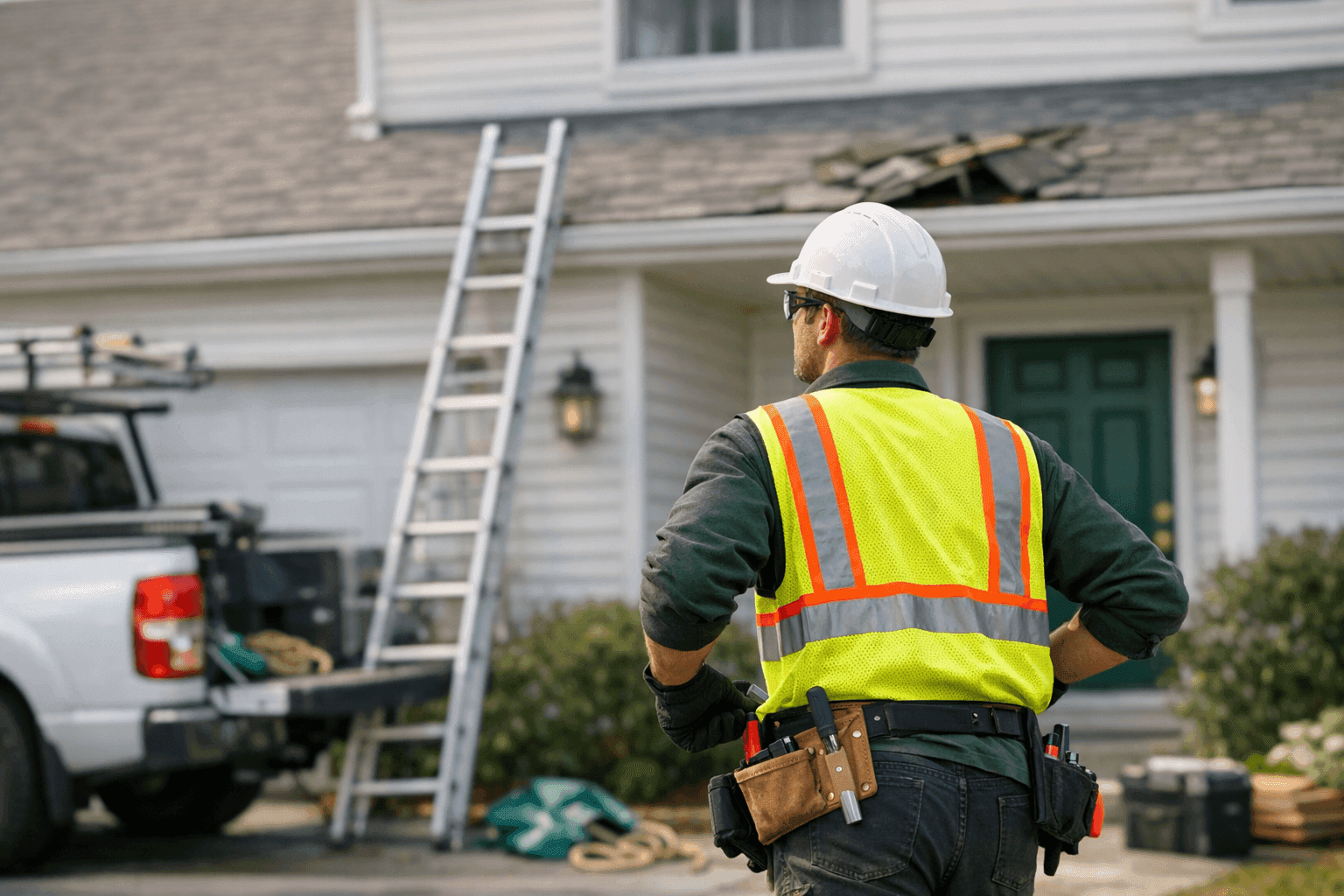
Emergencies don’t wait for a convenient time. A sudden leak, missing shingles, or storm damage can turn your day upside down in seconds. At Robert Foley Roofing, we know that when your roof is in trouble, you need answers—and action—fast.
But what should you expect when you call for urgent roofing help? How can you prepare, and what steps make a real difference in the outcome? Let’s walk through the process, so you’re ready when the unexpected strikes.
When You Need Emergency Roofing Help ⏰
Not every roofing problem is an emergency, but some issues demand immediate attention. Water pouring through your ceiling during a thunderstorm? That’s a five-alarm fire for your roof. Missing shingles after heavy winds, sagging decking, or visible holes—these are red flags.
Here are common scenarios that call for emergency roofing services:
- Water actively leaking into living spaces
- Large sections of missing or damaged shingles or tiles
- Structural damage after a fallen branch or severe storm
- Exposed underlayment or decking
- Persistent, unexplained moisture or mold inside
If you spot any of these, don’t wait. Quick action can prevent a small issue from ballooning into a major headache.
What to Ask When Hiring in a Crisis
Your roof is your first line of defense. When it’s compromised, you want help you can trust. But in an emergency, it’s easy to skip questions that matter. Here’s what to clarify—no matter how rushed things feel:
- Are you licensed and insured for roofing in my area? This protects your property and peace of mind.
- What’s your experience with urgent repairs and storm damage?
- How soon can you arrive, and what does your first visit include?
- What safety steps will your team take on-site?
- Can you provide a written estimate—even for temporary repairs?
- What materials will be used for emergency fixes?
A reputable company should provide clear answers. If anything feels vague, keep asking until you understand the plan.
How Emergency Repairs Differ from Routine Work
Think of emergency roofing like a triage room. The goal is to stop the bleeding—fast. Instead of a full roof replacement, you might get temporary patches, tarping, or quick shingle swaps to keep water out until a permanent fix is possible.
Here’s what sets emergency roof repairs apart:
- Speed over aesthetics: Quick fixes may look rough but are designed to prevent more damage.
- Temporary materials: Heavy-duty tarps, sealants, or plywood may be used at first.
- Safety-first approach: Crews move quickly but won’t risk unsafe climbs in lightning, high winds, or icy conditions.
- Follow-up required: Permanent repairs or replacements often happen after the initial crisis is contained.
The Federal Emergency Management Agency (FEMA) and the National Roofing Contractors Association (NRCA) both recommend stabilizing the situation first, then planning for long-term solutions.
Quick Safety Checklist for Homeowners 🦺
Before the crew arrives, there are a few steps you can take to protect your home and family:
- Move valuables and electronics away from leaks or drips.
- Place buckets under active leaks to catch water.
- Stay out of rooms with sagging ceilings or visible electrical hazards.
- Avoid climbing onto the roof yourself—wet or damaged roofing is extremely dangerous.
- If you smell gas or see downed power lines, call emergency services before anyone enters.
Safety comes first. Let the pros handle the risky work.
DIY or Call a Pro? Knowing Your Limits
It’s tempting to grab a ladder and try a quick patch, especially if rain is pouring in. But unless you have roofing experience and safety gear, it’s rarely worth the risk.
Temporary tarping or patching is best left to professionals with the right equipment and training. According to the Occupational Safety and Health Administration (OSHA), falls from roofs are a leading cause of home repair injuries.
If you’re unsure, err on the side of caution. Your safety is worth more than a few saved minutes.
What Pros Do on Arrival
When our team arrives, you can expect a focused, efficient approach:
- Assessment: A fast but thorough inspection to find the source and extent of damage.
- Containment: Installing tarps, sealants, or temporary patches to stop leaks.
- Safety checks: Ensuring the area is safe for both residents and workers.
- Documentation: Taking photos and notes for insurance claims.
- Plan for permanent repairs: Scheduling follow-up work for full restoration.
We bring specialized tools and materials to handle a range of emergencies, from shingle roofs to flat commercial systems.
Prevention & Maintenance: The Best Defense
Regular maintenance can’t stop every emergency, but it can catch small issues before they become big ones. Schedule inspections after major storms, and keep gutters and downspouts clear. Address minor leaks, cracked flashing, or loose tiles right away.
Simple steps—like keeping tree limbs trimmed and checking attic insulation—add up to a stronger, more resilient roof. The NRCA recommends at least one inspection per year, plus after severe weather.
Costs & Time Factors: What to Expect
Emergency repairs often cost more than scheduled work due to after-hours calls, rush materials, and the need for quick labor. Here’s what affects pricing:
- Time of day: Night, weekend, or holiday calls may carry surcharges.
- Extent of damage: Larger or harder-to-access issues take more time and materials.
- Type of roof: Metal, tile, and flat roofs can require different tools and skills.
- Temporary vs. permanent repairs: Emergency fixes are often billed separately from follow-up work.
Ask for an itemized estimate before work begins. Insurance may cover some or all of the costs, especially for storm damage restoration.
When It’s an Emergency (And When to Wait)
Not every drip or missing shingle is a crisis. Here’s how to tell the difference:
- Emergency: Active leaks, structural sagging, holes, or major storm damage.
- Non-emergency: Minor granule loss, a single missing shingle, or cosmetic issues.
If you’re unsure, a quick call to our team can help you decide. We’re available for urgent needs and routine inspections alike. For those searching for roofers in Sioux Falls, help is always close by when you need it most.
Timeline & Disruption: What Happens Next
Emergency repairs are fast, but follow-up work may take longer. Here’s a typical timeline:
- Day 1: Initial assessment and temporary repairs.
- Within days: Insurance adjuster visit (if needed) and scheduling of permanent repairs.
- 1–2 weeks: Full restoration, depending on materials and weather.
We do our best to minimize disruption, but some noise and debris are inevitable. Clear communication with your roofer helps set expectations.
Common Mistakes to Avoid
- Ignoring small leaks: They rarely fix themselves and often get worse.
- Delaying the call: Waiting can lead to mold, rot, and higher costs.
- Trying risky DIY fixes: Safety first—always.
- Skipping documentation: Photos and notes help with insurance and future repairs.
Materials & Equipment for Emergency Roofing
Our trucks arrive stocked for a range of fixes:
- Heavy-duty tarps and fasteners
- Roofing sealants and caulking
- Plywood for decking support
- Replacement shingles, tiles, or metal panels
- Safety harnesses, ladders, and lighting for night work
We match materials to your roof type—shingle, tile, flat, or metal—so repairs hold until a permanent solution is in place.
Seasonal Considerations for Emergency Repairs 🌧️
Storms and weather patterns vary by season. Spring brings hail and wind, summer can mean heavy downpours, and winter ice dams can sneak up fast. After any big weather event, inspect your roof from the ground—binoculars can help.
If you notice missing shingles or unexplained moisture, call for an inspection. Fast action is especially important when freezing temperatures or more storms are in the forecast.
Steps to Prepare for Fast Service
When you call for emergency help, a little preparation goes a long way:
- Clear driveways and walkways: Give crews easy access.
- Secure pets: Keep them indoors and away from work zones.
- Gather insurance info: Have your policy number and agent contact ready.
- List visible damages: Note leaks, cracks, or other issues for the crew.
- Stay available: Keep your phone handy for updates.
Being ready means repairs start sooner, and your home is protected faster.
Local Support and Availability
Roofing emergencies don’t follow a schedule. That’s why we offer rapid response for both residential and commercial properties—whether you need decking, leak repair, or storm damage restoration. Our team is ready to help with emergency roofing services whenever you need urgent roofing help near you.
Final Thoughts
A roofing emergency can be stressful, but knowing what to expect—and how to prepare—makes all the difference. Keep this guide handy, and remember: fast, safe action protects your property and your peace of mind.
Call Robert Foley Roofing now — or reach us anytime at 844-684-1881 .