How Often Should You Replace Your Roof? Lifespan by Material
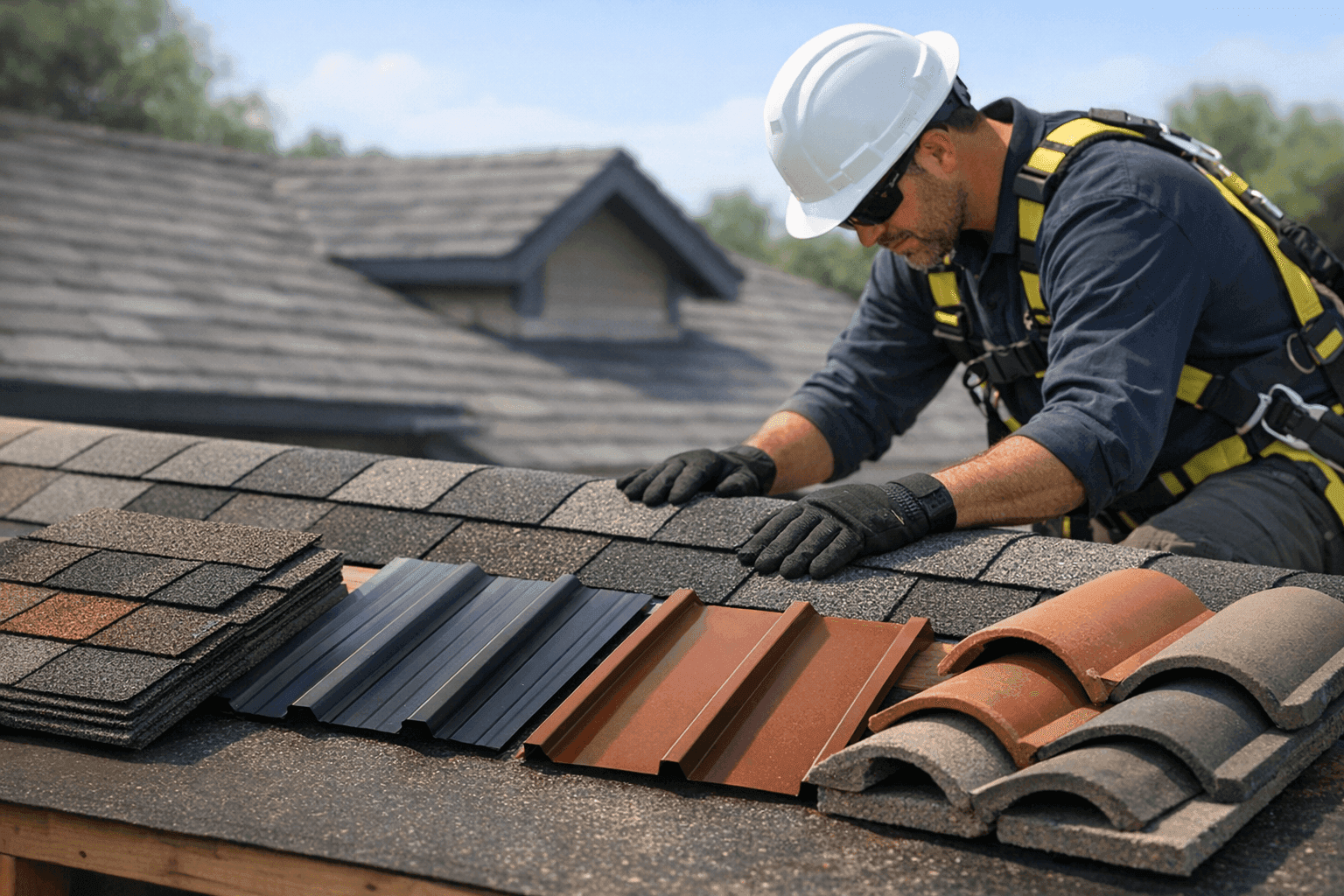
Is your roof a silent guardian or a ticking clock? Most property owners don’t think about their roof—until it leaks or sags. But every roof has a lifespan, and knowing when to replace it can save you a world of trouble.
At Robert Foley Roofing, we see all kinds of roofs and all kinds of surprises. Let’s walk through how long roofs last, what to look for, and how to plan for a replacement—without the stress.
Average Lifespan of Roofing Materials ⏳
The type of roof over your head matters more than you think. Each material has its own schedule. Here’s a straightforward breakdown:
- Asphalt Shingles: The workhorse of the roofing world. Most last 15–30 years, depending on quality and weather exposure. Regular maintenance can stretch this out.
- Architectural Shingles: A step up from standard asphalt. Expect 25–35 years.
- Metal Roofing: Durable and steady, like a mountain—40–70 years is common. Galvanized steel and aluminum roofs often outlive their warranties.
- Tile Roofing: Both clay and concrete tile are heavyweights, with lifespans of 50–100 years. They're resistant to rot and insect damage but can crack if walked on.
- Wood Shakes/Shingles: Around 20–40 years with good upkeep. Vulnerable to rot without regular cleaning and treatment.
- Slate Roofing: The granddaddy of roofing—can last 75–150 years if maintained.
- Flat Roofs (EPDM, TPO, Modified Bitumen): Usually 10–25 years, depending on material and maintenance.
- Synthetic Roofing (Rubber, Composite): Many types offer 30–50 years.
Roof age is only part of the story. Sun, wind, and rain all take their toll. That’s why it’s smart to track both the calendar and the condition.
Signs Your Roof is Nearing Replacement 🚩
Sometimes your roof whispers. Sometimes it shouts. Here’s how to listen:
- Curling or missing shingles: Like a patchy beard, it’s a sign of age or wind damage.
- Granule loss: Shingle granules in your gutters? It’s the roof’s way of shedding its armor.
- Leaks or water stains: Inside or out, this points to failing underlayment or flashing.
- Sagging sections: A wavy roofline is a red flag for structural issues.
- Daylight visible in the attic: Light streaming through? Water isn’t far behind.
- Moss or algae growth: Looks cozy but traps moisture, accelerating decay.
- Frequent repairs: If you’re calling for leak fixes more than once a season, it’s time to weigh replacement.
Some signs are obvious—others sneak up on you. Routine inspections help catch trouble before it grows.
Factors That Affect Roof Longevity 🏠
Not all roofs get the same treatment. What speeds up the clock?
- Climate: Hail, heavy snow, or relentless sun beat down on roofing materials, wearing them out faster.
- Ventilation: Poor airflow in the attic cooks your shingles from below. Good ventilation doubles as a roof’s air conditioner.
- Roof Pitch: Steep roofs shed water better. Flat roofs need extra attention to drainage.
- Maintenance habits: Clean gutters, quick leak fixes, and removing debris slow the aging process.
- Installation quality: Even the best materials fail if installed poorly. Always use professionals who know the ropes.
According to the International Association of Certified Home Inspectors (InterNACHI), regular roof inspections and prompt repairs are key in getting the most from your investment.
Planning and Budgeting for Replacement
No one wants to be caught off guard by a failing roof. Here’s how to stay ahead:
- Know your roof’s age: Dig up paperwork or ask prior owners if you’re unsure.
- Schedule annual inspections: A professional eye spots problems early.
- Budget ahead: Roof replacement is a major project. Set aside savings each year based on your roof’s type and size.
- Get multiple quotes: Material and labor costs can vary. Always ask for itemized estimates.
- Consider upgrades: Thinking about energy efficiency or better storm resistance? Replacement is the time to act.
- Factor in disruption: Replacing a roof takes time and can be noisy. Plan around family or business schedules.
For more details on what goes into a roof replacement and how to prepare, see our roof replacement planning guide.
When to Call a Roofing Professional
DIY inspections are helpful, but some issues need a trained eye. Call in help if:
- You see widespread damage after a storm.
- There’s persistent sagging or leaks.
- Mold or rot appears in your attic.
- You’re unsure what you’re looking at.
Skilled roofers can assess not just the shingles, but underlying decking, flashing, gutters, and attic ventilation.
Seasonal Considerations: Timing Your Roof Replacement
Roofs don’t care about your calendar—but weather sure does. Spring and fall are best for replacements, avoiding summer heat and winter storms.
Certain repairs—like leak patching or emergency storm work—can’t wait for perfect weather. If you’re in or near Moline, our local team is ready to help when you need timely support.
Preventative Maintenance for a Longer Roof Life
A little care goes a long way. Simple steps:
- Keep gutters clear to prevent water back-up.
- Trim tree branches away from the roofline.
- Check flashing and sealants for cracks.
- Look for loose tiles or shingles after storms.
- Schedule professional inspections each year.
These habits are the difference between a roof that lasts decades and one that fails early.
Roofing Materials: Choosing What’s Right for You
Not every material works for every property. Shingle roofing is affordable and common; metal resists fire and lasts longer. Tile is classic but heavy, so your structure must be up to the task.
If you’re weighing your options, our shingle roofing service details break down the pros, cons, and real-world performance of today's most popular options.
Emergency Roof Issues: Don’t Wait
A small leak can become a waterfall overnight. If you see sudden water intrusion, electrical hazards, or signs of major structural damage, act quickly. Emergency roofing services can prevent more costly problems.
The Cost of Waiting
Putting off roof replacement might seem like saving money—but hidden water damage, mold, and ruined insulation can multiply costs. Stay ahead by knowing your roof’s age and watching for early warning signs.
Common Mistakes to Avoid
- Ignoring small leaks or visible damage.
- Skipping yearly roof checks.
- Choosing the cheapest bid without looking at quality.
- Forgetting attic ventilation and insulation.
Each misstep can shorten your roof’s life or lead to expensive repairs.
Timeline & Disruption: What to Expect
Most residential roof replacements take 1–3 days. Larger commercial projects or complex materials (like tile or slate) may take longer. Expect noise, debris, and some disruption—professional crews will minimize the impact and clean up thoroughly when finished.
FAQs: Roof Lifespan & Replacement
Can I just replace damaged shingles?
Sometimes, yes—if the rest of the roof is in good shape and the damage is minor.
Is roof replacement covered by insurance?
Storm or accidental damage often is, but age and wear typically are not. Check your policy carefully.
Do I need to leave my home or business during replacement?
Usually not, but sensitive areas (like entrances) might be temporarily blocked.
Final Thoughts
A new roof is a big investment—but one that protects everything beneath it. Knowing when to replace your roof, understanding your options, and planning ahead can make the process smooth and predictable.
Call Robert Foley Roofing now — or reach us anytime at 844-684-1881 .