How to Budget for a Roof Replacement: Tips and Cost Factors
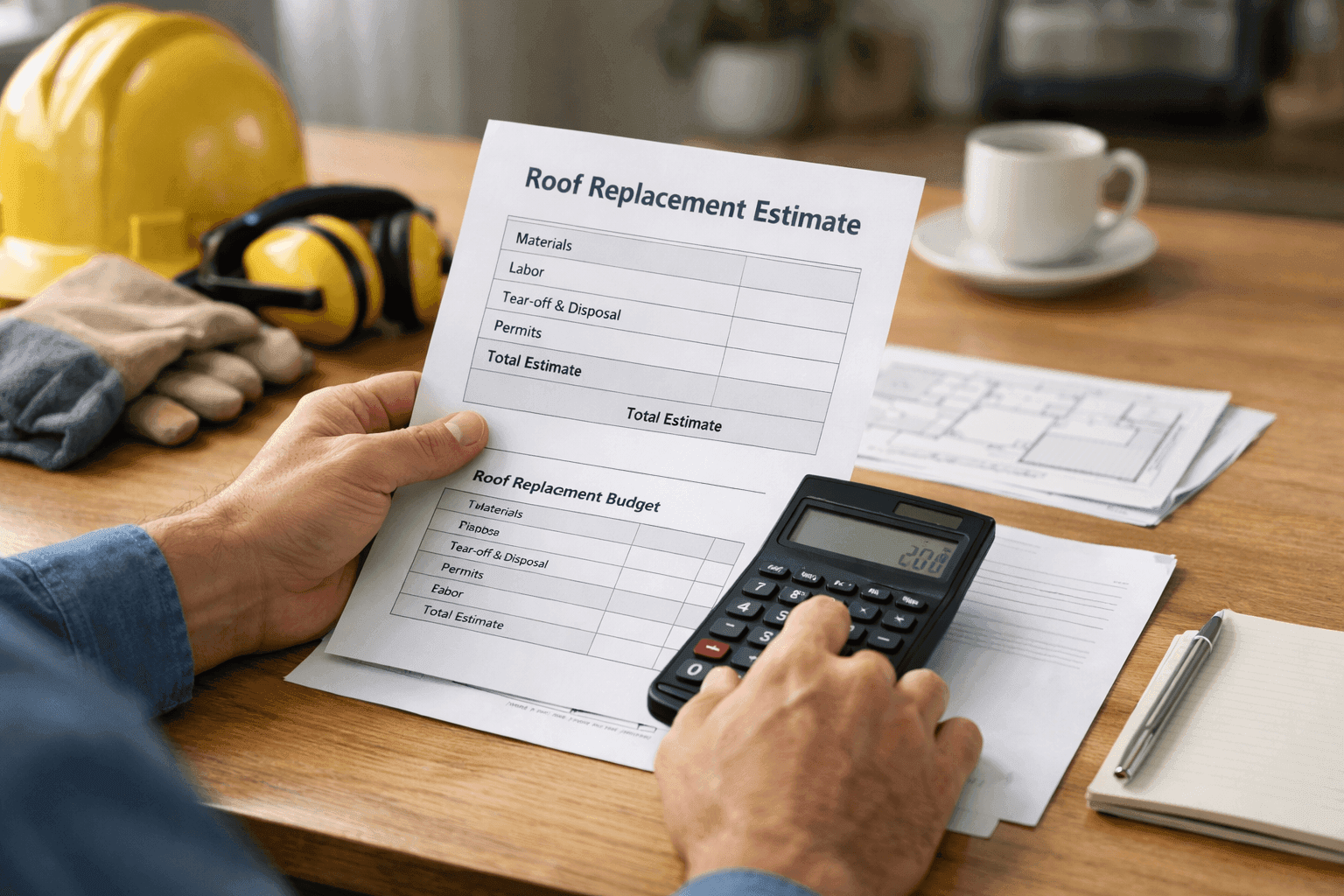
When your roof starts to show its age, the worry can creep in fast. Leaks, missing shingles, or storm scars on your home are more than just cosmetic—they’re a flashing sign it’s time to plan for a roof replacement. At Robert Foley Roofing, we know budgeting for this big project can feel like staring up at a mountain, but with the right steps, it becomes a manageable climb.
Roofing costs aren’t just numbers on a page. They’re about your home’s future security and comfort. Whether you own a house or a commercial building, understanding what drives those numbers gives you the confidence to make smart, lasting choices.
Key Cost Factors in Roof Replacement 🛠️
Think of your roof as a custom suit, not off-the-rack. What you pay will depend on your property’s unique needs, and several factors shape that final price tag:
- Roof Size & Pitch
Larger roofs need more materials and labor. Steep pitches demand extra safety gear and time. - Materials Chosen
Asphalt shingles, metal roofing, tiles—each comes with a different price per square foot. Eco-friendly options may cost more up front but can lower energy bills later. - Tear-Off & Disposal
Removing old layers, especially if there’s hidden damage, adds to the labor and dumpster fees. - Decking & Structural Repairs
If the underlying wood or structure is rotted, expect additional costs for decking or structural repair. - Location & Accessibility
Multi-story homes, tight spaces, or landscaping that makes ladder placement tricky can bump up labor charges. - Code & Safety Requirements
Building codes—set by the International Residential Code (IRC)—may require upgrades like better ventilation or improved flashing, especially after storm damage restoration.
How to Estimate Your Roof’s Cost
Budgeting for a roof replacement isn’t just guesswork. Here’s how to get a ballpark figure without surprises:
-
Measure Your Roof Area
- Roofers calculate in “squares” (100 sq. ft). Measure your home’s length and width, then add for overhangs and slopes.
-
Choose Your Material
- Asphalt shingles? Metal? Tile? Each has a different cost per square and lifespan. For example, asphalt shingles are often the most affordable, while metal and tile offer greater longevity but at a higher price.
-
Labor and Installation
- Labor usually accounts for 50-60% of the total. Complex roofs or those requiring new roof installation may take longer and cost more.
-
Factor in Extras
- Chimney flashing, skylight installation, gutters, and ventilation upgrades all impact the final bill.
-
Get Multiple Inspections
- A thorough inspection uncovers hidden issues. It’s the difference between a tune-up and a total overhaul.
Budgeting Tips and Planning Ahead
A new roof is a major investment, but smart planning cushions the blow:
- Set Aside a Contingency Fund
Add 10–20% to your estimated budget for surprises—like discovering rotten decking or outdated flashing. - Compare Bids Carefully
Don’t just jump for the lowest quote. Review what’s included, the brands of materials, and the warranty length. - Check for Financing Options
Many roofing companies offer payment plans. Some banks and credit unions provide home improvement loans at reasonable rates. - Timing Matters
Schedule during dry seasons to avoid delays. Some materials cost less in the off-season. - Understand Permit Costs
City permits are required for most roof replacements. Fees depend on location and project size. - Consider Future Savings
Energy-efficient materials, better insulation, or solar-ready options may cost more now but can lower utility bills year after year.
Avoiding Surprise Expenses 🏚️
Even the best budget can get blindsided. Here’s how to dodge financial potholes:
- Hidden Water Damage
- Leaks often mean more than just wet insulation. Rotted decking or rafters might only show up after tear-off.
- Unforeseen Code Upgrades
- If your home doesn’t meet current building codes, upgrades are mandatory. This can include new underlayment, ice barriers, or improved attic ventilation.
- Changing Material Prices
- Roofing materials are commodities. Prices can swing with supply chain hiccups or market demand.
- Emergency Repairs
- Storms don’t book appointments. Having a cushion set aside for emergency services keeps you ready for the unexpected.
- Disposal Fees
- Dumping old shingles and debris isn’t free. Make sure your estimate spells this out.
Signs It’s Time to Replace, Not Repair
Not sure if you need a patch or a full overhaul? Here’s when it’s time to replace:
- Roof age over 20 years (for asphalt roofs)
- Curling, cracked, or missing shingles
- Multiple leaks or water stains on ceilings
- Sagging rooflines
- Mold or moss growth on shingles or decking
If your roof shows these signs, consider a full roof replacement to protect your property long-term.
The Role of Roof Inspections
Getting a roof inspection is like having a mechanic check your brakes before a road trip. It spots trouble before it becomes a disaster. Inspections can uncover:
- Weak spots in decking or flashing
- Early leaks
- Poor attic ventilation or insulation
- Gutter or downspout issues
Regular inspections help you plan for repairs or replacement on your own schedule, not the weather’s.
Material Choices and Their Budget Impact
Roofing materials are like shoes: sneakers are affordable, but hiking boots last longer. Here’s what to consider:
- Asphalt Shingles
Affordable, quick to install, and available widely. Life span: 15–30 years. - Metal Roofing
More expensive, but can last 40–70 years and resists storms. - Tile Roofing
Highest up-front cost, but energy-efficient and lasts a lifetime with proper care. - Eco-Friendly Options
Cool roofs, recycled materials, or solar-ready systems may qualify for rebates and lower utility bills.
Timeline and What to Expect During Replacement
Replacing a roof is a dance between weather, materials, and crews. Most residential projects take 2–5 days. Commercial roofs or specialty materials may stretch longer.
- Noise and Vibration Expect some disruption—hammering, debris, and foot traffic.
- Safety Precautions Crews use harnesses and protective gear. Kids and pets should stay indoors.
- Cleanup A good roofing team leaves your yard as clean as they found it.
Common Mistakes to Avoid
Don’t let these potholes trip you up:
- Only budgeting for materials, not labor or extras
- Skipping inspections before starting
- Ignoring code requirements
- Choosing based on price alone, not quality or reputation
- Delaying replacement until leaks cause major damage
DIY vs. Professional Roofing Services
Replacing a roof is more than just swinging a hammer. It’s a blend of skill, safety, and know-how. While handy homeowners can handle minor leak repair or gutter cleaning, a full replacement is best left to professionals with the right equipment and insurance coverage.
When It’s an Emergency ⛈️
Storms can hit without warning, tearing off shingles or sending branches through your roof. When disaster strikes, quick action is critical to prevent bigger problems like water damage or mold. In urgent situations, homeowners in the area can rely on the availability of local roofing help in Roswell for prompt service.
Prevention: Maintenance Pays Off
An ounce of prevention saves a pound of cash. Schedule regular gutter cleaning, check attic insulation, and keep trees trimmed back. Preventative maintenance helps you avoid expensive surprises and extends your roof’s lifespan.
Planning for New Construction and Major Upgrades
Building a new home or adding on? Budgeting for a new roof starts with the same cost factors—size, material, labor, code. Talk with your contractor early to make sure your plans and permits line up to avoid costly changes down the line.
The Importance of Professional Guidance
Every roof is different. Local codes, climate, and your long-term plans all matter. A professional roofing team walks you through options, inspects for hidden issues, and provides clear, written estimates—no guesswork, no rushed decisions.
Replacing your roof is a major project, but with smart budgeting and the right information, you can tackle it with confidence. If you’re ready to start planning, Call Robert Foley Roofing now — or reach us anytime at 844-684-1881 .