How to Choose the Best Roofing Material for Your Home or Business
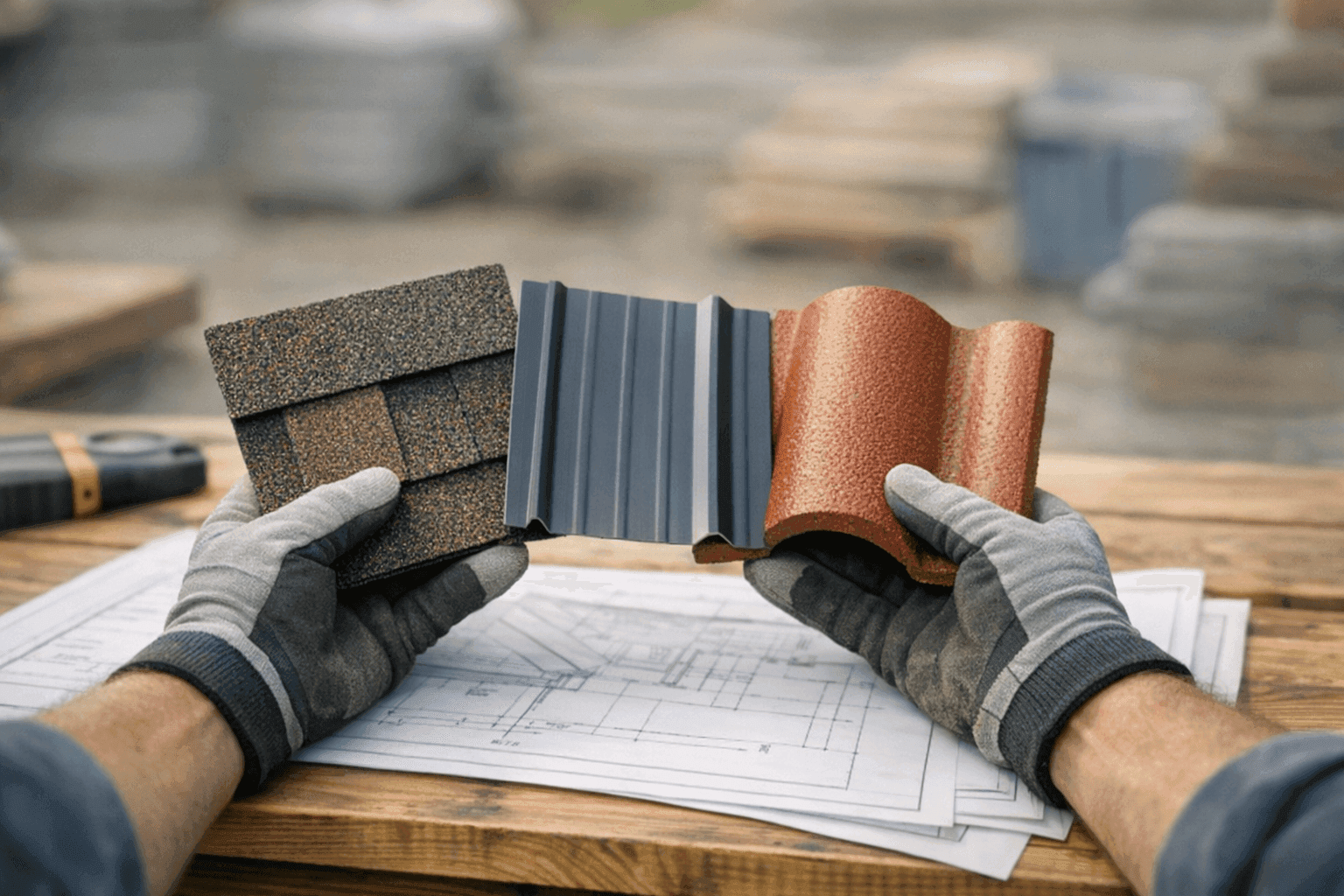
Choosing the right roofing for your property is a big decision. Your roof is more than just a hat for your building—it’s the shield that keeps everything safe and dry. Whether you’re a homeowner or manage a business, the stakes are high. The wrong choice can mean more repairs, higher bills, and even safety risks.
At Robert Foley Roofing, we know every roof is unique. With so many materials on the market, it’s easy to feel overwhelmed. Let’s break down the options—shingles, metal, tile, and flat roofing—so you can pick what truly fits your needs.
The Big Four: Shingles, Metal, Tile, and Flat Roofing 🏠
Every material has strengths and quirks. Some are like reliable old trucks—steady and familiar. Others are more like high-performance cars: efficient, but with special needs. Here’s what you need to know.
Asphalt Shingles: The Familiar Favorite
- Lifespan: 15–30 years, depending on brand and weather.
- Maintenance: Occasional inspections and minor repairs.
- Insulation Value: Moderate—can be improved with attic insulation.
- Weather Resistance: Handles rain and moderate wind, but can struggle with extreme storms or hail.
- Sustainability: Some shingles are recyclable, but most end up in landfills.
Best for: Most homes and smaller businesses. Affordable, widely available, and easy to repair. Think of shingles as the jeans of roofing—practical, dependable, and everywhere.
Metal Roofing: The Modern Workhorse
- Lifespan: 40–70 years. Some steel and aluminum roofs last even longer.
- Maintenance: Minimal—just keep gutters clear and check for dents.
- Insulation Value: Good reflectivity; can lower cooling costs with the right underlayment.
- Weather Resistance: Excellent for harsh climates, fire-resistant, and shrugs off snow.
- Sustainability: Often made from recycled metal and is fully recyclable at end of life.
Best for: Both homes and commercial buildings, especially where longevity and energy efficiency matter. Metal roofs are like stainless steel appliances—sleek, durable, and built to last.
Tile Roofing: The Classic Beauty
- Lifespan: 50–100 years. Clay and concrete tiles can outlast generations.
- Maintenance: Occasional replacement of broken tiles and regular checks for moss.
- Insulation Value: High thermal mass—keeps interiors cooler in summer, warmer in winter.
- Weather Resistance: Tough against wind and sun, but can crack under impact or freeze-thaw cycles.
- Sustainability: Natural materials, often locally sourced; long life reduces waste.
Best for: Homes in mild or hot climates, upscale properties, and those wanting a timeless look. Tiles are the grand pianos of roofing—elegant and enduring, but heavy and needing the right support.
Flat Roofing: The Commercial Standard
- Lifespan: 10–30 years, depending on material (TPO, EPDM, PVC, etc.).
- Maintenance: Needs regular inspections for pooling water and membrane wear.
- Insulation Value: Varies—can be improved with added layers.
- Weather Resistance: Good, but prone to leaks if not maintained.
- Sustainability: Some membranes are recyclable; options for green roofs exist.
Best for: Large commercial buildings, modern homes, and spaces where rooftop equipment is needed. Think of flat roofs as the cargo vans of roofing—practical, spacious, and built for utility.
Lifespan: How Long Do You Want Your Roof to Last?
Material choice is a long-term commitment. Asphalt shingles may need replacement after 20 years, while tile and metal can last several decades—or longer. For businesses, downtime is costly, so a longer-lasting material may be worth the upfront investment.
Tip: Always check manufacturer warranties and ask about typical lifespan in your region. The National Roofing Contractors Association (NRCA) is a trusted source for material guidelines and maintenance advice.
Maintenance: What’s Involved, Really?
Some roofs are low-maintenance, others need regular care. Asphalt shingles and metal require little hands-on work. Tile roofs need occasional tile replacement. Flat roofs demand routine checks for pooling water and membrane damage.
- Residential tip: Schedule yearly inspections, especially after storms.
- Commercial tip: Create a maintenance log to track repairs and inspections.
Skipping maintenance is like ignoring oil changes in your car. Problems build up quietly—until they can’t be ignored.
Insulation Value: Keeping Energy Bills in Check
Roofs aren’t just about keeping rain out. They help lock in comfort. Metal roofs reflect heat, which can lower cooling costs. Tile roofs act like thermal sponges, storing and releasing heat slowly. Shingles do a decent job, but rely on attic insulation for best results. Flat roofs can be insulated from above or below.
Building codes often set minimum insulation requirements (see International Energy Conservation Code for details). Upgrading insulation is a smart move during any reroofing project.
Weather Resistance: Can Your Roof Handle the Storm?
Every region faces different weather risks. Hail, tornadoes, hurricanes, heavy snow—your roof needs to be up for the challenge.
- Shingles: Good for moderate climates, but can be damaged by hail or high winds.
- Metal: Excellent for snow, wind, and fire. Can dent in severe hail.
- Tile: Stands up to sun and moderate wind. May crack if hit hard.
- Flat: Water pooling is the main risk; proper drainage is a must.
Tip: Ask your roofer about local code requirements and manufacturer wind/hail ratings (look for UL 2218 or FM Global ratings).
Sustainability: Greener Choices for Modern Roofs 🌱
Eco-friendly roofing isn’t just a trend—it’s an investment in the future. Metal roofs are often made from recycled content and are fully recyclable. Tile roofs use natural materials and last for decades. Some asphalt shingles now include recycled content, but many still end up in landfills. Flat roofs can support solar panels or even green, living roofs.
If sustainability is a priority, talk with your roofer about materials certified by organizations like the Cool Roof Rating Council or ENERGY STAR.
Residential vs. Commercial: What’s Different?
- Homes: Curb appeal, comfort, and budget are key. Asphalt shingles and metal are most popular.
- Businesses: Durability, energy savings, and space for equipment matter. Flat roofs and metal dominate.
Insurance requirements and local codes may differ for residential and commercial properties. Always check before making a final decision.
Quick Safety Checklist Before You Decide
- Check local building codes for approved materials.
- Review fire and wind ratings—especially in storm-prone areas.
- Assess roof structure: Heavy materials like tile need extra support.
- Ask about warranty coverage for both materials and installation.
DIY vs. Call a Pro: Where’s the Line?
Changing a shingle or cleaning gutters is one thing. Installing a new metal or tile roof is another. Most roofing work is best left to licensed professionals. Not only for safety, but also for warranty and insurance compliance.
What the Pros Do When They Arrive
When a Robert Foley Roofing crew arrives, we start with a full inspection. We check decking, flashing, insulation, and ventilation. We’ll talk through your goals—energy savings, curb appeal, storm resistance—and recommend materials that fit your needs and budget.
Prevention & Maintenance: Keep Problems Small
- Schedule annual inspections.
- Keep gutters and downspouts clear.
- Trim overhanging trees.
- Address leaks or damage quickly.
Prevention is like regular dental checkups—catching small issues before they become big headaches.
Costs & Time Factors: What to Expect
- Shingles: Lowest upfront cost, quick install.
- Metal: Higher cost, but pays off long-term.
- Tile: High material and install cost, but lasts the longest.
- Flat: Cost varies by membrane type and insulation needs.
Installation time varies from a couple of days (shingles, metal) to a week or more (tile, complex flat roofs). Weather and project size play a role.
When It’s an Emergency: Fast Action Matters 🚨
Storms, leaks, or sudden damage can’t wait. Temporary tarps or sealants may buy time, but a full assessment is critical. If you’re in the Blue Springs area, our roofing in Blue Springs team is ready to help when emergencies strike.
Seasonal Considerations: Timing Your Roofing Project
Spring and fall are ideal for most roofing work. Summer heat can make installation challenging (especially for shingles and metal). Winter brings its own risks—ice, snow, and cold can slow things down or affect how materials set.
Common Mistakes to Avoid
- Choosing based on looks alone.
- Ignoring local code requirements.
- Forgetting about weight and structural support.
- Skipping the attic insulation check.
Signs of Trouble: Know When It’s Time
- Missing, curling, or cracked shingles.
- Rust spots or loose panels on metal roofs.
- Broken or sliding tiles.
- Water stains or leaks inside.
- Sagging or pooling on flat roofs.
Early detection saves money and stress.
Timeline & Disruption: What’s Normal?
Most residential jobs take 1–3 days. Commercial projects or tile roofs may take longer. Expect some noise, dust, and limited access to parts of your property. Good communication with your contractor helps minimize surprises.
Materials & Equipment: What’s Used
- Shingles: Asphalt, fiberglass, nails, underlayment.
- Metal: Panels, fasteners, flashing, sealants.
- Tile: Clay or concrete tiles, battens, waterproofing.
- Flat: Membranes, adhesives, insulation, gravel or pavers.
Proper safety gear is a must—OSHA guidelines require harnesses and fall protection for work above certain heights.
FAQ: Your Roofing Questions Answered
Q: Can I mix materials (e.g., metal and shingles)?
A: Sometimes, especially for accent areas. But it requires careful planning and proper transitions.
Q: How do I know if my roof can support a heavier material like tile?
A: A structural assessment is needed. Your roofer will check rafters and decking.
Q: Are eco-friendly roofs more expensive?
A: Upfront costs can be higher, but energy savings and longer lifespan often offset the difference.
Q: How often should I inspect my roof?
A: At least once a year, and after major storms.
Final Thoughts: Making the Right Choice
The best roofing material depends on your building, your climate, and your goals. Think about how long you’ll own the property, what you want to spend now versus later, and how much maintenance you’re willing to do. Don’t be afraid to ask questions or request references—after all, your roof is your first line of defense.
Ready to talk options or need a professional assessment?
Call Robert Foley Roofing now — or reach us anytime at 844-684-1881 .