How to Extend the Life of Your Roof: Expert Tips for Homeowners
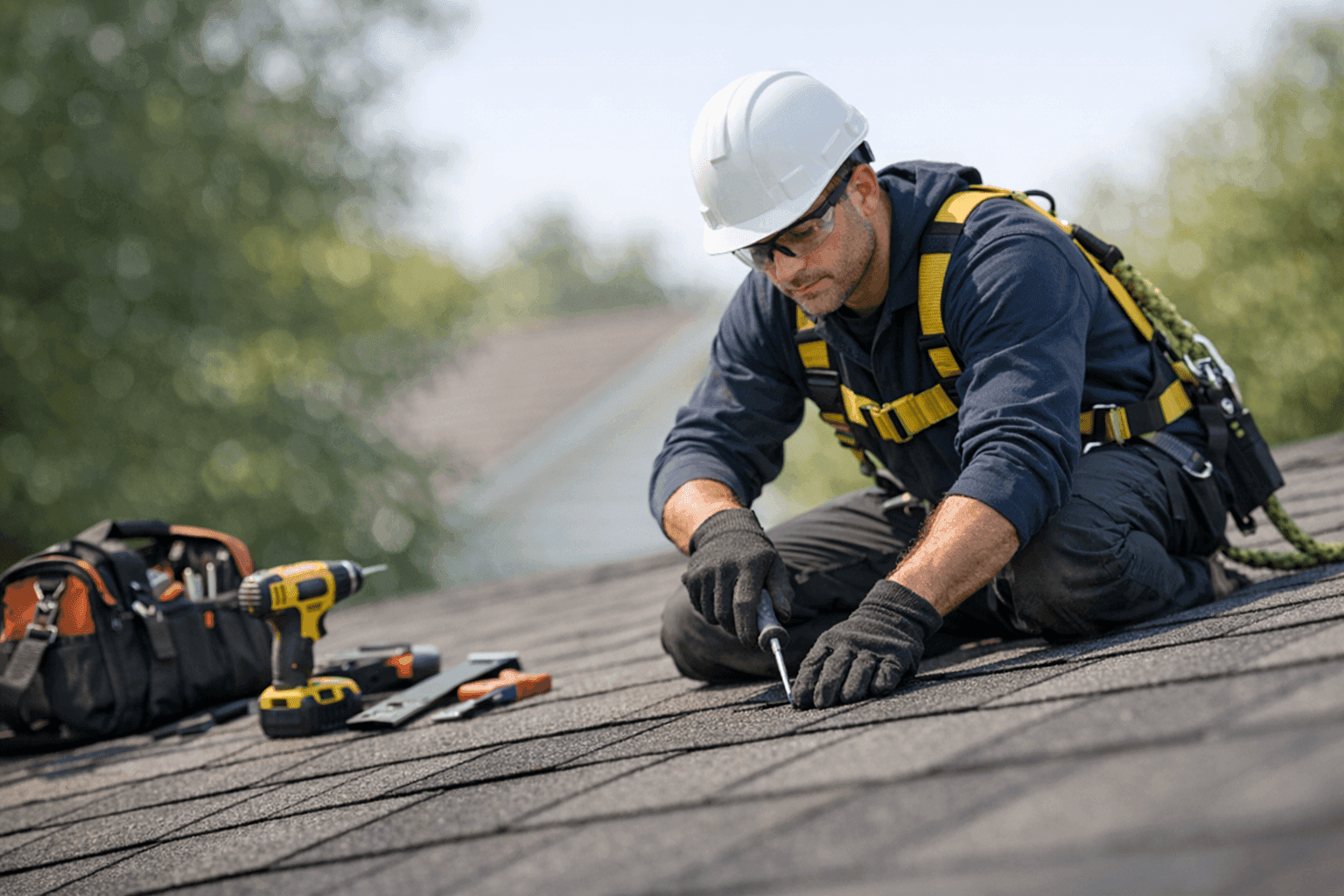
Is your roof just a silent shield, or is it quietly begging for help? Most homeowners don't think about their roof until there's a drip in the hallway or a missing shingle after a storm. But your roof is working overtime, day after day, to protect everything you love.
At Robert Foley Roofing, we know that a little attention now can save a mountain of trouble later. Let's walk through what really makes a roof last—and what you can do, starting today.
Key Factors That Impact Roof Longevity
Roofs aren't all created equal. Some age gracefully like a fine wine; others fall apart fast. Why?
- Materials Matter: Asphalt shingles, metal, tile, and flat roofs all have different life expectancies. Quality counts.
- Weather Wear: Hail, wind, snow, and relentless sun can shorten a roof’s lifespan. Think of your roof as a raincoat—it needs to be tough.
- Installation Quality: Even the best materials fail if installed poorly. Small mistakes can turn into big leaks.
- Ventilation & Insulation: Without proper airflow, heat and moisture build up, leading to rot and mold.
- Slope and Drainage: Water should run off, not pool. Puddles on a flat roof are trouble waiting to happen.
- Nearby Trees: Branches scraping, leaves clogging gutters—nature can be rough on your roof.
Maintenance Tasks That Make a Difference 🛠️
Routine care is your roof’s best friend. Here are the big ones:
- Clean Gutters and Downspouts: Clogged gutters cause water to back up, damaging shingles and fascia.
- Trim Overhanging Branches: Prevents scratches and keeps critters away.
- Check for Moss and Algae: They hold moisture and can lead to rot.
- Inspect After Storms: Look for missing shingles, dents, or debris.
- Sealant Touch-Ups: Around skylights, chimneys, and flashing—these are weak spots.
- Attic Checks: Look for damp insulation, water stains, or daylight peeking through.
A seasonal checklist is your secret weapon. Spring and fall are perfect times to schedule these preventative maintenance tasks and protect your roof before harsh weather sets in.
Spotting Trouble Early: Signs Your Roof Needs Attention
Don’t wait for a waterfall in the living room. Watch for these warning signs:
- Curling or Missing Shingles: A sure sign of aging or storm damage.
- Granules in Gutters: Asphalt shingles shed granules as they wear out.
- Sagging Roof Deck: Indicates water damage or structural issues.
- Water Stains on Ceilings or Walls: Leaks could be lurking above.
- Rusty or Damaged Flashing: Flashing keeps water out of seams and joints.
- Mold or Mildew: Often a sign of poor ventilation or leaks.
If you spot any of these, don’t ignore them. Small fixes now prevent big headaches later.
Materials and Upgrades for Longer Life
Not all roofs are built to last the same. Choosing the right materials and upgrades can add years to your roof’s life.
- Metal Roofing: Durable, fire-resistant, and sheds snow easily.
- High-Quality Shingles: Look for impact-rated or algae-resistant options.
- Tile Roofing: Clay and concrete tiles offer longevity and classic style.
- Eco-Friendly Options: Cool roofs, solar-reflective shingles, and green roofing can improve efficiency and durability.
- Gutter Guards: Keep debris out and water flowing.
- Proper Insulation: Keeps your attic dry and temperature stable.
- Upgraded Flashing: Stronger materials at joints and edges mean fewer leaks.
Consult local building codes and the National Roofing Contractors Association (NRCA) for guidelines on materials and installation best practices.
Preventing Leaks: What Really Works
Water is a roof’s worst enemy. Here’s how to keep it out:
- Regular Inspections: Catch minor issues before they become leaks.
- Sealants and Coatings: These act like raincoats for vulnerable areas.
- Chimney and Skylight Flashing: Check for cracks and reseal as needed.
- Downspout Extensions: Move water away from your foundation.
- Prompt Repairs: Don’t let small leaks linger.
A stitch in time truly saves nine when it comes to leak repair.
The Role of Inspections
Think of inspections as your roof’s annual physical. A trained eye can spot trouble you might miss:
- Professional Inspections: Recommended at least once a year, or after severe storms.
- What Pros Look For: Soft spots, hidden leaks, flashing failures, and early signs of wear.
- Documentation: A thorough inspection report helps with insurance claims and resale value.
Learn more about the benefits of roofing in Terre Haute and how inspections can help local homeowners deal with our unpredictable weather.
DIY vs. Professional Maintenance
Some tasks are safe for handy homeowners—others aren’t.
DIY-Friendly:
- Clearing gutters
- Trimming branches
- Visual checks from the ground
Leave to the Pros:
- Walking on steep or slippery roofs
- Structural repairs
- Chimney flashing and skylight work
- Major leak repairs
Remember: Safety first. Falls are a leading cause of home injuries, according to OSHA.
Seasonal Considerations: Weathering the Storms 🌦️
Roofs face different threats as seasons change:
- Spring: Check for winter damage, clear debris.
- Summer: Inspect for sun damage and attic ventilation.
- Fall: Remove leaves, prep for snow.
- Winter: Watch for ice dams and heavy snow loads.
In regions like ours, strong storms can roll through unexpectedly, making preparedness a must.
Emergency Situations: What to Do When Disaster Strikes
Sometimes, trouble hits fast—a tree falls, a hailstorm shreds your shingles, or water starts pouring in. When that happens:
- Stay safe. Don’t climb on the roof during a storm.
- Contain leaks indoors with buckets or tarps.
- Document damage with photos for insurance.
- Call for emergency roofing help immediately.
Local support is available for urgent repairs, especially for Terre Haute homes after severe weather.
Common Mistakes That Shorten Roof Life
Avoid these pitfalls:
- Neglecting Gutters: Water damage starts at the edge.
- Skipping Inspections: Out of sight shouldn’t mean out of mind.
- DIY Gone Wrong: Well-meaning fixes can make things worse.
- Ignoring Small Leaks: They only grow bigger—and more expensive.
- Improper Pressure Washing: Can strip granules from shingles.
Upgrades That Pay Off
Investing in your roof now can save money later:
- Attic Ventilation Systems: Reduce heat and moisture.
- Impact-Resistant Shingles: Stand up to hail and debris.
- Energy-Efficient Skylights: Add light without leaks.
- Seamless Gutters: Fewer joints mean fewer leaks.
Ask about the latest materials and technology to extend your roof’s lifespan.
When to Call a Professional
If you’re unsure, overwhelmed, or notice damage, it’s time to call in help. Professional roofers can:
- Diagnose hidden issues
- Offer safe, effective repairs
- Provide warranties on materials and labor
For ongoing peace of mind, consider scheduling regular preventative maintenance with a trusted roofing company.
Cost and Time: What to Expect
- Routine Maintenance: Usually affordable and quick—think hours, not days.
- Repairs: Costs vary by damage, but early fixes are always cheaper.
- Replacement: Takes longer and costs more, but is sometimes unavoidable.
Budget for annual upkeep to avoid surprise expenses.
FAQs: Your Roofing Questions Answered
How often should I inspect my roof?
At least once a year, plus after major storms.
Can I walk on my roof to check for damage?
It’s best to stay off unless you have safety equipment and experience.
What’s the average lifespan of a roof?
20–30 years for asphalt, 40–70 for metal, and tile can last even longer.
Are eco-friendly roofs worth it?
Yes—many offer energy savings and longer life.
Conclusion: Protect Your Home, Protect Your Investment
Your roof does more than keep the rain out. It protects your family, your belongings, and your peace of mind. With the right care, it can last for decades.
Ready to give your roof the attention it deserves? Call Robert Foley Roofing now — or reach us anytime at 844-684-1881 .