How to Prevent Roof Leaks During Heavy Rain
When storm clouds gather and raindrops drum on your roof, the last thing you want is water sneaking inside. A single leak can turn a peaceful night into a frantic scramble for buckets and towels. At Robert Foley Roofing, we know that roof leaks don’t just ruin ceilings—they disrupt lives and businesses.
Heavy rain tests every inch of your roof. Knowing where leaks begin and how to stop them is the key to peace of mind. Whether you own a home or manage a commercial property, prevention is your best defense.
Why Roofs Leak in Heavy Rain 🌧️
Roofs are like shields, but even the strongest can have weak spots. During heavy rain, water finds its way through the smallest cracks. Here’s why leaks often appear when storms hit:
- Aging Materials: Shingles, tiles, and sealants wear down over time, losing their ability to repel water.
- Clogged Gutters: When gutters overflow, water backs up and seeps under roofing layers.
- Damaged Flashing: Metal strips around chimneys, vents, and skylights can rust, crack, or pull away, leaving gaps.
- Poor Ventilation: Trapped moisture in attics or roof cavities can weaken structures and cause leaks.
- Improper Installation: Even one misaligned shingle or poorly sealed joint can become a leak’s entryway.
The National Roofing Contractors Association (NRCA) emphasizes that regular inspections and prompt repairs are essential to prevent water intrusion.
Key Areas to Inspect Before the Storm
Think of your roof as a puzzle. Each piece—shingles, gutters, flashing—needs to fit perfectly. Before the next downpour, check these spots:
- Shingles and Tiles: Look for missing, cracked, or curled pieces.
- Flashing: Inspect metal strips at roof edges, valleys, chimneys, and skylights. Any rust or gaps?
- Gutters and Downspouts: Are they clear of leaves and debris? Overflowing gutters are a red flag.
- Skylights and Vents: Check seals for cracks or peeling.
- Attic and Ceilings: Stains or dampness may signal hidden leaks.
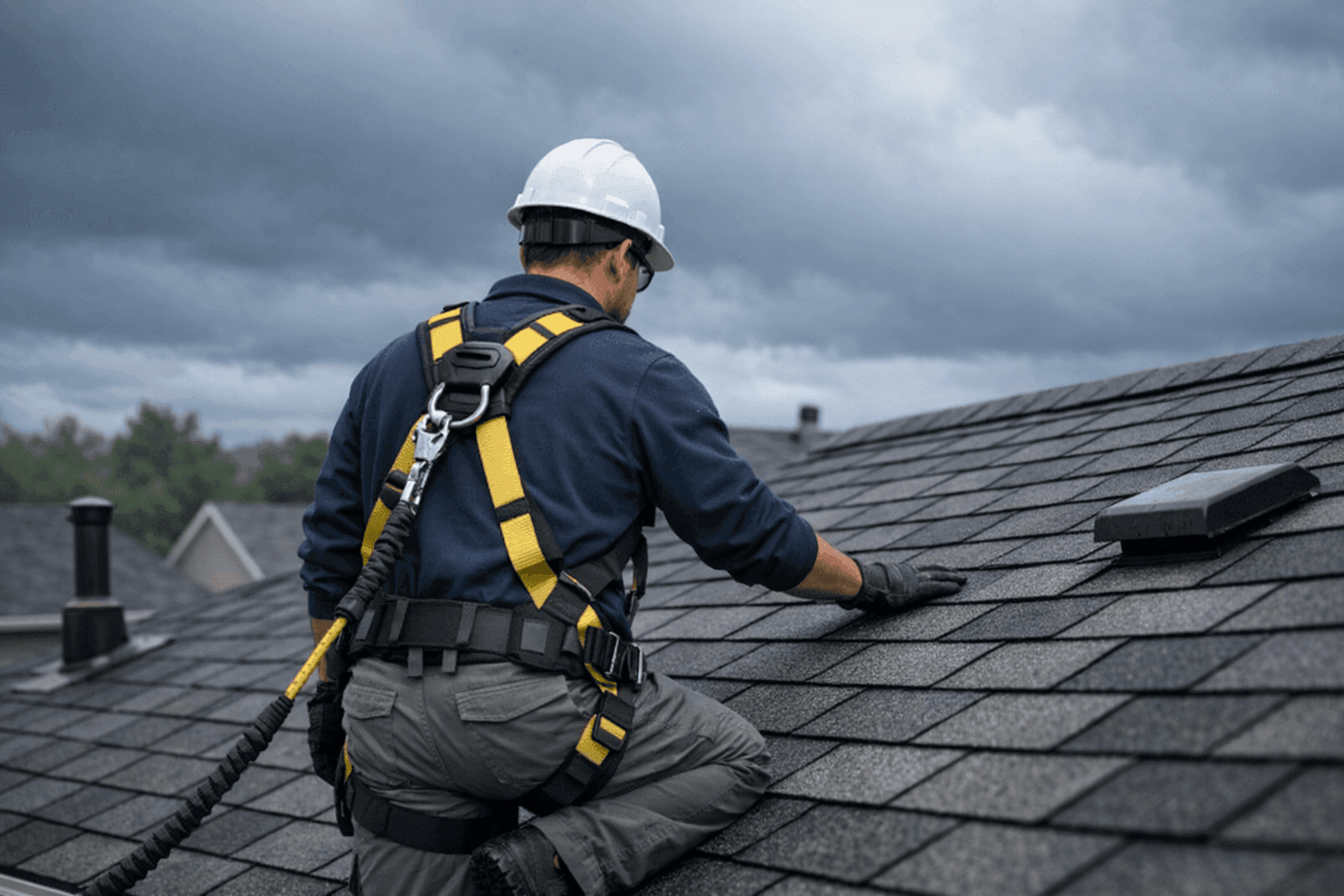
A quick walk-around with binoculars can reveal obvious issues. For a closer look, always use proper safety gear or call a professional.
Preventative Maintenance Steps
A little upkeep can save a lot of heartache. Follow these steps to keep your roof watertight:
- Clean Gutters Regularly: Remove leaves, twigs, and dirt at least twice a year. This keeps water flowing away from your roof.
- Trim Overhanging Branches: Branches scraping your roof can damage shingles and drop extra debris.
- Check and Reseal Flashing: Use roofing-grade sealant to close small gaps around chimneys, skylights, and vents.
- Replace Damaged Shingles or Tiles: Don’t ignore even minor damage—water will find the path of least resistance.
- Inspect Attic Insulation and Ventilation: Proper airflow prevents moisture buildup and rot.
- Schedule Professional Inspections: An annual checkup by a qualified roofer can catch problems early.
If you notice any issues, don’t wait for the next storm. Small repairs now prevent bigger headaches later.
Quick Safety Checklist for Rainy Seasons
Before the rainy season rolls in, run through this checklist:
- Are gutters and downspouts clear?
- Any missing or damaged shingles?
- Flashing secure and rust-free?
- Attic dry with no musty smells?
- Trees trimmed away from the roofline?
If you answer “no” to any, it’s time for action.
DIY vs. Call a Pro
Some tasks—like cleaning gutters or spotting a loose shingle—are safe for handy homeowners. But climbing ladders or walking on steep roofs can be risky. If you’re unsure, safety comes first. Roofing pros have the right tools, harnesses, and know-how to spot hidden problems.
Stubborn leaks, major flashing repairs, and high roofs are best left to licensed contractors. Building codes and OSHA guidelines exist for a reason—protecting both property and people.
Common Mistakes That Lead to Leaks
Even well-meaning property owners can make mistakes:
- Ignoring small leaks, hoping they’ll go away
- Using generic caulks instead of roofing sealants
- Overlooking gutter cleaning
- Walking on fragile tiles without protection
- Delaying repairs to save money
These shortcuts often cost more in the long run. Water doesn’t wait.
Emergency Leak Response 🚨
Sometimes, even the best preparation isn’t enough. If water starts dripping inside during a storm:
- Move valuables and electronics away from the leak.
- Contain the water with buckets or towels.
- Puncture a bulging ceiling (carefully) to release trapped water and prevent collapse.
- Cover the area with a tarp if it’s safe to do so.
- Document the damage with photos for insurance.
After the storm, professional leak repair services can address the source and restore your roof’s integrity.
What to Expect When Pros Arrive
A roofing team will:
- Inspect the roof and attic for hidden leaks
- Identify the leak’s entry point and affected materials
- Recommend repairs, from patching to replacing sections
- Use code-compliant materials and safety practices
Expect some noise and disruption, but most repairs are completed within a day or two for minor leaks.
Costs, Time Factors & Materials
Leak repair costs depend on:
- The extent of damage (surface patch vs. structural repair)
- Roof type (shingle, tile, flat, or metal)
- Accessibility and safety requirements
Materials like flashing, underlayment, and sealants are chosen for durability. While some fixes are quick, major repairs or replacements take longer and may require permits.
Seasonal Considerations
Heavy rain isn’t the only culprit. Freeze-thaw cycles, hail, and high winds can all weaken your roof. Schedule inspections before storm seasons and after major weather events.
If you’re concerned about regional weather, Wilmington roofing services are available for seasonal maintenance and emergency support.
Signs of Trouble: Don’t Ignore These Clues
Leaks don’t always announce themselves with a dramatic drip. Watch for:
- Brown or yellow stains on ceilings or walls
- Peeling paint or bubbling plaster
- Musty odors in the attic
- Sagging drywall or ceiling panels
- Mold growth near rooflines
Early detection means easier repairs.
When It’s an Emergency
If water is pouring in, structural damage is visible, or electrical systems are affected, call for help immediately. Safety comes first—stay clear of wet ceilings and turn off power if needed.
Timeline & Disruption: What to Expect
Most minor leak repairs are finished quickly, often in a single day. Major repairs or replacements can take several days, especially if weather delays work. Clear communication with your roofer helps set expectations and minimizes surprises.
Choosing the Right Materials for Leak Defense
Not all roofing materials are equal. Impact-resistant shingles, high-quality flashing, and waterproof underlayments offer better protection. Discuss options with your roofer to match your needs, whether it’s for a historic home or a modern flat roof.
Preventative Products: Sealants, Coatings & More
Modern sealants and roof coatings can add an extra layer of defense. These products, when properly applied, can extend your roof’s life and reduce the risk of leaks. Always use products rated for your specific roof type.
FAQs: Roof Leaks and Heavy Rain
Q: Can I prevent all leaks?
A: While no roof is invincible, regular maintenance and prompt repairs make leaks much less likely.
Q: How often should I inspect my roof?
A: At least twice a year—spring and fall—or after severe storms.
Q: What if my roof is flat?
A: Flat roofs need extra attention to drainage and membrane integrity. Ponding water is a warning sign.
Q: Do gutters really matter that much?
A: Absolutely. Clean, well-installed gutters direct water away from your roof and foundation.
Final Thoughts: Stay Dry, Stay Safe
A little vigilance goes a long way. By checking vulnerable spots and acting quickly, you can keep your property dry and damage-free—even when the storms roll in. And when in doubt, call in the pros.
Call Robert Foley Roofing now — or reach us anytime at 844-684-1881 .