Metal Roofing: Pros, Cons, and Maintenance Guide
Is your roof ready for the next decade—or the next storm? Whether it’s the steady drip of a leak or the scramble after a storm, roofing choices matter more than most realize. Homeowners and business owners alike stand at a crossroads when it’s time for a new roof. Metal roofing is making waves, but is it all it’s cracked up to be?
At Robert Foley Roofing, we’ve seen metal roofs perform under pressure, but also watched as small mistakes turn into big headaches. Here’s a clear-eyed guide to help you weigh your options.
Why Consider Metal Roofing?
Metal roofs aren’t just for modern barns and industrial buildings. They’re showing up everywhere—on cozy bungalows, busy storefronts, and even sleek new construction. Why? Because metal is like the Swiss Army knife of roofing. It’s versatile, tough, and designed to last.
Unlike asphalt shingles, metal roofing doesn’t wilt under a summer sun or crack after a cold snap. It shrugs off hail, laughs at heavy snow, and resists fire. For many, peace of mind starts at the top.
Advantages and Disadvantages
What Makes Metal Roofing Stand Out? 🏠
- Durability: Metal roofs are built for the long haul—think 40-70 years, much longer than standard shingles.
- Lightweight: Less strain on your home’s bones compared to tile or slate.
- Energy Efficiency: Reflects sunlight, which can help cool your building and ease the load on your air conditioner.
- Low Maintenance: No need for constant patching or sealing.
- Sustainability: Many panels are made from recycled materials and are fully recyclable when replaced.
The Flip Side
- Upfront Cost: Metal can cost two to three times more than asphalt shingles. Think of it like buying a reliable car versus a cheap scooter.
- Noise: Rain on a metal roof can be soothing—or loud. Insulation often helps, but it’s something to consider.
- Denting: While tough, large hail or heavy branches can leave a mark.
- Expansion and Contraction: Metal moves with temperature swings. If not installed properly, panels can loosen or fasteners can back out over time.
Installation and Maintenance Overview
A metal roof is only as good as its installation. Like a tailored suit, the fit matters.
The Right Way to Install
- Preparation: Remove old roofing, inspect decking, and fix any weak spots.
- Underlayment: Install a high-quality moisture barrier to keep leaks at bay.
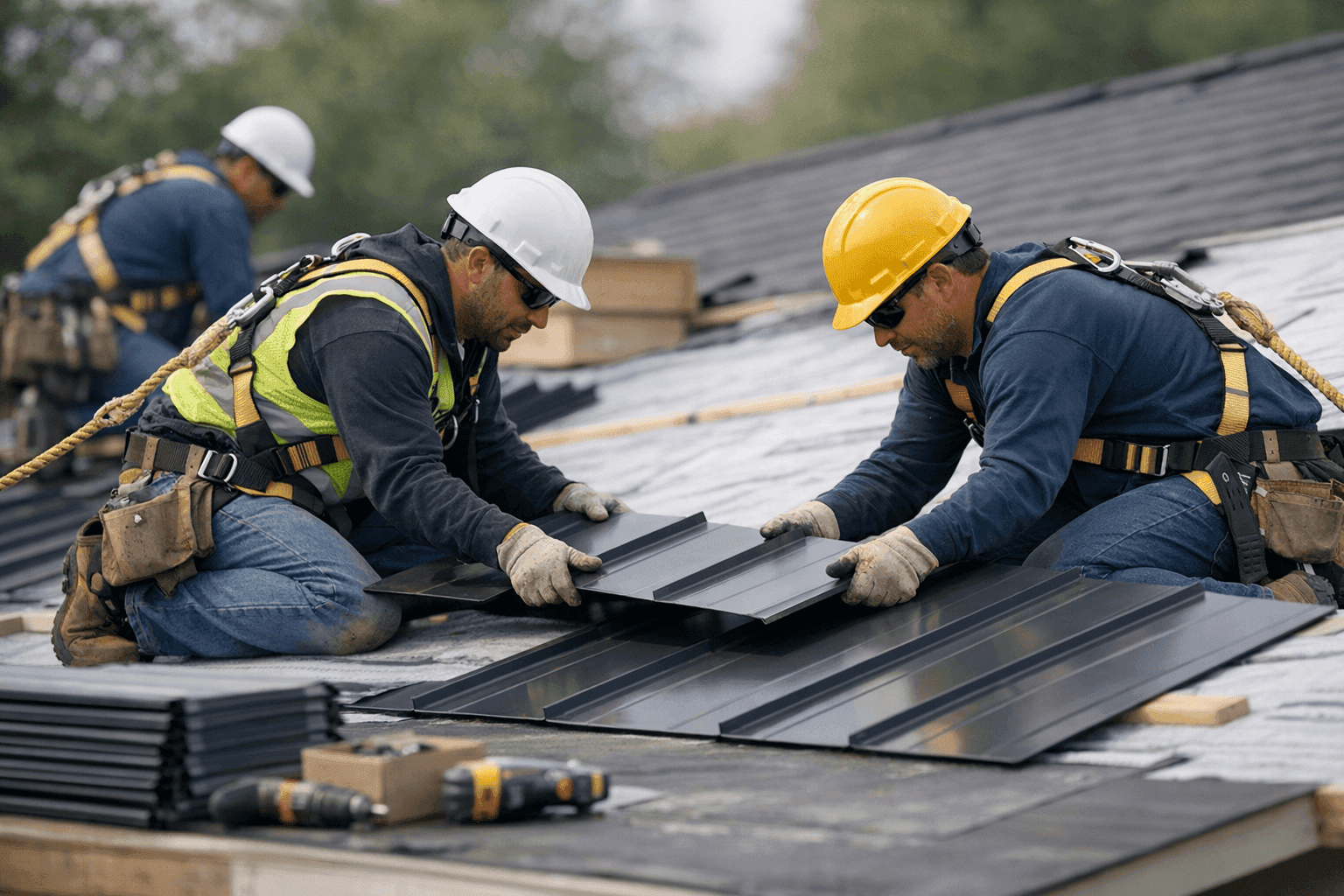
- Panel Placement: Panels or shingles are attached with specialized fasteners. Alignment is crucial—one crooked line can spell trouble.
- Flashing & Sealing: Chimney flashing, valleys, and edges need watertight attention.
For businesses, commercial roofing projects often demand special insulation and ventilation considerations. Each step must meet local building codes (see International Building Code Section 1507.4 for reference).
Ongoing Maintenance Tips
- Annual Inspections: Check for loose fasteners, small punctures, and worn sealant.
- Gutter Cleaning: Clogged gutters can back up water and damage the roof’s edge.
- Trim Branches: Overhanging limbs spell trouble, especially in storms.
- Touch-Up Scratches: Paint touch-ups prevent rust and keep your roof looking sharp.
Regular attention is the best defense. Think of it like caring for a classic car—routine maintenance keeps it on the road for years.
Longevity and Cost Factors
How Long Will It Last?
Metal roofs can outlive most homeowners. In our experience, a properly installed metal roof will last four to seven decades with minimal fuss. The protective coating is key; once that goes, rust follows. That’s why we recommend periodic inspections, especially after heavy weather.
What Does It Really Cost?
- Materials: Steel and aluminum are most common, but copper and zinc are available—for a price.
- Labor: Installation requires skill. Don’t be tempted by cut corners or bargain bids.
- Energy Savings: Upfront costs are higher, but you may see lower cooling bills and fewer repairs over time.
- Insurance: Some insurers offer discounts for metal roofs due to their fire resistance.
If you’re curious about options for metal roofing near you, it’s smart to compare total lifecycle cost—not just what you pay on day one.
Metal vs. Other Roofing Materials
Metal isn’t the only game in town. Asphalt is less expensive, but needs more frequent replacement. Tile offers beauty but weighs a ton—literally. Cedar shakes have charm but require regular upkeep. Metal sits in a unique spot: lightweight, long-lasting, and modern.
Energy Efficiency and Eco-Friendly Options
Metal roofs reflect sunlight, helping to keep buildings cooler in summer. Special coatings can boost reflectivity even more. Many products are made from recycled steel or aluminum—good news if you’re after eco-friendly roofing solutions.
For commercial spaces, energy efficiency can mean real savings on overhead. Some property owners even pair metal roofs with solar panels for a double win.
Signs of Trouble: What to Watch For
- Loose or Missing Fasteners
- Rust Spots or Discoloration
- Leaks Around Skylights or Chimneys
- Warped or Raised Panels
Don’t ignore these warning lights. Even small issues can lead to bigger problems down the line.
Quick Safety Checklist for DIYers
- Never walk on wet or icy metal roofing.
- Always use a harness and proper footwear.
- Keep tools tethered—dropped screws can become hazards.
- Turn off power to any rooftop equipment before inspecting.
If you’re ever in doubt, it’s safer to call in professional help.
When It’s an Emergency
Storms strike fast. If a branch punctures your roof or you spot a leak during a downpour, quick action is key. Temporary patching with a waterproof tarp can buy time. For those with properties in the Coeur d’Alene area, local emergency roofing services are available when the weather takes a turn.
Seasonal Considerations
Winter brings ice dams and heavy snow. Summer can mean expansion and contraction with every sunrise and sunset. Plan roof maintenance for spring and fall, when conditions are milder.
Common Mistakes to Avoid
- Improper Fastener Placement: Can lead to leaks or panel movement.
- Skipping Underlayment: Moisture is the enemy—don’t give it an inch.
- Ignoring Small Dents: Even minor damage can compromise the protective finish.
Timeline & Disruption: What to Expect
A typical metal roof installation takes 2–4 days for a residence, a bit longer for a large commercial property. There’s noise, some dust, and foot traffic—but a professional crew will keep disruption to a minimum.
Do You Need a Pro or Can You DIY?
While some handy homeowners tackle small repairs, full metal roof installation is best left to the pros. Precision matters, and mistakes are costly. Plus, proper installation protects your warranty.
Final Thoughts
Metal roofing isn’t for everyone, but for many, it’s a smart investment. It stands up to weather, adds curb appeal, and can cut down on maintenance headaches. The key is starting with the right team and keeping up with simple care.
Call Robert Foley Roofing now — or reach us anytime at 844-684-1881 .