Moss, Algae, and Debris: How to Keep Your Roof Clean
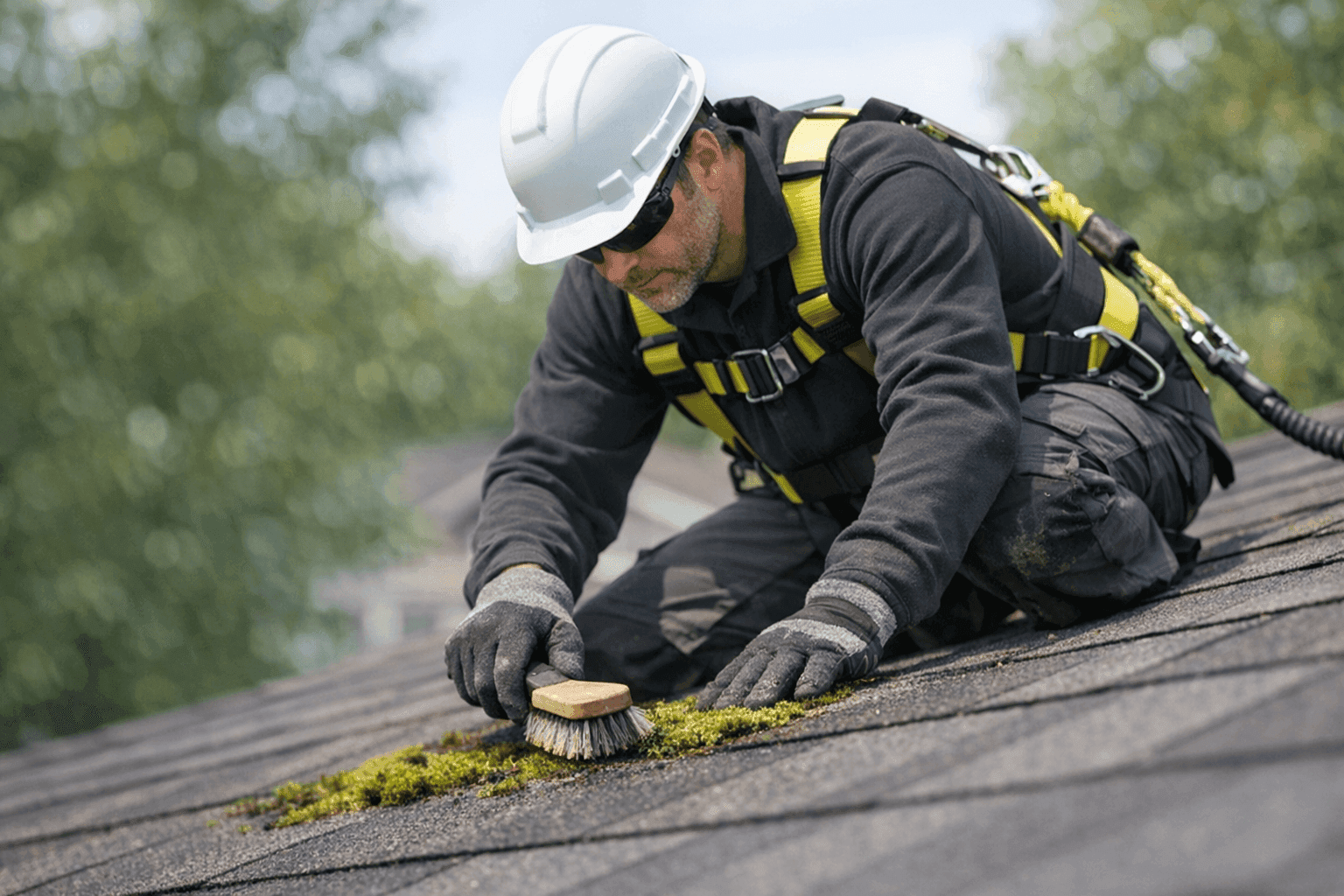
Is your roof starting to look a little green around the edges? Maybe you’ve noticed dark streaks or clumps of moss gathering in the shady spots. It’s more than a cosmetic issue—moss, algae, and debris can quietly chew away at your roof’s health.
At Robert Foley Roofing, we see it every week. Roofs that seemed fine last year now need major repairs because of unchecked growth and buildup. Let’s break down why these invaders are a real threat, how you can tackle them safely, and when it’s time to bring in the pros.
Why Moss, Algae, and Debris Spell Trouble
Think of your roof as a shield. Moss, algae, and debris are like slow leaks in a boat—left alone, they’ll sink you. Moss acts like a sponge, holding moisture against shingles and decking. Algae, those black or green streaks, can eat away at roofing material. Leaves and branches trap water, causing rot and inviting pests.
Over time, these problems lead to:
- Damaged shingles or tiles
- Rotting wood decking
- Clogged gutters and downspouts
- Leaks and water stains inside your home or business
- Shortened roof lifespan
Ignoring these issues is like ignoring a check engine light—eventually, you’ll pay the price.
Quick Safety Checklist Before You Start 🦺
Thinking of cleaning your roof yourself? Stop and run through this safety list first:
- Never work on a wet or icy roof.
- Always use a sturdy ladder with slip-resistant feet.
- Wear non-slip shoes and gloves.
- Never work alone—have someone nearby.
- Avoid power washing unless manufacturer-approved (it can void warranties).
- Use a safety harness if your roof is steep or high.
Check the Occupational Safety and Health Administration (OSHA) guidelines for residential roofing work before you climb.
DIY Roof Cleaning: What’s Safe, What’s Not
You don’t need a chemistry degree or a pressure washer to keep your roof clean. In fact, those can do more harm than good.
Safe DIY methods:
- Use a soft-bristled brush or broom to gently sweep away loose debris.
- Apply a 50/50 mix of water and plain household bleach to kill moss and algae (rinse thoroughly).
- Use manufacturer-approved cleaning products—always check your roofing warranty first.
What to avoid:
- High-pressure washing (can strip granules and damage shingles)
- Harsh chemicals not recommended by your shingle or tile manufacturer
- Scraping or chipping at moss (damages roofing material)
If you’re unsure, it’s better to pause than to risk costly mistakes.
When to Call an Expert
Sometimes, moss and algae dig in their heels. If the growth is thick, or if you see signs like curled shingles, soft spots, or leaks, it’s time for professional help. These are red flags that could mean water has already started to damage your roof’s structure.
In cases where the problem has gone beyond surface cleaning, our roof repair services can address deeper damage and help restore your roof’s integrity.
What Professionals Do When They Arrive
Professional roofers don’t just scrub and go. At Robert Foley Roofing, our process includes:
- Thorough inspection for hidden damage
- Manufacturer-approved cleaning methods
- Checking gutters, flashing, and ventilation
- Addressing any minor repairs on the spot
- Recommending preventative measures tailored to your roof’s material and style
We always follow safety codes and manufacturer specs to protect your home and your warranty.
Prevention: The Best Roof Cleaner Is a Good Plan 🌳
An ounce of prevention is worth a pound of repairs. Here’s how to keep moss, algae, and debris from moving in:
- Trim back overhanging tree branches to let sunlight dry your roof.
- Clean gutters and downspouts regularly to prevent water buildup.
- Install zinc or copper strips near the roof ridge—rainwater carries trace metals that prevent moss and algae growth.
- Schedule annual roof inspections to catch early signs of trouble.
- Make sure your attic has proper ventilation and insulation to reduce moisture.
These steps are simple but powerful. Like brushing your teeth, regular attention goes a long way.
Materials and Equipment: What You’ll Need
If you’re tackling minor cleaning yourself, gather:
- Soft-bristle brush or broom
- Garden hose (not a pressure washer)
- Safety ladder and harness (for steep roofs)
- Gloves, goggles, and non-slip shoes
- Bleach or manufacturer-approved cleaner
Never use metal tools or abrasive pads—they can gouge shingles, tiles, or metal panels.
How Much Time and Money to Expect
DIY cleaning a small patch may take an hour or two. A full roof, especially with heavy moss, can take a day or more. Professional cleaning varies by roof size, pitch, and material, but it’s usually a half-day job for most homes.
Costs depend on roof access, severity of the problem, and any repairs needed. Preventative cleaning and maintenance are always cheaper than waiting for leaks or rot.
When It’s an Emergency 🚨
If you notice water dripping inside, sagging ceilings, or large patches of moss after a storm, don’t wait. Water damage spreads fast. Emergency roof cleaning and repairs can prevent thousands in further damage.
For residents needing quick help, Brooklyn Park roofing services are available for urgent situations, especially after heavy weather.
Seasonal Considerations: Timing Your Roof Cleaning
Spring and fall are the best times to clean your roof. In spring, you’ll clear away winter debris and spot damage before summer storms. In fall, you can remove leaves and prep for snow and ice.
Avoid cleaning during extreme heat or cold. Shingles and tiles are more brittle in freezing weather and can be damaged by heavy foot traffic.
Common Mistakes to Dodge
- Using a pressure washer (voids many warranties)
- Ignoring safety gear
- Waiting until moss and algae are thick and established
- Overlooking gutters and downspouts
- Using unapproved chemicals
A little caution now saves headaches later.
Signs Your Roof Needs Attention
Watch for:
- Green or black streaks on shingles or tiles
- Clumps of moss, especially in shady spots
- Water stains inside your attic or ceiling
- Clogged gutters overflowing during rain
- Curled, cracked, or missing shingles
If you spot these, it’s time for a closer look.
How Inspections Help Catch Problems Early
Annual roof inspections are like a health checkup for your home or business. Professionals spot early signs of trouble you might miss—like loose flashing, cracked sealant, or hidden leaks. This keeps small issues from turning into big, expensive repairs.
Timeline and Disruption: What to Expect
Most roof cleaning jobs are done in a few hours. You may hear some noise, but there’s minimal disruption to your daily routine. For larger commercial roofing or severe cases, we’ll coordinate timing to keep your business running smoothly.
Decking Near You: Why Local Matters
Every region has its own roofing challenges. In humid climates, moss and algae thrive. In dry areas, windblown debris is the bigger problem. Local roofing teams understand the unique needs of your area and can recommend the best preventative strategies.
Final Thoughts: Keep Your Roof—and Wallet—Healthy
A clean roof isn’t just about curb appeal. It’s about protecting your investment and avoiding costly repairs. With regular cleaning, smart prevention, and professional help when needed, your roof will stay strong for years to come.
Call Robert Foley Roofing now — or reach us anytime at 844-684-1881 .