New Roof Installation: Step-by-Step Process and Mistakes to Avoid
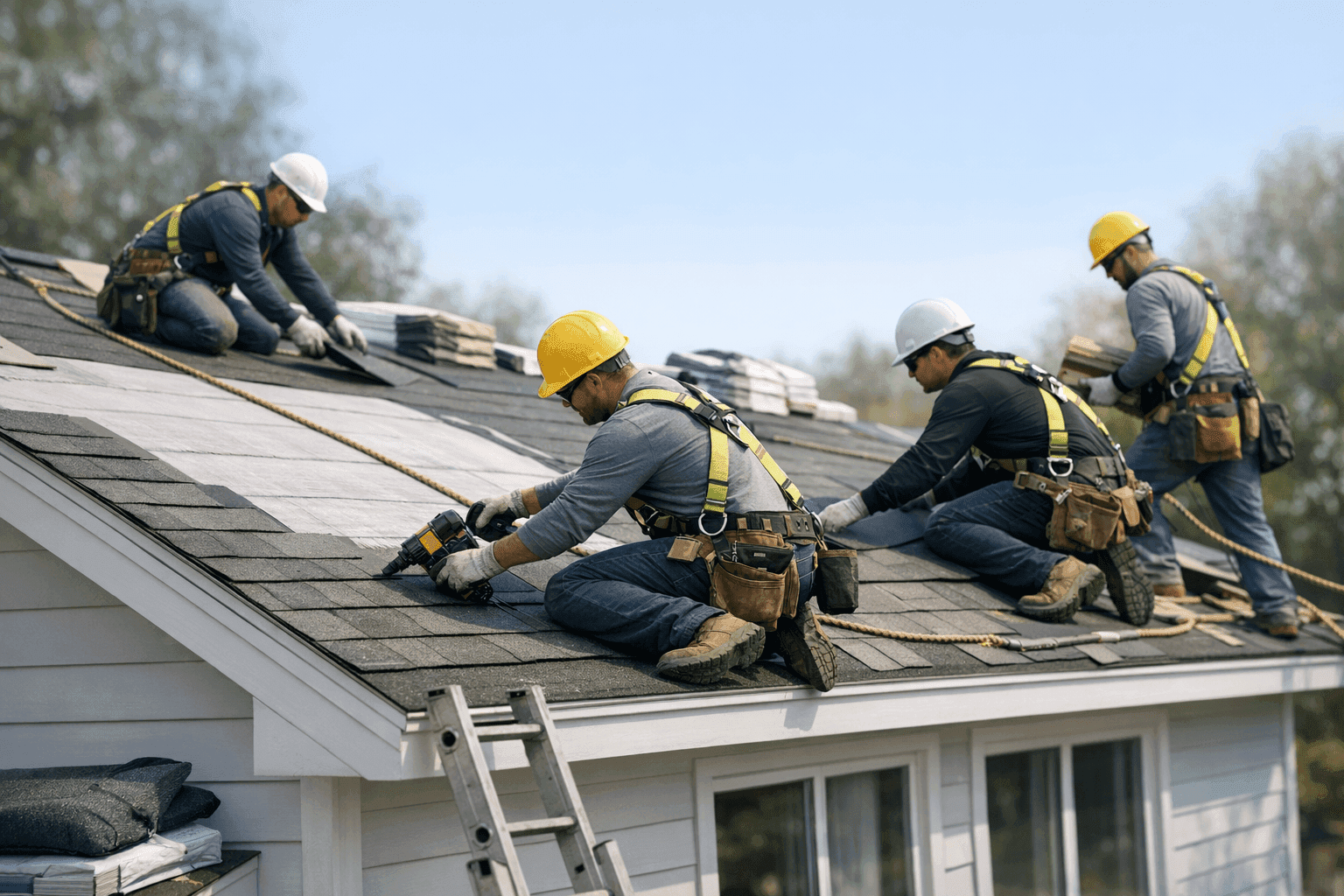
Replacing a roof is a big decision—one that can send stress levels through the rafters. You want strength overhead, not surprises. Whether you’re a homeowner or a commercial property manager, understanding each step matters.
At Robert Foley Roofing, we’ve seen what happens when shortcuts are taken. Roofs are more than shingles or metal—they’re the backbone of your building’s protection. Here’s how a new roof should be installed, what to expect, and the common slip-ups that can turn a smart investment into an expensive headache.
Planning for a New Roof
Before a single nail is driven, there’s groundwork to cover. Think of planning as laying out the blueprints for a safe journey.
- Inspection comes first. Every successful project begins with a thorough inspection. It’s like giving your home a check-up, looking for hidden issues—rot, mold, or structural weakness—that could derail the work.
- Material selection. Shingle, metal, tile, or flat? Each has its own pros, costs, and lifespans. The right choice depends on your climate, budget, and the look you want. Don’t forget about eco-friendly options, which can lower energy bills and reduce your footprint.
- Permits and code compliance. Local codes aren’t just red tape—they keep your investment safe and insurable. Professional installers always check city requirements and pull needed permits, following guidelines from organizations like the International Residential Code (IRC).
- Timeline and weather. A new roof can’t be rushed, but it’s also weather-dependent. Plan for a window of clear skies and minimal disruption to your home or business.
Preparation and Removal of Old Roofing 🧹
Preparation is like clearing the deck before a big game. Skipping this step invites trouble down the road.
Step-by-Step Prep
- Protect your property. The crew will cover landscaping, move outdoor furniture, and set up safety barriers. Think of it as putting on armor before the real battle begins.
- Strip the old roof. All old roofing materials—shingles, underlayment, flashing—are removed. Skipping this is like painting over rust; problems will resurface.
- Inspect the decking. Once bare, the roof decking is checked for rot, sagging, or damage. Any weak spots must be repaired or replaced before moving forward.
Tip: Ask your roofer about how they handle debris. Clean-up should be thorough, with magnets used to pick up stray nails.
Installation Steps and Best Practices
Now, the real transformation begins. A roof is built layer by layer—each part working together for strength and durability.
Laying the Foundation
- Ice and water shield: Especially important in colder climates, this waterproof membrane protects against leaks from ice dams and wind-driven rain.
- Underlayment: A secondary barrier, often felt or synthetic, that adds extra moisture protection.
Installing the Roofing Material
- Shingles, metal panels, or tiles are laid according to the manufacturer’s specs. Overlapping, nailing patterns, and fastener placement all matter—a missed detail can mean big leaks later.
- Flashing installation: Around chimneys, vents, skylights, and valleys, metal flashing is carefully fitted to direct water away from vulnerable areas.
- Ventilation and insulation: Proper airflow under the roof deck prevents condensation and extends the life of your roof. Insulation keeps energy bills in check.
Final Touches and Inspection
- Ridge caps and sealants: These finishing pieces lock everything in place and block wind and rain from sneaking in.
- Gutter and downspout check-up: Even the best roof needs a way to shed water. Make sure gutters are clear, attached, and draining away from the foundation.
- Professional inspection: Before calling the job done, a full walk-through ensures every detail is up to code and meets both manufacturer and local standards.
Common Mistakes and How to Avoid Them
Even the sturdiest material can’t fix a bad install. Here’s where many projects go sideways:
Rushing Through Preparation
Skipping the tear-off or not replacing damaged decking is one of the fastest ways to guarantee leaks. Always insist on a full inspection and repair before new materials go on.
Poor Flashing Installation
Think of flashing as the unsung hero of roofing. If it’s loose, misaligned, or omitted, water finds its way in. Always use corrosion-resistant flashing and ensure it’s installed tight and sealed.
Ignoring Ventilation Needs
A roof without proper venting is like a car without oil—it overheats and fails early. Make sure intake and exhaust vents are sized correctly for your attic or commercial space.
Wrong Fasteners or Patterns
Every shingle and panel has a specific nailing pattern. Improper placement leads to wind damage or material blow-off. Always follow manufacturer guidelines—not guesswork.
Overlooking Local Codes
Codes exist for a reason. They protect against wind, fire, and weather risks unique to your area. An unpermitted roof can void warranties or insurance claims, and may have to be redone.
DIY Shortcuts
Roofing isn’t just about laying shingles. It’s about layered protection, safety, and long-term value. Even experienced DIYers can miss critical steps—don’t gamble with your home’s shield.
When It’s an Emergency
Storms, fallen limbs, or sudden leaks can force your hand. In an emergency, quick action matters—temporary tarps, fast inspections, and rapid repairs can save you thousands in water damage.
If you’re in urgent need and looking for reliable help in your area, Owensboro’s trusted roofing professionals are ready to respond, ensuring your property is protected when it matters most.
The Timeline: What to Expect
A standard residential roof replacement usually takes one to three days—weather permitting. Commercial projects or specialty materials (like tile or slate) can stretch longer.
- Prep and removal: 1 day
- Deck repairs: Add time for major fixes
- Installation: 1–2 days, depending on size and complexity
Expect some noise, dust, and foot traffic. Pets and kids should stay indoors until work wraps up.
Safety and Quality Checklist 🦺
Roofing is dangerous work. Here’s what to look for:
- Workers using harnesses and safety gear
- Ladders and scaffolding set up securely
- Clean worksite, no debris left behind
- Final inspection with you present
The National Roofing Contractors Association (NRCA) and Occupational Safety and Health Administration (OSHA) offer excellent safety resources for both contractors and property owners.
Roof Materials: Picking What Lasts
Different materials, different strengths. Asphalt shingles are common, budget-friendly, and quick to install. Metal lasts longer and stands up to hail and wind. Tile and slate are beautiful and durable but require a beefier structure.
When in doubt, ask about warranties and lifespan. Sometimes, it pays to invest a little more for decades of peace of mind.
Roof Installation for Commercial Properties
Commercial roofing comes with its own set of challenges. Flat roofs, specialized coatings, and drainage systems demand experience and attention to detail. Whether it’s a simple office or a sprawling warehouse, make sure your contractor is familiar with materials like TPO, EPDM, or metal systems.
Preventative Maintenance: Protecting Your Investment
A new roof is just the start. Regular inspections, gutter cleaning, and quick repairs keep small problems from turning into big ones. Schedule annual check-ups—especially after storms or heavy winds—so your investment lasts as long as it should.
Seasonal Considerations 🌦️
Spring and fall are usually the best seasons for new roofing. Summer heat can soften materials, while winter brings its own set of risks—ice, snow, and slippery surfaces. Plan your project with the weather in mind for the best results.
Frequently Asked Questions
How do I know it’s time for a new roof?
Look for curling shingles, missing granules, leaks, or daylight peeking through the attic. If your roof is 20+ years old, it’s time for a professional opinion.
Should I stay home during installation?
You can, but expect noise. Sensitive pets or small children may do better staying elsewhere for a day or two.
Is a new roof a good investment?
Absolutely. A quality roof raises property value, slashes energy bills, and prevents costly water damage.
Get the Process Right: Start with Professionals
Roofing isn’t just labor—it’s craftsmanship. From planning to the final shingle, every step matters. If you’re ready for a new roof, see what goes into professional new roof installation and start with a team that sweats the small stuff.
Call Robert Foley Roofing now — or reach us anytime at 844-684-1881 .