Roof Cap Services: What They Are and Why They Matter
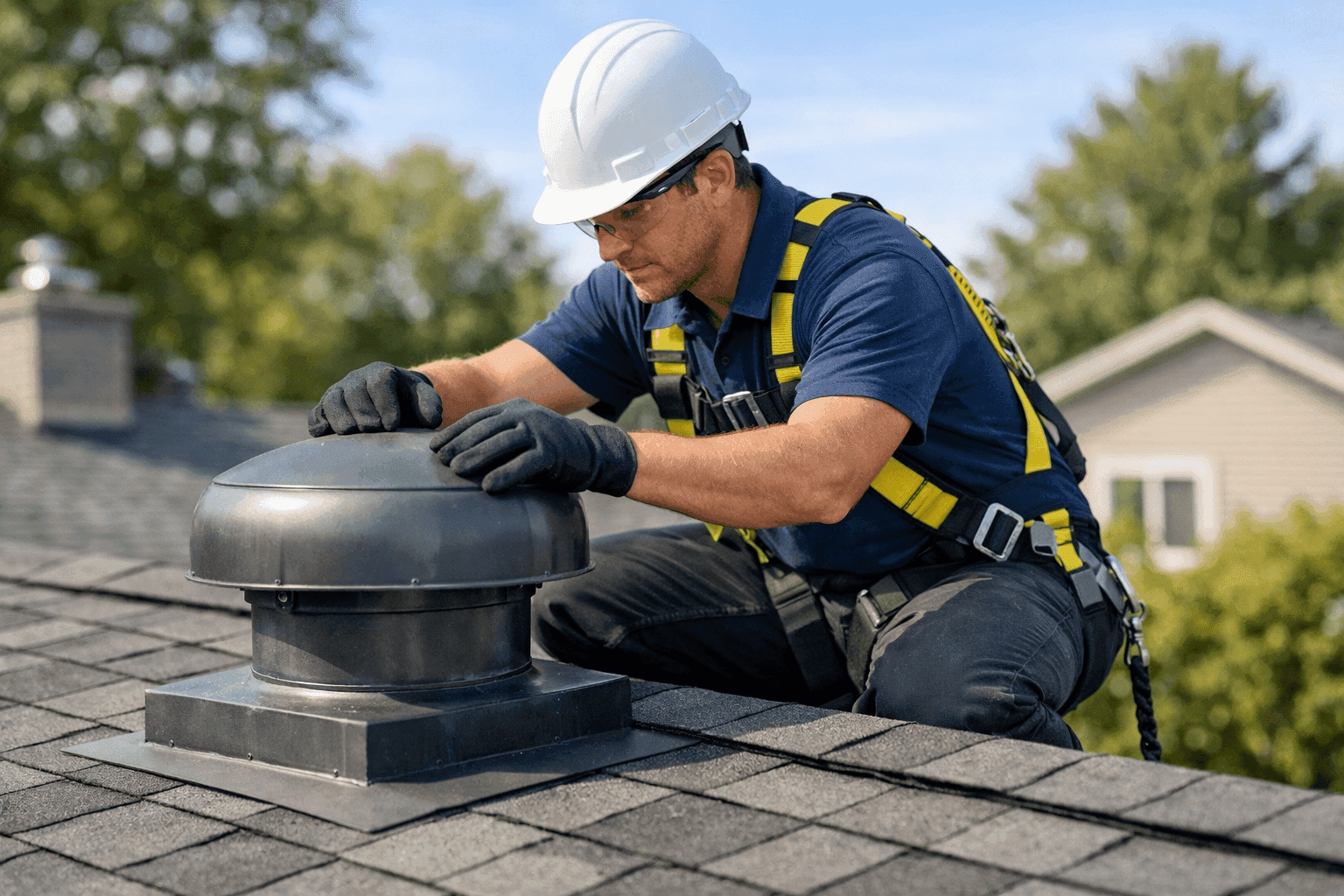
When rain pours or snow piles up, your roof is the shield that keeps everything dry and comfortable inside. But even the best roof is only as strong as its smallest parts. That’s where roof caps come in. Most people never think about these critical pieces—until something goes wrong.
At Robert Foley Roofing, we’ve seen how a tiny gap or crack in a roof cap can lead to big headaches. Let’s break down what roof caps are, why they matter, and how you can keep them in top shape.
What Is a Roof Cap? 🏠
Think of a roof cap as the hat your roof wears to keep out the weather. It’s the protective covering that sits at the highest points—ridges, hips, and sometimes over vents. Roof caps act as the finishing touch, sealing seams where two slopes meet and blocking rain, snow, and wind from sneaking in.
Roof caps come in different shapes and materials:
- Shingle caps: Match the style of asphalt roofs.
- Metal caps: Durable and common on metal or tile roofs.
- Vent caps: Specially designed to let air out but keep water out.
Their main job? Stop water from finding its way inside. Without a solid roof cap, even the best roof can develop leaks.
Why Roof Caps Matter More Than You Think
It’s easy to overlook roof caps, but they’re the unsung heroes of leak prevention. Like the zipper on a raincoat, they keep out the elements where your roof is most vulnerable. If a cap is missing or damaged, water can seep into your attic, rot wood, and even cause mold.
A strong roof cap:
- Extends the life of your roof
- Prevents costly water damage
- Keeps insulation dry and effective
- Maintains your home’s energy efficiency
Ignoring roof caps is like leaving your window cracked open during a storm. The risk just isn’t worth it.
Common Roof Cap Problems
Roof caps face the brunt of every storm. Over time, issues can pop up:
- Cracked or missing shingles on ridge caps
- Corrosion in metal caps, especially if not coated properly
- Loose fasteners after high winds
- Improper installation leading to gaps or overlaps
- Animal damage—squirrels and birds sometimes pry up caps to nest
These problems start small but can quickly snowball. A tiny crack can let in water, which freezes and expands, making the damage worse with each season.
Signs Your Roof Cap Needs Attention
How do you know if your roof cap is in trouble? Watch for these warning signs:
- Water stains on your ceiling after heavy rain
- Drafts or musty smells in your attic
- Visible gaps or lifted sections along the roof ridge
- Shingle granules piling up in your gutters
- Rust streaks or discoloration on metal caps
If you spot any of these, don’t wait. Quick action can save you from much bigger repairs down the line.
Quick Safety Checklist Before Inspecting
Before you grab a ladder, safety comes first:
- Wear shoes with good grip
- Check weather conditions—never inspect during rain, snow, or high winds
- Use a sturdy ladder and have someone nearby
- Avoid stepping directly on the ridge or cap area
Sometimes, it’s best to leave inspections to professionals, especially on steep or high roofs.
DIY vs. Call a Pro: Where to Draw the Line
Some maintenance tasks are safe for handy homeowners—like checking from the ground with binoculars or clearing debris. But when it comes to repairs, things can get risky fast. Roof caps are often at the highest, hardest-to-reach points. A misstep can mean injury or more roof damage.
If you notice damage, it’s wise to let a professional handle your roof repair. They’ll know how to spot hidden issues and fix them safely.
What Pros Do On Arrival
When a roofing technician from Robert Foley Roofing arrives, here’s what you can expect:
- A thorough inspection of the entire ridge, hips, and cap areas
- Checking for loose nails, cracks, and missing pieces
- Testing for water intrusion with moisture meters
- Assessing underlying decking and flashing for hidden damage
We follow building codes and manufacturer guidelines to ensure every repair meets safety and quality standards (refer to the International Building Code for more).
Repair and Maintenance Tips
Want to keep your roof cap in great shape? Here are a few tips:
- Clear off branches, leaves, and debris after storms
- Check for signs of animal activity
- Inspect after hail or high winds
- Schedule regular professional inspections—at least once a year
If you’re unsure about what you’re seeing, a quick call for cap services can prevent more serious issues.
Prevention & Maintenance: The Long Game
Regular maintenance pays off. Think of it like oil changes for your car—small investments now prevent big repairs later. Preventative steps include:
- Keeping gutters clean to avoid water backup
- Replacing damaged shingles or metal sections promptly
- Applying sealant or coatings as needed
Preventative care is especially important if you have complex features like skylights, chimneys, or multiple roof levels.
When It’s an Emergency: Act Fast
Sometimes, things go wrong fast—a tree limb falls, a storm rips off caps, or water starts dripping inside. In these moments, time is critical. Cover the area with a tarp if it’s safe, and call for emergency service.
If you live nearby, our Lenexa roofing services are available to help restore your roof quickly and limit further damage.
Seasonal Considerations for Roof Caps
Each season brings its own challenges:
- Spring: Check for winter ice damage and animal nests.
- Summer: Inspect after strong storms or hail.
- Fall: Clear leaves to prevent moisture buildup.
- Winter: Watch for ice dams and freeze-thaw cracks.
Staying ahead of the weather keeps small problems from growing.
Common Mistakes Homeowners Make
Even with good intentions, mistakes happen:
- Ignoring small leaks or stains
- Using the wrong materials for repairs
- Over-tightening fasteners, which can crack caps
- Skipping annual inspections
When in doubt, consult a roofing professional before tackling repairs yourself.
Costs & Time Factors
Roof cap repairs are usually quick—often just a few hours. Costs vary based on material and extent of damage. Catching problems early keeps expenses low. Delays can mean replacing not just the cap, but also decking and insulation underneath.
Materials and Equipment: What Matters
Quality materials make a difference. Asphalt, metal, or specialty caps each have their pros and cons. Professional roofers use weather-rated fasteners, sealants, and coatings to ensure a long-lasting fix. Always ask about material options that fit your roof type and climate.
Why Professional Cap Services Matter
Your roof is a system. Even the smallest gap at the ridge can let in water, pests, or cold air. Professional cap services go beyond patching—they assess the whole system, identify hidden risks, and use the right tools for a lasting result.
A trained eye can spot issues that homeowners miss. Plus, pros are up to date on the latest safety codes and best practices. That’s peace of mind you can count on.
FAQ: Roof Cap Edition
Q: How often should I have my roof caps inspected?
A: At least once a year, or after any major storm.
Q: Can damaged roof caps cause leaks?
A: Absolutely. Even small cracks or gaps can let in water.
Q: What’s the best material for roof caps?
A: It depends on your roof type—ask your roofer for recommendations.
Q: Are roof caps included in a full roof replacement?
A: Yes, reputable roofers always replace caps during a new installation.
Final Thoughts: Protect Your Roof, Protect Your Home
Roof caps may be small, but their job is huge. Regular care and timely repairs keep your roof strong, your home dry, and your investment safe. Whether you’re dealing with storm damage, a leak, or just want peace of mind, Robert Foley Roofing is here to help.
Call Robert Foley Roofing now — or reach us anytime at 844-684-1881 .