Roof Decking Repair: Signs of Damage and Restoration Steps
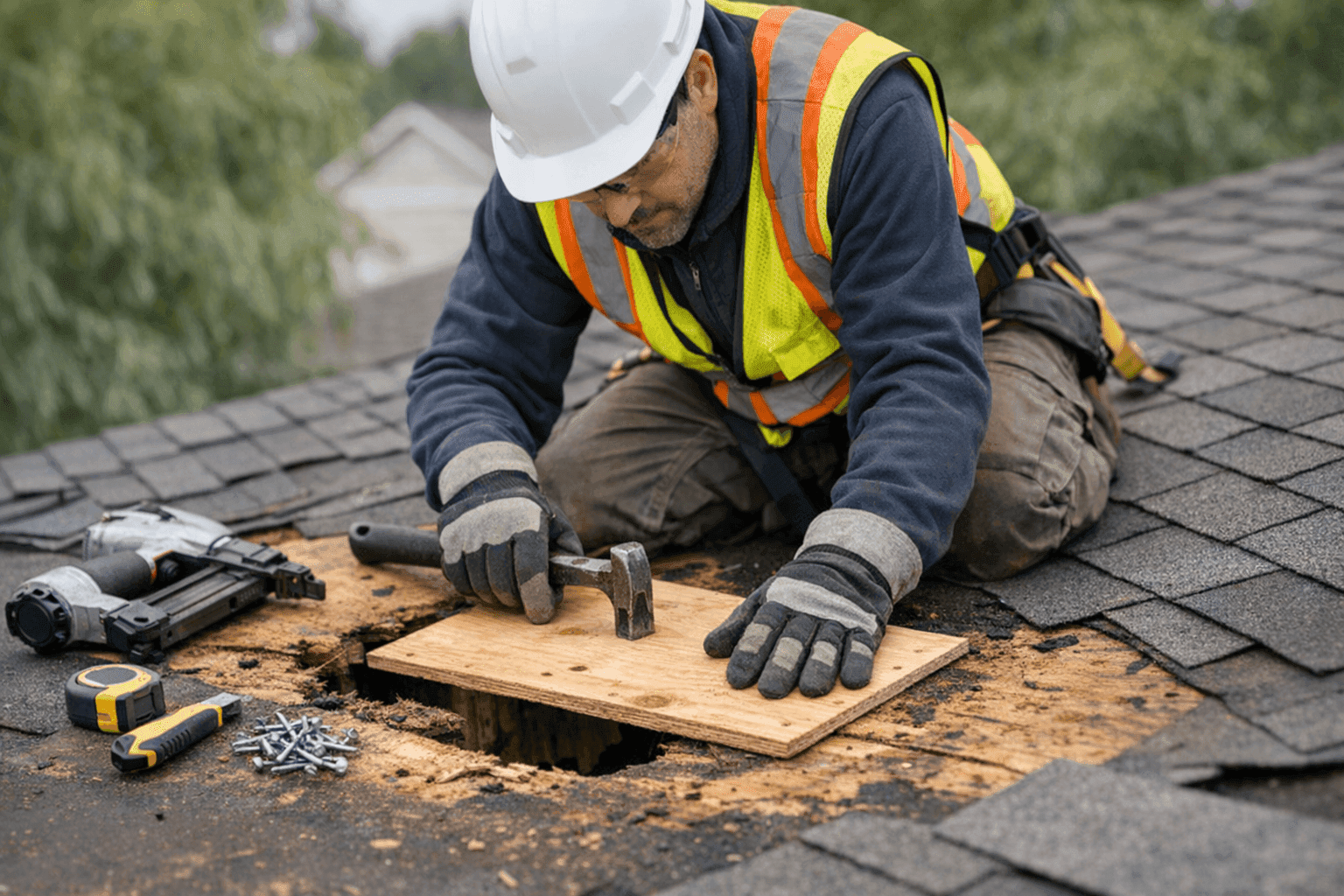
When your roof feels unstable, every storm or leak becomes a source of anxiety. At Robert Foley Roofing, we understand the sinking feeling when you spot stains on your ceiling or hear the telltale creak overhead. Roof decking damage isn’t just about looks—it’s about the bones of your home or business. Even the smallest weak spot can ripple out, threatening everything beneath it.
If you’re noticing problems, don’t wait. The longer decking issues go unaddressed, the more complicated—and expensive—they can become. Let’s walk through what decking really is, how to spot trouble, and how real restoration happens.
What Is Roof Decking? 🏠
Think of your roof decking as the sturdy wooden backbone of your roof. It’s the wide, flat surface—often made from plywood or oriented strand board (OSB)—that sits atop your rafters. Every shingle, tile, or metal panel rests on this foundation. If the decking is compromised, your entire roofing system is at risk.
- Decking is not the finish line. It’s the silent support holding everything together.
- It plays a vital role in load distribution, weatherproofing, and overall safety.
- Building codes like the International Residential Code (IRC) set standards for decking thickness and materials to ensure safety and durability.
Signs of Decking Damage
Some roof problems shout for attention. Others whisper and hide. Here’s what to watch for:
- Sagging or uneven roof lines: A roofline that looks like a roller coaster is a big red flag.
- Soft, spongy feel underfoot: If you walk on the roof (only if you’re trained and it’s safe), notice if it feels bouncy.
- Water stains on ceilings or walls: These often point to leaks that have traveled down from the decking.
- Mold or mildew smells in the attic: Moisture trapped in the decking can lead to musty odors and visible growth.
- Visible rot, dark spots, or crumbling wood: When seen from the attic or during an inspection.
- Nails popping out: Fasteners pushing through shingles may indicate shifting or warping below.
- Shingle or tile problems: Curling, missing, or cracked materials can signal hidden decking decay.
Even if you only notice one of these, it’s time to dig deeper. With roof decking, “wait and see” is a risk.
Quick Safety Checklist Before Inspection
Before you or a pro climbs up, pause:
- Check the weather: Never inspect a roof during rain, snow, or high winds.
- Use safety gear: Harness, non-slip shoes, and a stable ladder are non-negotiable.
- Look from the ground first: Binoculars can help spot sagging or missing shingles.
- Don’t go it alone: Make sure someone knows you’re inspecting.
If in doubt, call a professional. Decking damage can mean hidden weak spots that risk collapse.
DIY vs. Call a Pro
Some home fixes are perfect for a Saturday afternoon. Decking repair isn’t usually one of them.
- DIY: You might spot surface-level issues, but repairing the decking involves removing roofing materials, assessing structure, and ensuring watertight seals. It’s not just about wood—it’s about the layers above and below.
- Call a Pro: Roofing professionals bring the right tools, experience, and safety knowledge. They’ll spot underlying causes, not just symptoms.
For those ready to learn more, our decking service page breaks down the process and options for decking near you.
What Pros Do on Arrival
When Robert Foley Roofing arrives, here’s what you can expect:
- Full roof inspection: We check for visible and hidden damage, both outside and in your attic.
- Moisture mapping: Using moisture meters, we find damp areas you can’t see or feel.
- Structural assessment: We look for rafter or truss damage, not just the decking itself.
- Detailed report: You get a clear, jargon-free summary of the situation and the next steps.
Repair and Restoration Steps
Restoring roof decking isn’t just a patch job. It’s a careful, step-by-step process:
- Remove roofing materials: Shingles, tiles, or metal panels above the damaged area come off first.
- Identify and mark damage: All compromised decking sections are outlined for removal.
- Cut out and replace: Damaged wood is cut away. New, code-compliant panels are installed and securely fastened.
- Inspect underlying structure: Rafters or trusses are checked for hidden issues. If structural repair is needed, it’s addressed before reassembly.
- Install waterproof barriers: Underlayment and flashing are replaced to prevent future leaks.
- Reinstall roofing material: Shingles, tiles, or metal panels are carefully put back, matching as closely as possible.
Every step follows local building codes and industry recommendations, such as those from the National Roofing Contractors Association (NRCA).
Emergency Decking Repairs
Sometimes, roof decking fails suddenly—after a storm, tree fall, or major leak. In these moments:
- Don’t climb onto the roof.
- Move valuables from below the affected area.
- Call for emergency roofing help.
For homeowners and businesses in Peachtree Corners, emergency decking repair is available locally when fast action makes all the difference.
Costs and Timeline Factors
Decking repair costs and timelines depend on:
- Extent of damage: Small patches take hours; larger sections mean more time and labor.
- Roof type: Complex roofs (like tile or metal) require more careful removal and replacement.
- Access and safety: Steep or high roofs add complexity.
- Material selection: Upgrading to treated or eco-friendly decking materials can affect the budget.
Always request a detailed estimate. A reliable roofing company walks you through all costs and timelines upfront.
When It’s an Emergency
Certain situations demand immediate action:
- Sudden sagging after a storm
- Major leaks with visible water entry
- Signs of collapse or shifting structure
If you experience any of these, prioritize safety. Evacuate affected areas and contact a professional immediately.
Common Mistakes to Avoid
- Ignoring small leaks: Water travels fast, and a tiny drip can rot decking over time.
- Layering new materials over damaged decking: Covering up the problem only invites bigger issues later.
- Skipping professional inspections: Some damage hides below the surface.
Seasonal Considerations 🍂
Decking damage often shows up after heavy rain, snow, or storm season. Schedule inspections in spring or fall, when weather is mild and issues are easier to spot.
Preventing Future Decking Issues
An ounce of prevention keeps your roof’s backbone strong:
- Schedule annual inspections: A pro can spot early signs of wear before they spiral.
- Keep gutters clean: Blocked gutters cause water to back up and soak decking.
- Trim overhanging trees: Limbs can fall and damage decking, or drop leaves that encourage rot.
- Address leaks quickly: Even minor drips need attention right away.
- Choose quality materials: Invest in decking that meets or exceeds code requirements.
Regular roof repair and maintenance ensures your entire roofing system—not just the decking—stays healthy year-round.
Materials and Equipment: What Matters Most
- Decking panels: Plywood and OSB are most common; both must be rated for roofing use.
- Fasteners: Use roofing nails or screws designed for exterior wood.
- Underlayment: Essential for moisture protection.
- Sealants and coatings: Used to safeguard seams and prevent leaks.
Quality always counts. Using the right products (and installing them correctly) extends roof life and peace of mind.
Timeline and Disruption: What to Expect
Decking repairs can take anywhere from several hours to a few days, depending on the scope. Expect noise, dust, and some disruption to routines. A professional crew will keep the site clean and minimize downtime.
Frequently Asked Questions
How do I know if my roof decking is really the problem?
A professional inspection, especially from inside the attic, can confirm the source of your roofing trouble.
Can damaged decking be repaired, or does it always need replacement?
Localized damage can sometimes be patched, but widespread rot or sagging means full replacement is usually safer.
Is roof decking covered by insurance?
It depends on your policy and the cause of damage. Check with your provider.
How often should decking be inspected?
At least once a year, and after any major storm or leak.
Final Thoughts
Roof decking is the unseen hero of every safe, dry building. Don’t let hidden problems undermine your comfort or investment. With prompt attention and the right restoration steps, your roof can stand strong through any weather.
Call Robert Foley Roofing now — or reach us anytime at 844-684-1881 .