Roof Flashing Repair: Fixing the Hidden Cause of Roof Leaks
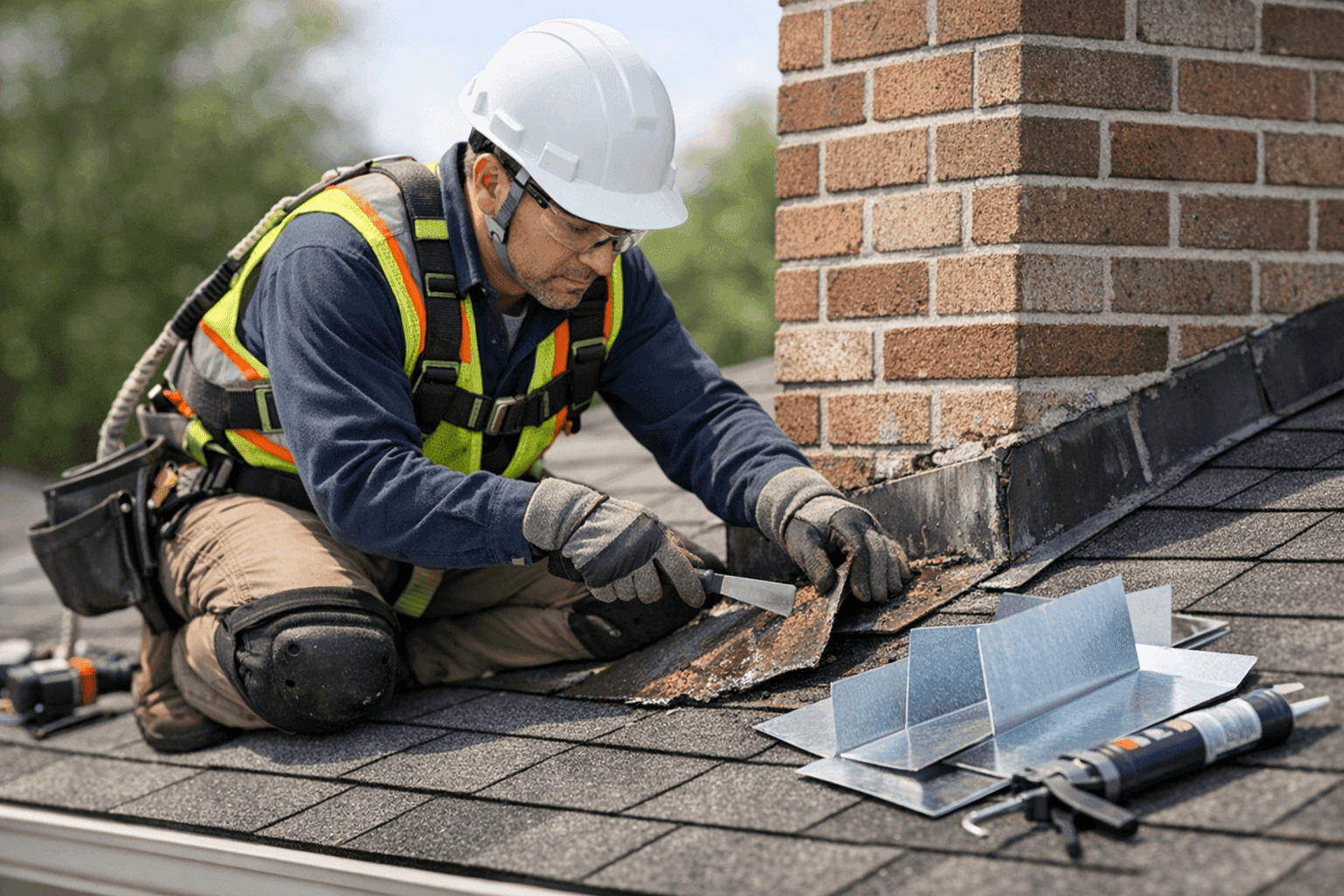
Every roof tells a story. Sometimes, the plot twist comes as an unexpected leak—right over your favorite chair, or worse, your business equipment. The culprit? Often, it’s not the shingles or tiles, but the thin strips of metal you hardly ever see: the roof flashing.
At Robert Foley Roofing, we know how easily a small flashing issue can spiral into major water damage. Let’s dig into why flashing matters, the warning signs of trouble, and how to keep your roof watertight for years.
What Is Roof Flashing?
Imagine your roof as a castle. The walls (shingles, tiles, or metal panels) keep out most invaders. But the real weak spots are where two surfaces meet—chimneys, skylights, vents, valleys, or roof edges. Flashing is the armor at those joints. Usually made from metal (aluminum, galvanized steel, or copper), these strips direct water away from seams and vulnerable spots, steering it safely into gutters or downspouts.
Why Flashing Fails: The Hidden Danger
Time is tough on flashing. Weather, shifting houses, and even small critters can loosen it. Sometimes, the original installation used the wrong materials or skipped steps. Like a loose shoelace on a long hike, a little problem gets bigger with every storm.
Common reasons for flashing failure include:
- Old age and corrosion (especially in humid or coastal climates)
- Improper installation or cheap materials
- House settling or roof movement
- Ice dams forcing water under the flashing
- Wind lifting or bending the metal
- Roofers or contractors accidentally damaging flashing during other work
Where Flashing Works Hardest
Flashing hides in all the roof’s trickiest spots:
- Chimney bases and sides
- Plumbing vents and exhaust pipes
- Skylights and roof windows
- Valleys where roof sections meet
- Around dormers and roof edges
- Wall intersections (where roof meets siding)
Each location needs flashing shaped and sealed to fit perfectly—no shortcuts. Even a tiny gap can let water sneak inside.
Signs Your Flashing Needs Repair 🛑
Don’t wait for a downpour to find out something’s wrong. Watch for these early warning signs:
- Water stains on ceilings or walls, especially near chimneys or skylights
- Rust streaks or visible corrosion on flashing metal
- Damp attic insulation or musty smells after rain
- Cracked, bent, or missing flashing sections
- Gaps between flashing and roofing material
- Drips or puddles forming after a storm
- Mold or mildew growth in upper floors or attic
If you spot any of these, it’s time to act.
Quick Safety Checklist: Before You Climb
- Never go on a wet or icy roof
- Use a sturdy ladder on flat, stable ground
- Wear soft-soled shoes for grip
- Avoid stepping near roof edges or skylights
- If in doubt, call a professional
The National Roofing Contractors Association (NRCA) recommends regular visual checks from the ground or attic, especially after severe weather.
DIY or Call a Pro? When to Get Help
Minor caulking or debris removal might be safe for a handy homeowner. But real flashing repair is precision work. Like patching a boat hull, it needs the right materials, proper overlap, and watertight sealing—or you’ll be bailing water again soon.
Professional roofers bring:
- Experience shaping and installing flashing on all roof types
- Knowledge of building code and manufacturer requirements
- Specialized tools and safety equipment
- Quick diagnosis of hidden leaks and water paths
If in doubt, let a pro handle it. For stubborn or recurring leaks, our roof flashing repair service pinpoints the source and restores protection quickly.
What Happens During a Professional Flashing Repair?
Here’s what to expect when you call Robert Foley Roofing:
- Inspection: We start with a close look, inside and out. Sometimes, water travels far from where it enters.
- Removal: Damaged or corroded flashing is carefully taken out. We check for hidden wood rot or soaked insulation.
- Surface Prep: The area is cleaned and dried. Any old sealant or debris is removed.
- Material Selection: We use code-approved metals—usually galvanized steel, copper, or aluminum, depending on your roof.
- Precise Installation: Flashing is shaped, overlapped, and fastened with corrosion-resistant nails or screws.
- Waterproof Sealing: High-grade caulks or roof sealants finish the job.
- Final Leak Test: We check our work with water or weather simulation so you know your roof is dry.
Materials Matter: Choosing the Right Flashing
Not all flashing is created equal. The best material depends on your roof type, climate, and budget.
- Galvanized Steel: Durable, affordable, resists rust, great for most applications.
- Aluminum: Lightweight, easy to shape, but can corrode if mixed with certain roofing materials.
- Copper: Lasts decades, looks great, but is pricier.
- PVC or Rubber: Sometimes used for vent pipes or specialty details.
We use heavy-gauge metals and modern sealants that handle freeze-thaw cycles, heavy rain, and high winds. The goal: a repair that outlasts the next storm.
Common Mistakes That Shorten Flashing Life ⚡
- Using roof cement alone instead of replacing faulty flashing
- Overlapping joints incorrectly
- Failing to seal nail or screw heads
- Mixing incompatible metals (can speed up corrosion)
- Not extending flashing far enough under shingles or siding
These mistakes are like patching a tire with duct tape—it might hold for a bit, but eventually, it fails.
How Long Does Flashing Repair Take? What’s the Disruption?
Most flashing repairs take less than a day. For simple leaks at a vent or pipe, it can be a few hours. Chimney or valley repairs may take longer, especially if wood rot is discovered.
You may notice some hammering or foot traffic, but good roofers work to minimize disruption. Most homes and businesses don’t need to close or move out during service.
When It’s an Emergency (and When It’s Not)
If water is pouring in, ceilings are sagging, or electrical fixtures are wet—call for emergency help. Flashing leaks can trigger dangerous mold growth or fire hazards if ignored.
For urgent repairs, Robert Foley Roofing offers rapid response. Residents needing quick attention can check our Bowling Green service area for timely local support.
Preventing Future Flashing Trouble
An ounce of prevention is worth a pound of buckets under leaks. Here’s how to keep flashing strong:
- Schedule annual roof inspections (especially after major storms)
- Clean gutters and downspouts to prevent water backup
- Trim tree branches away from roof edges
- Replace cracked sealants or caulk before they fail
- Watch for signs of animal or insect damage
Building codes (like the International Residential Code) set standards for flashing installation—good pros follow these, not shortcuts.
Seasonal Considerations: Weather and Flashing
- Spring & Summer: Heavy rain reveals leaks; ideal time for repairs.
- Autumn: Falling leaves can clog gutters and trap water near flashing.
- Winter: Freeze-thaw cycles and ice dams put extra stress on seams. Schedule checks before snow hits.
Frequently Asked Questions
How often should flashing be replaced?
With quality materials and installation, flashing can last as long as your roof. But roofs settle, storms happen, and periodic replacement is normal—especially at chimneys or valleys.
Can I reuse old flashing?
Rarely. Once flashing is bent, rusted, or full of nail holes, it won’t seal well again.
Are all leaks caused by flashing?
No, but flashing is a top suspect—especially when leaks appear near joints or penetrations.
Decking Near You: What If the Damage Goes Deeper?
Sometimes, water under bad flashing soaks the wood deck below. That’s when you may need more than flashing repair—think of it as fixing the roof’s foundation, not just its armor. At Robert Foley Roofing, we assess all layers to make sure your roof is sound from decking up.
Ready to Solve Those Sneaky Leaks?
Flashing may be “out of sight,” but it shouldn’t be out of mind. Spotting the signs early and acting fast keeps small repairs from becoming big headaches. Whether it’s a home, business, or new construction, we have the skills and durable materials to keep your building dry.
Call Robert Foley Roofing now — or reach us anytime at 844-684-1881 .