Roof Inspections: What to Expect and Why They Matter
Roofs are like the silent guardians of our homes and businesses. We rarely notice them—until something goes wrong. A sudden leak in a rainstorm or shingles scattered after the wind has its say. That’s when the true cost of neglect hits home.
At Robert Foley Roofing, we’ve seen how regular roof inspections can be the difference between minor fixes and major headaches. Whether you’re a homeowner, a property manager, or a business owner, understanding what a roof inspection actually involves—and why it matters—can save you time, money, and stress.
The Real Reason Roof Inspections Matter
Think of your roof like a shield. Over time, even the best shields take hits: wind, rain, hail, UV rays, and debris. Small problems—like a loose shingle or a clogged gutter—can snowball into big trouble if left unchecked. Regular roof inspections spot these issues before they grow teeth.
Inspections aren’t just for old or damaged roofs, either. Even brand-new installations need a checkup. Construction missteps, material defects, or storm damage can lurk out of sight, waiting to surprise you.
What Happens During a Professional Roof Inspection? 🕵️
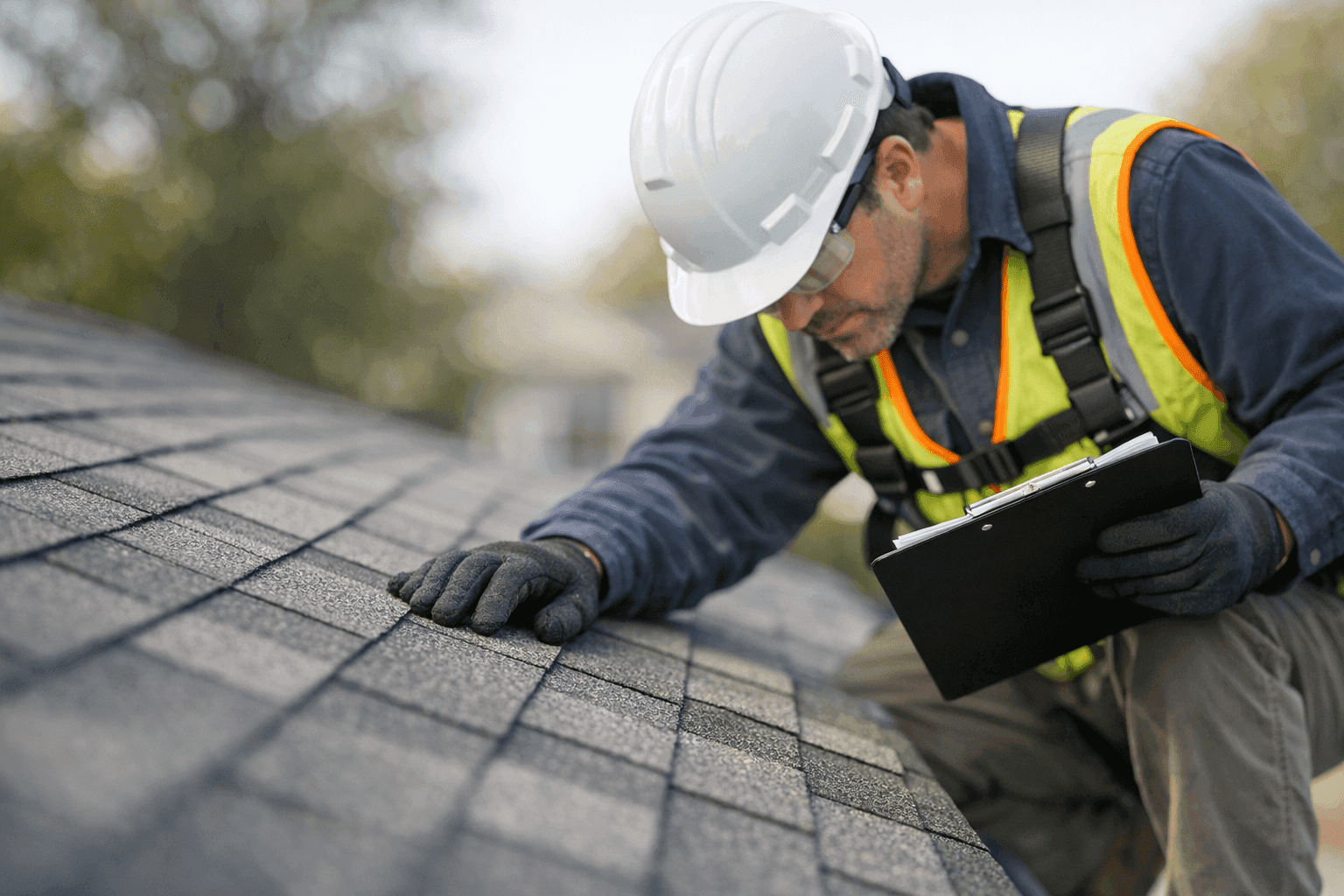
A professional inspection is more than a quick glance from the driveway. Here’s what our trained eyes look for:
- Roof Surface: Shingles, tiles, or metal panels get a close look for cracks, curling, loose fasteners, or signs of wear.
- Attic & Interior: Inside, we check for water stains, mold, insulation issues, and proper ventilation.
- Flashing & Chimneys: Metal flashing and chimney bases are favorite hiding spots for leaks. We ensure they’re sealed tight.
- Gutters & Downspouts: Clean, clear drainage is vital. We look for blockages, sagging sections, and proper attachment.
- Structural Soundness: Rafters, decking, and the overall structure need to hold strong—no bowing or rot allowed.
Every inspection ends with a detailed report: photos, notes, and clear explanations. No smoke and mirrors—just real findings, so you know exactly where you stand.
When Should You Schedule a Roof Inspection?
- After major storms: High winds, hail, or heavy rain can cause hidden damage.
- Twice a year: Once in spring and once in fall. This catches seasonal wear and preps your roof for extreme weather.
- Before buying or selling property: No one likes last-minute surprises. An inspection provides peace of mind.
- If you spot warning signs: Leaks, stains on the ceiling, missing shingles, or unexplained spikes in energy bills.
A scheduled inspection is a smart investment. Waiting until you see water dripping from the ceiling? That’s an emergency—and it costs more.
Most Common Issues Uncovered
You might be surprised at what turns up during an inspection. Common culprits include:
- Missing, broken, or cracked shingles/tiles
- Damaged or rusted flashing
- Clogged or detached gutters and downspouts
- Moss and mold growth
- Poor attic ventilation or insulation
- Hidden leaks and water stains
- Sagging roof lines or soft decking
These problems might seem minor, but over time they can cause structural rot, mold infestations, and costly repairs.
Old Roof, New Roof—Both Need Attention
A new roof may look perfect, but appearances can be deceiving. Even the best materials or installations can hide defects. Manufacturers often require documented inspections for warranty claims. Old roofs, on the other hand, show wear more obviously but can still surprise you.
Inspections are the bridge between peace of mind and unexpected chaos, no matter the roof’s age.
What Sets a Qualified Inspector Apart?
Not all eyes see the same things. At Robert Foley Roofing, our inspectors are trained to current building codes (like the International Building Code and OSHA safety standards) and experienced in both residential and commercial roofing. We know the difference between a cosmetic flaw and a structural risk.
You’ll get a transparent report, explained in plain English. We’ll walk you through photos, findings, and practical solutions. No upselling. No scare tactics.
DIY Checks vs. Calling a Pro
A walk around your house can sometimes reveal obvious issues: loose shingles, clogged gutters, or branches scraping the roof. But most problems hide in places you can’t—or shouldn’t—go. Climbing ladders and walking on roofs is risky without the right gear and training. Leave the deep dive to professionals, and keep your feet on the ground.
Quick Safety Checklist Before Your Inspection
- Clear the driveway and yard of obstacles for ladder access
- Secure pets indoors
- Move vehicles away from the house
- Share any interior leak locations with your inspector
- Don’t attempt to access the roof yourself
A little preparation makes the process faster and safer for everyone.
Preventative Maintenance: The Long Game
Inspections are just one part of a solid maintenance plan. Regular cleaning, repairing small issues, and keeping gutters clear can double the life of your roof. Over time, this saves thousands on repairs and replacements. Preventative steps really do pay off.
Learn more about our preventative maintenance services and how they fit into your long-term roofing health.
What’s the Timeline and Impact?
Most roof inspections take one to two hours, depending on your roof’s size and complexity. For commercial properties or larger residential homes, it might take longer. You won’t have to vacate your property. Disruption is minimal—just a little noise from footsteps overhead and perhaps the sound of our ladder.
When It’s an Emergency 🚨
Sometimes, waiting isn’t an option. If you notice sudden leaks, water pouring down walls, or pieces of your roof missing after a storm, you need help fast. Our emergency team is ready around the clock.
We’re available for urgent needs in your area, including Metairie and surrounding neighborhoods.
Seasonal Considerations: Timing Is Everything
Extreme temperatures—hot or cold—can make minor roof issues much worse. Spring and fall offer the safest windows for inspections, but after a big storm, don’t wait. Addressing problems early keeps repair costs low and your property protected year-round.
Frequently Asked Questions
How much does a roof inspection cost?
Costs vary depending on size, type, and condition of your roof. It’s always less than the price of major repairs.
Do I need to be present during the inspection?
It’s helpful, but not required. We’ll provide a thorough report and walk you through any findings.
Can a roof pass inspection but still have problems later?
Yes—roofs age and weather quickly. That’s why regular, scheduled inspections are so important.
Common Mistakes to Avoid
- Ignoring small leaks or missing shingles
- Relying solely on DIY checks
- Skipping inspections after storms
- Forgetting about gutters and downspouts
Stay proactive, not reactive. Regular inspections are the best way to keep your shield strong.
Ready for Peace of Mind?
Knowledge is power when it comes to your roof. A thorough inspection today can prevent tomorrow’s big repair bill—and keep your property safe, dry, and comfortable.
If you’d like to dig deeper into our approach, check out our roof inspections service page.
Call Robert Foley Roofing now — or reach us anytime at 844-684-1881 .