Roof Leak Prevention: Stop Problems Before They Start
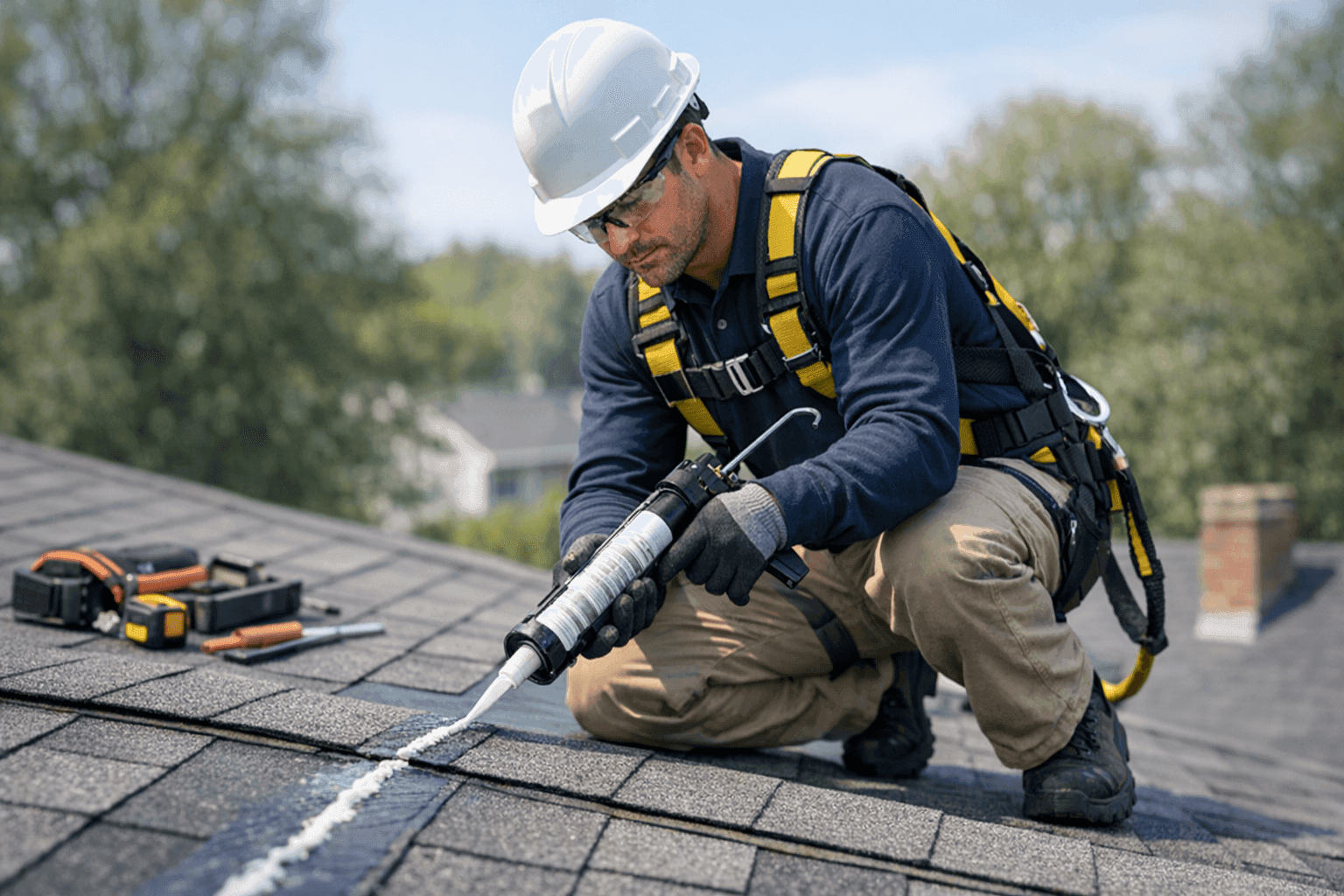
Is that drip, drip, drip keeping you up at night? You’re not alone. Every year, thousands of homeowners and businesses face the headache of roof leaks. Some start as a tiny stain on the ceiling—others pour in during the worst storms. Both spell trouble if left unchecked.
At Robert Foley Roofing, we know that a dry building isn’t just about comfort. It’s about protecting your investment, preventing mold, and keeping energy bills in check. Prevention is not only possible—it’s practical.
Why Roof Leaks Happen
Roofs are like shields, but even the best shields can crack. Here’s why leaks often sneak in:
- Age and Wear: Materials break down. Shingles curl, tiles crack, and seams open up, especially after years of sun and storms.
- Flashing Failures: Flashing (the thin metal strips around chimneys, vents, and valleys) can pull away or rust out, leaving a gap for water to find.
- Clogged Gutters: Leaves and debris block water flow. Overflow backs up under shingles or behind siding.
- Poor Installation: A roof is only as good as the hands that built it. Sloppy work leads to future problems.
- Foot Traffic & Impact: Heavy storms, hail, or even walking on the roof can create weak spots.
Think of your roof like a raincoat. One tiny tear, and suddenly you’re soaked.
Key Prevention Steps for All Roof Types 🛡️
It doesn’t matter if you have shingles, metal, tile, or a flat roof. Prevention follows the same golden rules:
Keep Water Moving Away
- Clean Gutters and Downspouts: Twice a year is the minimum. Spring and fall are critical.
- Check for Ponding: Flat roofs are especially vulnerable. Pooled water can seep in over time.
Inspect Flashings and Seals
- Look for Gaps or Rust: Around chimneys, skylights, and vent pipes.
- Replace Damaged Flashing: If it’s loose, corroded, or missing, water will find its way in.
Replace Worn or Broken Materials
- Shingles: Curling, missing, or cracked? Time for a fix.
- Tiles: Look for breaks or displacement, and reset or replace as needed.
- Metal Roofs: Watch for loose fasteners and lifted seams.
Trim Overhanging Branches
- Debris Buildup: Leaves trap moisture, which can rot roofing materials.
- Physical Damage: Limbs scraping or falling can puncture or dislodge roofing.
Mind the Details
- Chimney & Cap Maintenance: Proper cap services and chimney flashing prevent water from sneaking in around masonry.
- Gutter Installation & Repair: Direct water away and avoid foundation issues.
Maintenance and Inspection Schedule
Routine checks are your roof’s best friend. Think of it like a wellness checkup.
When to Inspect
- Twice a Year: Early spring and late fall are best.
- After Major Storms: High winds, hail, or heavy snow? Give your roof a once-over.
What to Look For
- Interior Signs: Water stains on ceilings or walls, musty smells, peeling paint.
- Exterior Signs: Missing shingles, granules in gutters, sagging spots, or moss growth.
- Around Openings: Check skylights, vents, and flashing for gaps or cracks.
DIY or Call a Pro?
Some things you can spot from the ground or attic. But for steep roofs, complicated issues, or commercial properties, it’s wise to bring in a roofing professional. Not only is it safer, but you’ll catch issues before they turn into emergencies.
When to Use Sealants and Coatings
Sealants and coatings are like sunscreen for your roof. They provide a protective layer that blocks out moisture and extends the life of your materials.
- Flat Roofs: Coatings are especially helpful for flat or low-slope roofs, where pooling water is common.
- Metal and Shingle Roofs: Specialized sealants stop leaks at seams, fasteners, and minor cracks.
- Around Skylights and Flashings: A fresh bead of sealant can close up small gaps.
When applied correctly—following manufacturer specs and safety codes (see National Roofing Contractors Association guidelines)—these products can make a real difference. A professional application is key for lasting results. If you're curious about the types of advanced products available, see our sealants and coatings options.
Common Mistakes That Invite Leaks
It’s easy to cut corners—but your roof will notice.
- Ignoring Small Leaks: That tiny drip can rot wood, ruin insulation, and create mold.
- Delayed Gutter Cleaning: Blocked drainage is a leak’s best friend.
- DIY Gone Wrong: Overapplying sealant or misplacing flashing can do more harm than good.
- Walking on the Roof: Unless you’re trained, you could cause damage without realizing it.
Signs of Trouble: What to Watch For 👀
Leaks rarely announce themselves with a drumroll. Stay alert for:
- Discolored Ceiling Spots
- Dripping Sounds During Rain
- Bubbling Paint or Wallpaper
- Musty Odors in Attic or Top Floors
- Visible Mold or Mildew
These are your early warning bells. Don’t ignore them.
Timeline & Disruption: What to Expect During Repairs
Worried about chaos? Here’s what usually happens:
- Minor Repairs: Most leak repairs or sealant touch-ups take less than a day.
- Larger Issues: Replacing flashing, decking, or large roof sections may take a few days.
- Noise & Access: Expect some noise and a few blocked areas, but most businesses and homes remain livable.
- Safety: Licensed roofers follow OSHA safety guidelines, using harnesses and barriers to keep everyone safe.
When It's an Emergency (and Local Help)
Some leaks can wait a day. Others need fast action—especially after a severe storm or if water is pouring in. If you’re in the region and need fast assistance, you’ll find responsive local support through our Minot emergency roofing team, who understand urgent leak repairs.
Seasonal Considerations: Stop Leaks Year-Round
Each season has its risks:
- Spring: Melting snow, heavy rain. Inspect for winter damage.
- Summer: Heat and UV fry shingles. Watch for curling or splitting.
- Fall: Falling leaves clog gutters. Clear them before winter.
- Winter: Ice dams form at roof edges. Keep attic ventilation and insulation in check to prevent them.
Preparing for Service: Make It Easy (and Safe)
- Clear the Area: Move cars, outdoor furniture, and valuables away from the house.
- Secure Pets: Construction noise can stress animals.
- Notify Building Occupants: In commercial settings, let staff or tenants know about work schedules.
Materials, Equipment, and Safety
Professional roofers use specialized tools—ladders, harnesses, moisture meters, and protective gear. For homeowners, a sturdy ladder, gloves, and binoculars can help with basic inspections. Always follow ladder safety rules from the Occupational Safety and Health Administration (OSHA).
FAQs: Fast Answers to Common Leak Questions
How often should I check my roof?
Twice yearly, plus after major storms. Look for visible signs outside and water stains inside.
Can I fix a leak myself?
Small issues, like a missing shingle or gutter cleaning, can be DIY. For anything involving flashing, structural repair, or steep roofs, call a professional.
Will new sealant stop every leak?
Sealant is best for tiny gaps or seams. Bigger leaks may need flashing repair or material replacement.
Does my insurance cover leak repairs?
Most policies cover sudden damage, not gradual wear. Check with your provider for details.
Don’t Wait Until It’s Too Late
A roof leak is more than a nuisance—it’s a warning. With regular inspections, good maintenance habits, and the right products, you can keep your home or business safe and dry. If you need help choosing the best prevention methods, Robert Foley Roofing is ready to answer your questions and provide reliable service, whether you need decking, leak repair, or sealants and coatings.
Call Robert Foley Roofing now — or reach us anytime at 844-684-1881 .