Roof Repair vs. Replacement: How to Decide and What to Expect
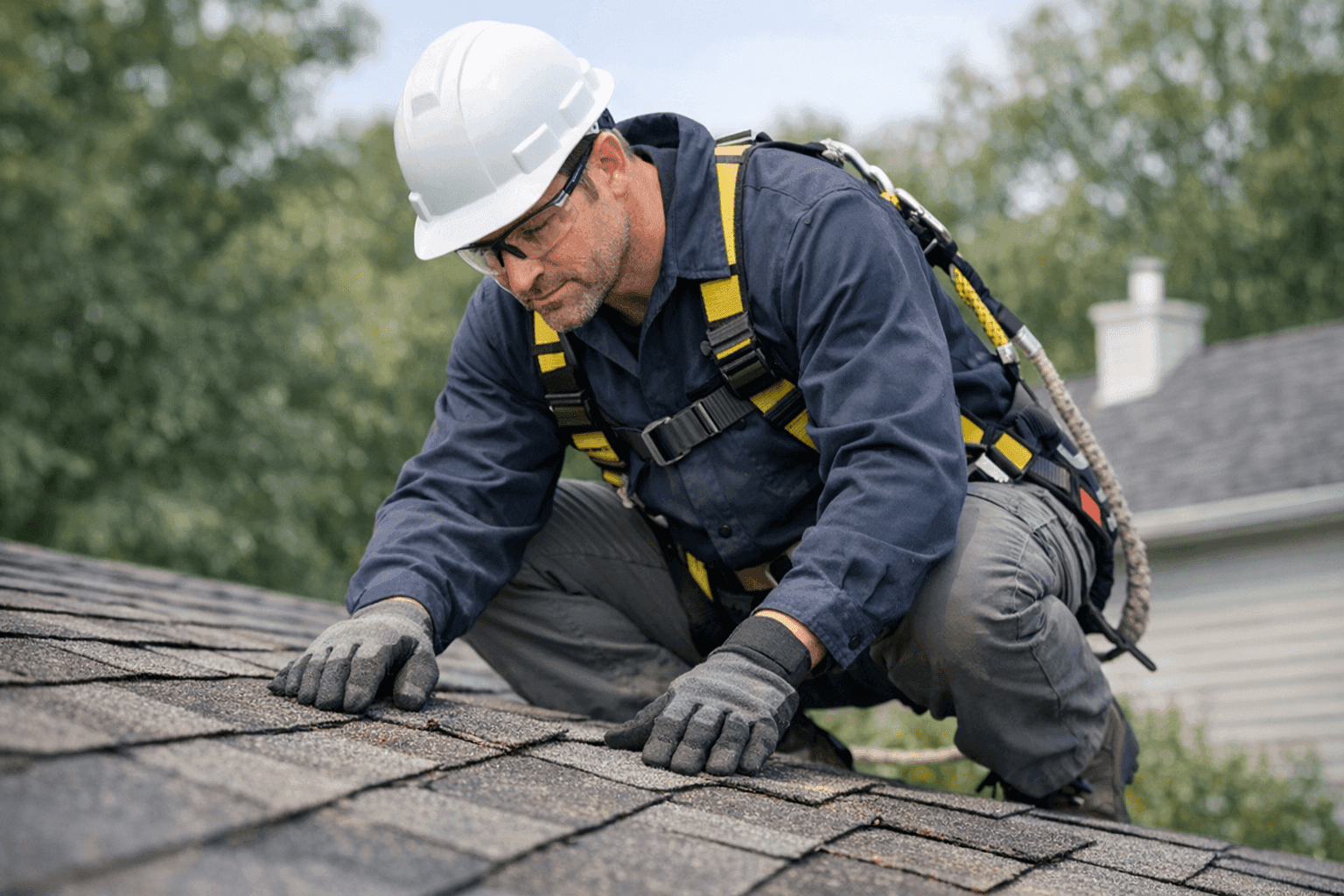
A damaged roof is more than a nuisance—it’s a ticking clock above your head. Whether you’re managing a business property or caring for your family home, the right decision now can save you headaches, money, and even protect your safety. At Robert Foley Roofing, we meet property owners every week who aren’t sure: is repair enough, or is it time for a full replacement?
It’s a big choice. Let’s break it down simply—no guesswork, just clarity so you can act confidently.
When Is Repair Enough? 🛠️
Picture your roof like a jacket. If there’s a small tear, a patch will do the trick. Same goes for roofing. Many times, a repair brings your roof back to shape, especially when:
- Damage is isolated—one or two missing shingles, minor leaks, or a bit of flashing out of place.
- The rest of the roof is still in good condition.
- The roof is relatively new, with plenty of life left in its materials.
A professional roof repair can address issues like:
- Small leaks in specific spots
- Loose or cracked tiles
- Minor damage from a recent storm
- Localized flashing or sealant failures
- Gutter or downspout problems causing water pooling
If the issues haven’t spread and regular maintenance has kept the rest of your system strong, repairs can restore protection and extend your roof’s life.
Signs You Need a Full Replacement
But what if the damage is more like a coat shredded by years of wear? Sometimes, patching won’t cut it. Here are red flags that mean “replacement” might be your best move:
- Multiple leaks popping up in different rooms
- Shingles curling, balding, or missing across wide areas
- Visible sagging, rot, or soft spots in decking
- Dark streaks or moss signaling deep-seated moisture issues
- Roof is 20+ years old (even if it looks okay)
- Recent storm tore up large sections, or heavy hail caused punctures
- Persistent problems despite repeated repairs
Think of it this way: if repairs are like patching a bike tire, a replacement is buying a new tire when the old one just won’t hold air. Sometimes, a new system is safer and more cost-effective.
Quick Safety Checklist Before You Decide
Safety first. Before climbing on your roof or poking around in the attic, keep these tips in mind:
- Never step onto a sagging or visibly damaged roof.
- Use binoculars from the ground to spot missing shingles or flashing.
- Check your attic for water stains, daylight peeking through, or moldy smells.
- Listen for strange sounds after heavy rain—drips, creaks, or running water.
- Always call a professional if you see severe damage, live wires, or chimney issues.
Following OSHA guidelines and local building codes ensures everyone stays safe.
Cost and Timeline Differences 💰
Here’s where the rubber meets the road: cost and time. Repairing a roof is usually quicker and less expensive than a full replacement. But how do they stack up?
Roof Repair:
- Often completed in a few hours to a couple days
- Less disruption to daily life or business
- Costs vary based on materials and size, but almost always lower than replacement
- Insurance may cover storm or accidental damage, but check your policy
Roof Replacement:
- Takes several days to a week, depending on size and complexity
- More workers and equipment needed
- Higher cost—think of it as an investment, not just an expense
- Can boost property value and energy efficiency
- May require building permits and code upgrades
It’s like fixing a flat versus buying new tires and getting a full alignment—more up front, but with longer-term peace of mind.
Real-World Scenarios: Which Path Is Right?
Let’s put theory into practice:
- Scenario 1: After a windstorm, you spot a handful of missing shingles and some debris in the yard. An inspection reveals no leaks or underlying damage. A repair is likely enough.
- Scenario 2: Your commercial building has leaks in three offices, the roof is 25 years old, and you see ponding water after every rain. Replacement is probably the smarter, safer choice.
When in doubt, a thorough inspection—not just a quick glance—makes all the difference.
What Pros Do on Arrival
What happens when a roofer shows up? First, we’ll do a walk-around, checking gutters, downspouts, and flashing. Then we carefully inspect the roof’s surface, attic, and even ventilation. We use moisture meters, thermal cameras, and sometimes drones for hard-to-reach areas.
This isn’t guesswork—it’s a methodical check, following International Building Code standards, to spot hidden issues before they become big headaches.
How to Make the Right Choice
Don’t let emotions or stress steer your decision. Instead, weigh:
- The age of your roof versus expected lifespan for your material (asphalt, tile, metal, flat, etc.)
- The frequency and severity of recent problems
- The cost of constant repairs versus one-time replacement
- Your future plans—are you selling soon, or staying for the long run?
- Insurance coverage and local building code requirements
Roofing isn’t a one-size-fits-all scenario. Sometimes the best value is in a quality roof replacement that offers a fresh start. Other times, a targeted repair can buy you years of security.
DIY vs. Calling a Pro
It’s tempting to grab a ladder and fix things yourself. For some homeowners, cleaning gutters or replacing a loose shingle is safe. But most repairs—especially anything involving leaks, structural issues, or skylights—should be left to professionals. Mistakes can void warranties or create bigger problems down the road.
When in doubt, call in help. Licensed roofers carry the right equipment, safety training, and insurance.
Prevention & Maintenance: Your Best Investment 🧰
A little attention now goes a long way. Schedule annual inspections (especially after major storms), and keep gutters clear. Address small issues quickly—think of it as brushing your roof’s teeth. Preventative maintenance is usually a fraction of the cost of major repairs or replacement.
When It’s an Emergency
Storms don’t wait for business hours. If you find water pouring in or see severe damage, act fast to limit further loss. Cover valuables, contain water with buckets, and stay out of rooms with sagging ceilings.
Local support is available for urgent situations—if you’re in the area, you’ll find responsive roofing services for Grand Island and nearby communities.
Seasonal Considerations
Roofs face different challenges with each season. Spring rains reveal leaks, summer sun can age shingles, autumn leaves clog gutters, and winter ice dams test flashing and insulation. Plan ahead by prepping your roof before each weather shift.
Common Mistakes to Avoid
- Ignoring small leaks or assuming they’ll “dry out”
- Covering up major problems with a quick patch, instead of addressing root causes
- Delaying inspections until visible damage appears
- Overlooking ventilation—poor airflow shortens roof life
A stitch in time really does save nine.
Timeline & Disruption: What to Expect During Work ⏳
Roof repairs are often minimally disruptive—a few hours of noise, then back to normal. Replacement means more activity: workers, equipment, and sometimes a temporary dumpster. Most jobs are scheduled to minimize impact, but plan for some parking disruption and noise during working hours.
Materials and Equipment Matter
Not all roofs are created equal. Metal, tile, shingle, and flat roofs each need specific repair techniques and materials. Reputable roofers use quality products that match your roof’s original design and meet local code. Ask about eco-friendly options if you want to boost efficiency or sustainability.
FAQ: Your Roofing Questions Answered
How long will my roof last?
Depends on materials and maintenance. Asphalt shingles: 15–30 years. Metal: up to 50+. Tile and slate: even longer.
Can I just patch over old shingles?
Sometimes, but it’s not always wise. Too many layers can cause problems and may not meet code.
Will insurance cover my repairs or replacement?
Often, if damage is storm-related. Always check your policy and ask your roofer for documentation.
How often should I get my roof inspected?
At least once a year, and after major storms.
Preparing for Service
Before service, clear vehicles and valuables from the work area. Let your roofer know about pets or special access needs. A smooth project starts with clear communication.
Final Thoughts: Protecting Your Investment
Your roof isn’t just another part of your property—it’s protection for everything underneath. Whether you need a targeted fix or a new system, taking action at the right time saves money, hassle, and stress.
Call Robert Foley Roofing now — or reach us anytime at 844-684-1881 .