Roof Replacement: Signs It’s Time and What to Expect
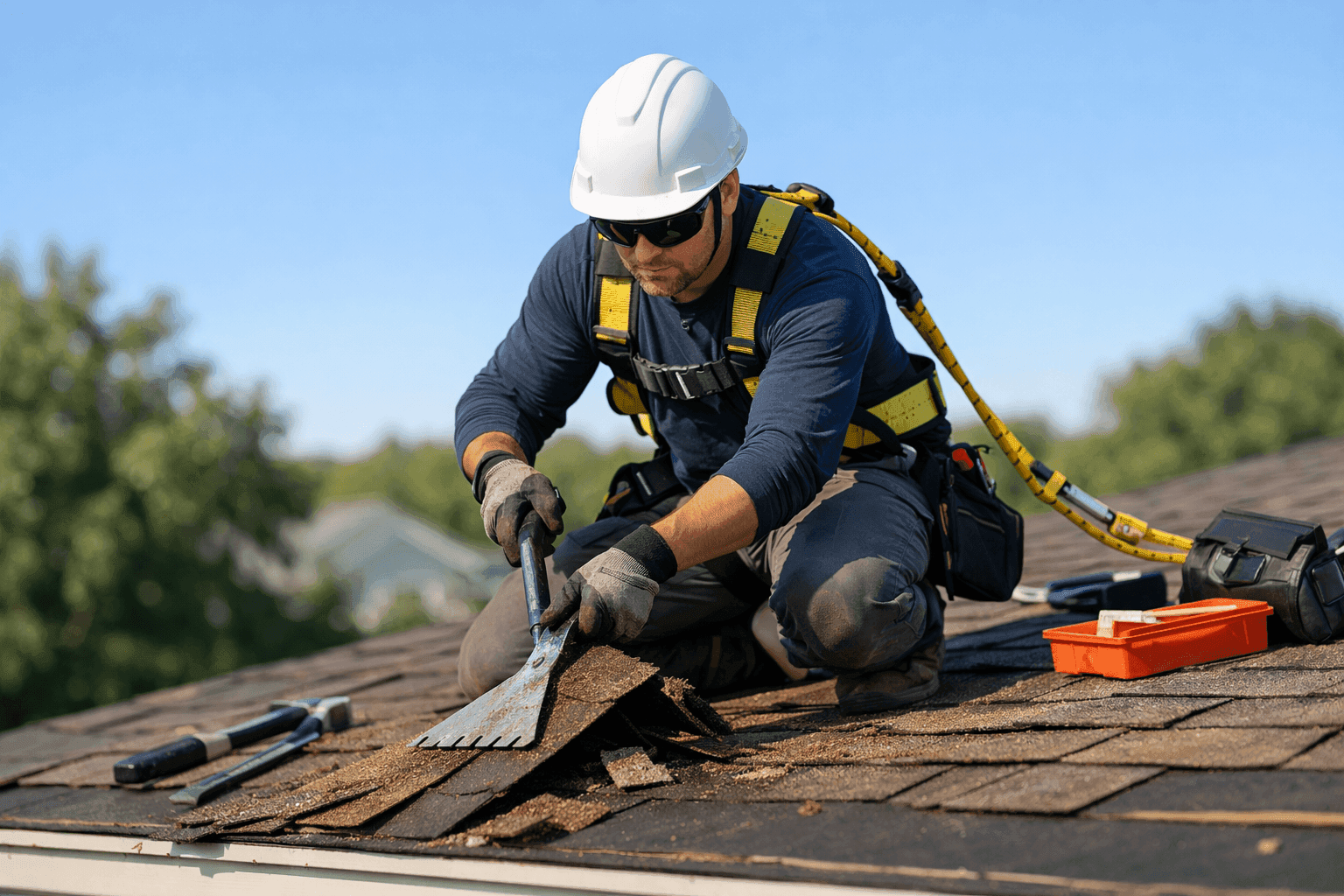
When your roof starts to fail, it rarely whispers. It creaks, leaks, and sags—sometimes all at once. If you’re reading this, you’ve probably noticed something’s not right up top. Maybe you’re seeing water stains, or perhaps a shingle or two has gone missing after a storm. These aren’t just cosmetic problems. They’re signals—your roof is waving a white flag.
At Robert Foley Roofing, we know how unsettling it feels to see daylight through your attic or drip buckets on the floor. But you’re not alone. Thousands of homeowners and businesses face this fork in the road every year. The good news? Recognizing the signs early can save you headaches (and cash) down the line.
Signs Your Roof Needs Replacement
Your roof may not come with a blinking warning light, but it does give off clues. Here’s what to look for:
- Age: Most roofs have a lifespan—20-25 years for asphalt shingles, longer for metal or tile. If yours is reaching that age, start watching closely.
- Curling or Missing Shingles: Shingles curling at the edges or falling off entirely are like loose threads on a sweater. Pull one, and the rest can unravel quickly.
- Chronic Leaks: Occasional drips can be patched, but if you’re battling water every time it rains, the underlying structure could be compromised.
- Sagging: A drooping roofline is an urgent red flag. It’s the equivalent of a sinking ship—ignore it, and the problem swells.
- Granules in Gutters: Finding shingle granules in your gutters is like sand in your shoes after a beach day—a sign things are wearing down where you can’t see.
- Daylight in Attic: If light sneaks through the boards, so can water and cold air.
- Moss or Algae Growth: Green patches may look quaint, but they can signal trapped moisture and slow decay.
Quick Safety Checklist Before Inspection 🦺
Before you (or a pro) head up to check things out, keep these safety basics in mind:
- Use a sturdy, well-placed ladder
- Never walk on a wet or icy roof
- Wear shoes with good grip
- Watch for overhead wires and loose shingles
Remember, it’s often safer to stay on the ground and use binoculars. Let professionals handle the risky parts.
DIY vs. Calling a Roofing Pro
Some repairs—like swapping a shingle—seem simple. But roof replacement is another beast. It involves heavy lifting, tricky angles, and sometimes structural surprises. It’s a lot like fixing a car engine: you could try, but the risk (to your roof and yourself) is high.
A licensed roofing crew brings tools, skills, and safety training. They spot hidden issues and handle materials efficiently. Plus, they know local code—important when it comes to things like decking, flashing, and insulation.
What Happens When the Pros Arrive
Expect a step-by-step process:
- Inspection: The crew assesses the roof—outside and inside—checking structure, decking, and ventilation.
- Quote & Timeline: You get an estimate, detailing materials, labor, and expected duration.
- Material Delivery: Shingles, underlayment, and flashing arrive. It can feel like a mini construction site for a day or two.
- Tear-Off: Old materials are removed. Pros watch for rot or weak spots in the decking.
- Repairs: Any damaged wood or flashing is replaced before installation.
- Installation: New underlayment, shingles (or metal/tile), and flashing are installed with careful attention to detail.
- Cleanup: Debris is cleared, magnets sweep for stray nails, and the property is left tidy.
Typical Timelines and What to Expect
Most residential roof replacements take 1-3 days. Larger or more complex roofs can stretch longer, especially if weather interrupts. Commercial projects can run a week or more.
Expect some disruption: noise, parked trucks, and brief access limits to certain areas. Pets should be kept indoors, and vehicles moved from the driveway. Good contractors communicate these details upfront.
When It’s an Emergency
Sometimes, you can’t wait. A sudden leak during a storm or tree limb through the roof is a true emergency. Quick temporary fixes—like tarping—may be needed until full replacement is possible.
If you’re in a bind and need rapid response, our team covers urgent calls throughout the region, including reliable support for Wilkes-Barre property owners facing storm damage or leaks.
What Reputable Roofing Contractors Do Differently
Not all roofers are created equal. The best ones:
- Communicate clearly—no surprises on scope or pricing
- Protect your landscaping and property during work
- Use quality materials that meet or exceed code (see International Building Code guidelines)
- Respect your time and space
Look for proper licensing, insurance, and real local references—these details matter.
Materials, Equipment, and Eco-Friendly Options
From classic shingles to sturdy metal and energy-efficient coatings, material choice impacts both cost and longevity. Eco-friendly options—like cool roofs or recycled content—can lower energy bills and environmental impact.
A good contractor will walk you through options, explaining trade-offs in durability, appearance, and price.
Preventing Future Problems After Replacement
A new roof is a fresh start. But don’t set it and forget it. Annual roof inspections and regular gutter cleaning catch small issues before they grow.
Watch for clogged downspouts, moss growth, or missing shingles, especially after storms. Scheduling preventative maintenance can stretch the life of your investment.
Common Pitfalls and How to Avoid Them
Homeowners often run into trouble by:
- Hiring uninsured or unlicensed crews
- Overlooking ventilation and insulation (leading to higher energy bills)
- Skipping attic checks for leaks or mold
- Ignoring the need for proper flashing around chimneys and skylights
When in doubt, ask questions. A trustworthy roofer explains every step.
The Roof Replacement Process—Start to Finish
Let’s recap the journey:
- Step 1: Call for an inspection if you spot warning signs
- Step 2: Receive a thorough estimate and review material options
- Step 3: Schedule the job, plan for delivery and access
- Step 4: Old roof removed, decking checked and repaired if needed
- Step 5: New materials installed with care and precision
- Step 6: Cleanup and post-installation inspection
What Happens After Installation?
A quality-focused team doesn’t disappear after the last nail is hammered. At Robert Foley Roofing, we:
- Perform a final walkthrough with you, answering questions
- Double-check flashing, sealants, and venting
- Provide maintenance tips to maximize roof life
This is your chance to ask about warranties, material care, and signs to watch for in the future.
Seasonal and Local Considerations 🍂
Roofing work is safest and fastest in dry, mild weather. In colder climates, certain materials (like asphalt shingles) need warmer temperatures to seal properly. If you’re scheduling around rain or snow, plan for potential delays.
Local codes may also affect material and installation choices, especially for new construction or commercial roofing. Always choose a contractor who knows the local requirements inside and out.
Frequently Asked Questions
Q: How long will my new roof last?
A: Asphalt shingle roofs typically last 20-25 years. Metal, tile, and specialty roofs can last much longer with good maintenance.
Q: Will insurance cover my replacement?
A: It depends. Sudden storm damage is often covered, while age-related wear is not. Check your policy and consult your roofer for guidance.
Q: Can I stay home during the project?
A: In most cases, yes. Expect some noise and minor disruption, but you don’t need to vacate your property.
Q: What should I do before the crew arrives?
A: Move cars, secure pets, and remove fragile items from walls—vibration can cause pictures to fall.
A failing roof is stressful, but it doesn’t have to be a crisis. Knowing the signs and what to expect puts you in control. If you’re ready for peace of mind—and a roof that stands strong for years—reach out to the professionals who care about your home or business as much as you do.
Call Robert Foley Roofing now — or reach us anytime at 844-684-1881 .