Roof Safety: Fall Protection and OSHA Guidelines for Contractors
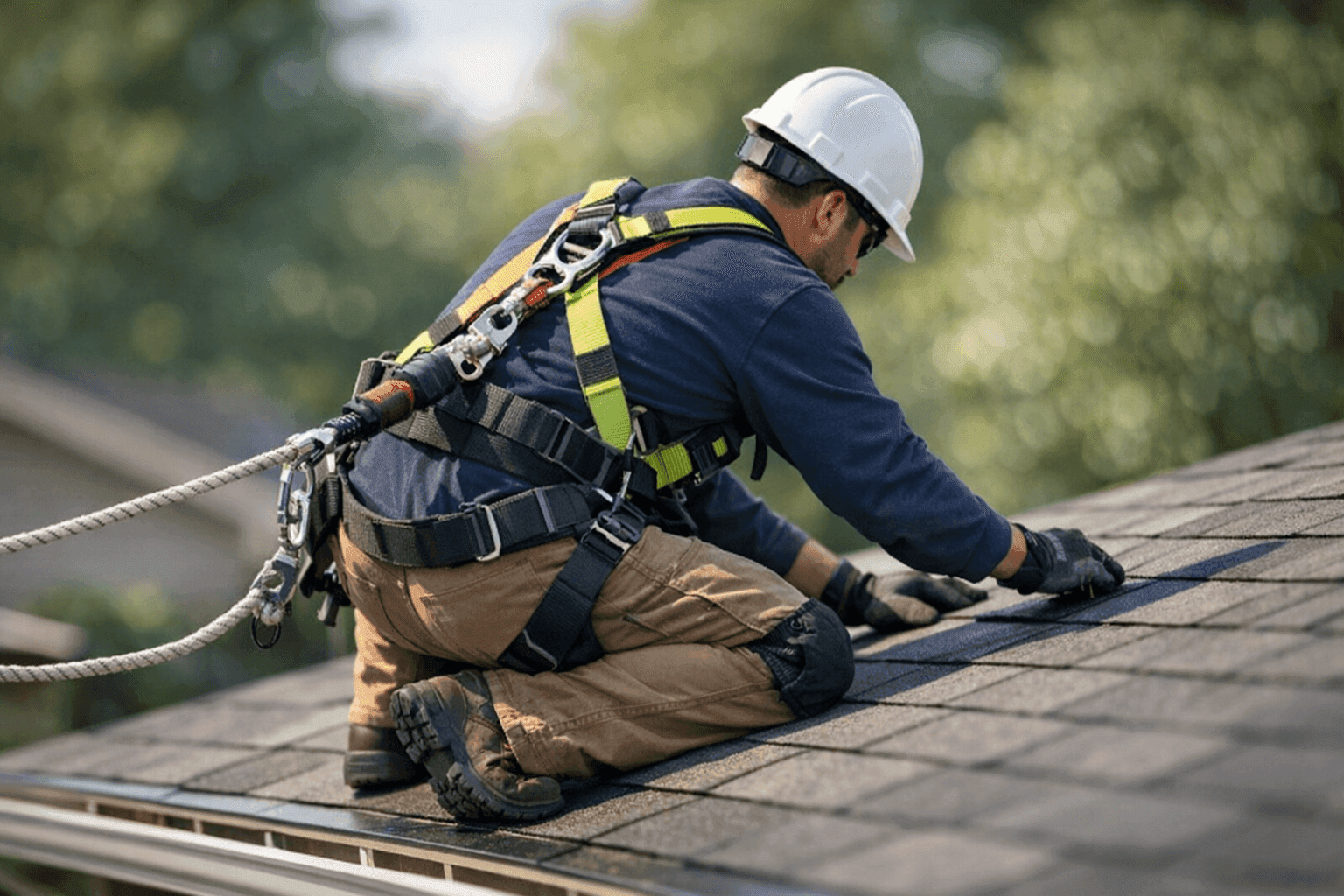
Roof work is risky. One misstep can change everything. At Robert Foley Roofing, every project—big or small—starts with safety. Whether you’re a homeowner, business owner, or contractor, understanding roof safety isn’t just smart. It’s essential.
Falls are the leading cause of serious injury in the roofing world. Regulations exist for a reason: to keep everyone safe. Here’s what you need to know before stepping foot on a roof.
The Importance of Roof Safety 🦺
Standing on a roof can feel like walking a tightrope. The view is great, but the stakes are high. Gravity doesn’t care if you’re fixing a shingle or replacing a skylight.
- A single slip could send you tumbling.
- A loose tool can become a dangerous projectile.
- Unstable decking might give way with no warning.
Every year, thousands are hurt on roofs—many because basic safety steps were skipped. The National Institute for Occupational Safety and Health (NIOSH) reports that falls from roofs account for more than one-third of all fall-related fatalities in construction. That’s not just a statistic; it’s a wake-up call.
OSHA Fall Protection Requirements
The Occupational Safety and Health Administration (OSHA) sets clear rules for roof work. If you’re six feet or more above a lower level, fall protection is required. No exceptions.
Key OSHA requirements:
- Guardrails: Must be sturdy and installed at the roof edge.
- Safety Nets: Used when guardrails aren’t practical.
- Personal Fall Arrest Systems (PFAS): Harnesses, lanyards, and anchors that catch you if you fall.
- Training: Workers must know how to use fall protection gear, recognize hazards, and follow rescue procedures.
OSHA Standard 1926.501 covers these requirements in detail. It’s not just about compliance—it’s about making sure everyone goes home safe.
Common Roofing Safety Hazards
Roofing isn’t just about shingles and gutters. Hazards lurk everywhere:
- Unprotected Edges: The leading cause of falls.
- Loose Debris: Nails, shingles, and tools create trip risks.
- Weather: Wet, icy, or windy conditions make slips more likely.
- Weak Decking: Rotten wood or hidden holes can collapse.
- Ladders: Improper setup is a recipe for disaster.
- Electrical Lines: Overhead wires pose shock and fire risks.
Spotting these dangers early is half the battle.
Essential PPE for Roofing Work
Personal Protective Equipment (PPE) is your armor on the roof. Don’t suit up? Don’t go up.
- Hard Hats: Protect from falling objects.
- Non-Slip Boots: Grip matters—especially on steep or wet surfaces.
- Gloves: Shield hands from cuts, burns, and chemicals.
- Safety Glasses: Keep dust and debris out of your eyes.
- Harness and Lanyard: Your lifeline if you lose your balance.
Check your gear before every use. A frayed harness or cracked helmet is an accident waiting to happen.
Quick Safety Checklist Before You Start
Preparation is everything. Before climbing up:
- Inspect the roof from the ground. Spot sagging areas or visible damage.
- Check your ladder—firm footing, proper angle, and extend it three feet past the edge.
- Secure all tools. Use belts or buckets, not your pockets.
- Confirm PPE is in good condition and fits properly.
- Review the weather forecast. Postpone if rain or high winds are expected.
These steps might feel basic, but they save lives.
DIY vs. Professional Roofing: When to Call in the Pros
Some repairs look simple. But even minor jobs can turn dangerous fast. A cracked shingle or clogged gutter might seem manageable—until you’re up there and realize the pitch is steeper than it looked.
Professional roofers bring more than experience. They have the right equipment and know how to spot hidden hazards. If you’re unsure, it’s safer (and often cheaper in the long run) to call in roof repair services rather than risk a fall.
What Pros Do Upon Arrival
When Robert Foley Roofing arrives, safety comes first. Here’s what happens:
- Site Assessment: Walk the perimeter, check for hazards, and plan access points.
- Set Up Guardrails or Anchors: Before any work begins.
- Lay Out Tools: Organized to avoid tripping.
- Brief the Team: Review the day’s tasks, hazards, and emergency plans.
- Double-Check PPE: No shortcuts, no exceptions.
This routine keeps everyone alert and reduces the chance of an accident.
Prevention and Maintenance: Reducing Risks Year-Round
Regular upkeep keeps small problems from becoming big emergencies. Clean gutters, inspect flashing, and check for missing shingles at least twice a year.
- Schedule annual inspections.
- Clear debris after storms.
- Address leaks and water stains promptly.
Preventative maintenance is like wearing a seatbelt—it won’t stop every problem, but it makes accidents less likely.
Costs and Time Factors: The Price of Safety
Investing in safety equipment and training isn’t optional. It’s part of the job. The upfront cost of harnesses, anchors, and guardrails is small compared to the cost of an accident.
- Equipment: $50–$300 per worker for basic PPE.
- Training: A few hours a year can prevent a lifetime of regret.
- Delays: Sometimes, waiting for the right weather or equipment is the safest move.
Cutting corners to save time or money rarely pays off.
When It’s an Emergency: Acting Fast, Staying Safe
Storm damage, sudden leaks, or tree limbs on the roof? Emergencies demand quick action, but never at the expense of safety. If you’re in a hurry, it’s even easier to make mistakes.
For urgent repairs, having a plan matters. Know where your first aid kit is. Keep emergency numbers handy. If you’re looking for local support, roofing services in Southaven are available when the unexpected happens.
Seasonal Considerations: Weather and Roof Safety
Every season brings its own risks:
- Spring: Rain makes surfaces slick.
- Summer: Heat can cause dehydration and dizziness.
- Fall: Leaves hide hazards and clog gutters.
- Winter: Ice is the enemy of traction.
Adjust your safety plan as the weather changes. Sometimes, the best move is to wait for better conditions.
Common Mistakes That Lead to Accidents
Even seasoned pros slip up. Here’s what to avoid:
- Rushing to finish before a storm.
- Skipping PPE “just for a quick fix.”
- Leaving tools or debris where someone might trip.
- Ignoring manufacturer instructions for harnesses or anchors.
Stay alert. Complacency is the enemy.
Signs of Trouble: When to Get Off the Roof
Sometimes, the safest choice is to walk away and reassess. Get down immediately if:
- You hear creaking or feel the roof sag.
- The wind picks up suddenly.
- You spot exposed wires or smell burning.
- You feel dizzy, tired, or overheated.
No job is worth risking your health.
Timeline and Disruption: What to Expect During Safe Roofing Projects
A safe job might take a bit longer. That’s by design. Setting up guardrails, checking gear, and briefing the crew add time—but they also add peace of mind.
- Most repairs: 1–2 days, depending on weather and complexity.
- Replacements or large projects: Up to a week, with safety checks every morning.
Clear communication keeps surprises to a minimum.
Materials and Equipment: Choosing the Right Tools for Safety
Not all roofing materials are created equal. Metal roofs, for example, can be slippery. Tile roofs are fragile and may crack underfoot. Always match your safety plan to the material:
- Use roof brackets on steep pitches.
- Lay down walk boards on fragile surfaces.
- Choose non-slip shoes for metal and wet roofs.
The right tools protect both people and property.
Ventilation, Insulation, and Safety
Proper attic ventilation and insulation do more than improve energy efficiency. They help prevent ice dams, reduce moisture, and stop rot—which can make a roof unsafe to walk on.
- Blocked vents can cause heat buildup, making shingles brittle.
- Poor insulation lets water freeze and thaw, weakening decking.
Address these issues during routine maintenance to keep your roof—and everyone on it—safe.
Final Thoughts: Safety Is Everyone’s Responsibility
Roof safety isn’t a one-time checklist. It’s a mindset. Whether you’re cleaning gutters, installing a skylight, or handling storm damage restoration, every step matters. Stay alert, use the right gear, and never cut corners.
If you’re unsure about any aspect of roofing safety, don’t take chances. Reach out to professionals who put safety first—every time.
Call Robert Foley Roofing now — or reach us anytime at 844-684-1881 .