Roof Storm Preparation: Protecting Your Home Before Severe Weather
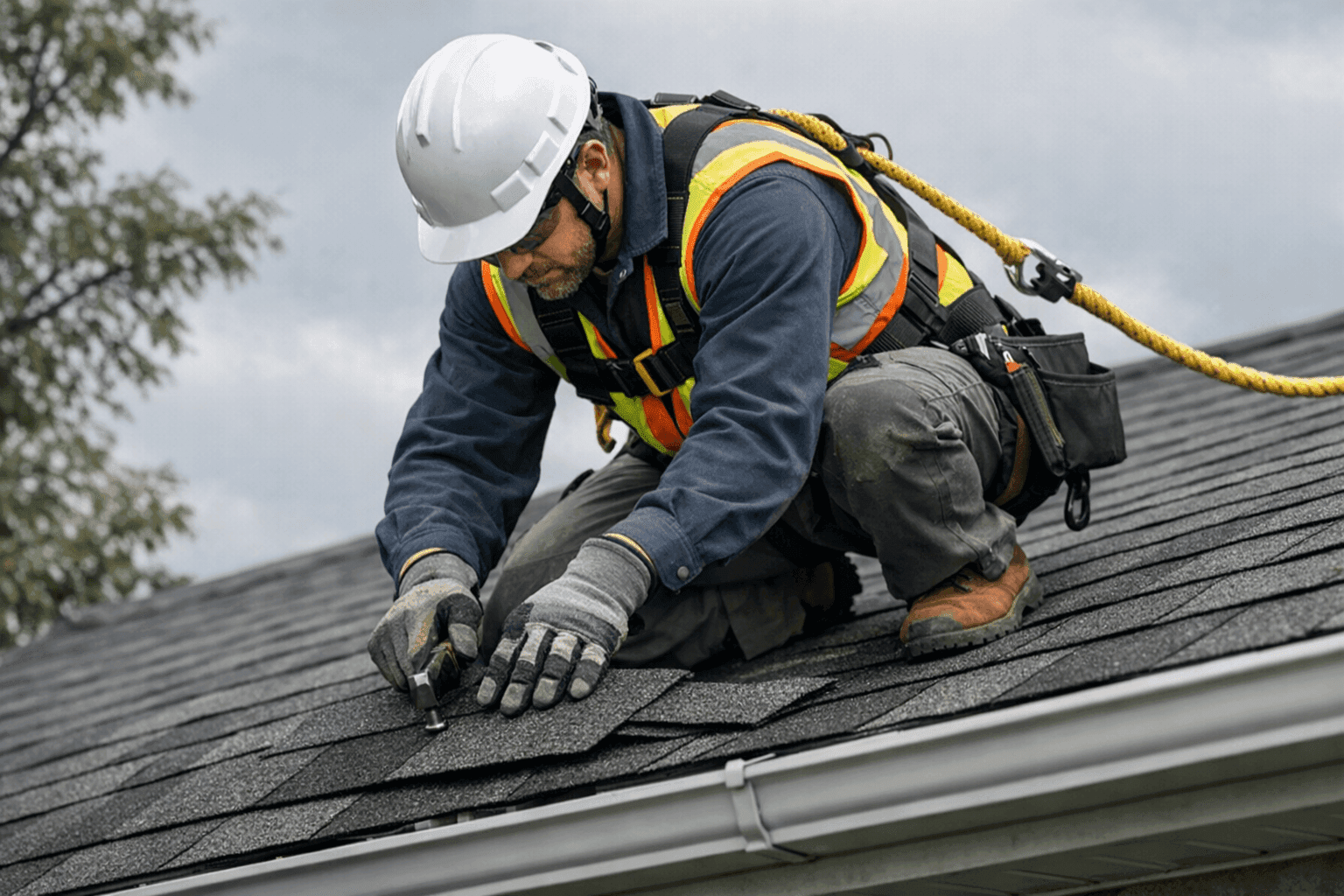
Storms don’t knock. They barge in. Suddenly the forecast turns gray, and your home’s roof stands as the first—and sometimes only—line of defense. Whether you own a small storefront or a family home, the steps you take before severe weather can mean the difference between a quick cleanup and a major headache.
At Robert Foley Roofing, we understand the nervous feeling when dark clouds roll in. Let’s walk through what you can do right now, and what to have ready, so your roof is prepared for whatever nature hurls its way.
Why Roof Storm Preparation Matters
A roof is more than shingles and flashing—it’s a shield. When wind, hail, or driving rain hit, even a small weakness can quickly turn into a steady leak or a torn-off section. The costs and disruption from storm damage are often much higher than the simple effort it takes to prepare.
Quick Safety Checklist Before the Storm ⚡
Before the first thunder sounds, run through this list:
- Secure loose shingles or tiles. Missing or lifted shingles are a welcome mat for water.
- Clear out gutters and downspouts. Clogged gutters turn rain into waterfalls right where you don’t want them.
- Trim nearby branches. Overhanging limbs are just waiting to scrape or crash onto your roof.
- Inspect roof flashing and chimney areas. These are weak spots for leaks.
- Tighten or replace loose gutter brackets. High winds can rip them off if they’re wobbly.
Every one of these steps buys you peace of mind when the sky gets wild.
How to Spot Trouble Before It Starts
Walk around your home. Look for shingles that curl up like old potato chips, cracked tiles, or stains on ceilings inside. Check soffits and fascia for gaps. If you see daylight where you shouldn’t, water will find its way there too.
Take a peek in your attic during daylight—any pinprick of sunlight could become a leak. And always check for signs of mold, which point to past moisture problems.
Pro Tip: Gutters and Downspouts Are Unsung Heroes
Gutters aren’t glamorous, but when they’re clogged, storms become a nightmare. Water must flow off your roof and away from your foundation. Remove leaves, twigs, and even stray baseballs. Test downspouts by running a hose—water should pour out freely.
If you notice sagging gutters or loose downspout connections, get them fixed. Proper Decking near you also plays a major role in roof longevity and storm resilience.
Trim Trees and Secure Outdoor Items
Branches overhanging your roof act like a battering ram during high winds. Trim them back so nothing can fall or scrape across shingles and tiles. Move patio furniture, grills, and potted plants inside or anchor them—anything airborne becomes a projectile in a storm.
The Role of Flashing and Sealants
Flashing is the metal (or rubberized) barrier guarding valleys, chimneys, and roof edges. Over time, flashing can pull away or rust, breaking the seal and letting water sneak in. Check for gaps, bent edges, or missing sealant. Apply roof-grade sealant if you spot trouble, but don’t be shy about calling for help if you’re unsure.
Emergency Supplies: What to Keep on Hand
Preparation means more than prevention—it’s also about quick fixes when things go sideways. Have these supplies ready:
- Heavy-duty tarps for emergency roof covering
- Buckets to catch water indoors
- Plastic sheeting for temporary window or skylight cover
- Work gloves and boots
- Flashlights and extra batteries
- First aid kit
- Portable phone charger
Keep these where you can reach them fast. When water starts coming in, every second counts.
When It’s Time to Call an Expert
Some issues are DIY-friendly. Others are not. If you find structural damage, large missing sections, or signs your flat or metal roof is separating, step back. Safety always comes first.
If you live in the area and need fast service, local support is available for La Crosse residents with urgent needs during or after the storm.
What Professionals Look for During Inspections
A professional roofer doesn’t just glance at your roof—they look with a trained eye. We check underlayment, flashing details, shingle patterns, and attachment points. Following standards from the National Roofing Contractors Association (NRCA), we also assess ventilation, insulation, and the integrity of all roof penetrations.
After a storm, a thorough inspection helps you catch hidden damage before it grows.
DIY vs. Professional Maintenance
You can spot obvious issues. But trained eyes catch subtle warning signs—like a slight dip in decking or flashing that’s no longer watertight. Professionals use industry-backed checklists, safety harnesses, and specialized tools. If you’re ever in doubt, don’t risk your safety.
Seasonal Considerations Matter
Winter brings ice dams and heavy snow. Spring means wind and torrential rain. Summer can deliver hail or intense sun that weakens roofing materials. Adjust your prep list seasonally: more insulation in winter, more gutter checks in fall, and regular roof inspections year-round.
Common Mistakes Homeowners Make
- Waiting too long. Small leaks become big problems fast.
- Ignoring minor damage. One cracked tile can expose underlayment.
- Forgetting about attic ventilation. Poor airflow leads to moisture buildup and rot.
- Skipping regular maintenance. Out of sight shouldn’t mean out of mind.
Timeline and Disruption: What to Expect
Basic prep, like cleaning gutters and trimming branches, takes a few hours. Professional inspections or repairs may require a day or two, depending on what’s found. If a storm is on the way, prioritize quick wins—secure loose items and cover vulnerable spots.
The Cost of Not Preparing
Repairs after a storm can be steep—especially if water damages walls, ceilings, or foundation. Insurance may help, but some preventable issues may not be covered. A little time spent prepping your roof can save thousands and keep your home or business safe.
Materials and Equipment: What Works Best
- Impact-resistant shingles for hail-prone areas
- Sturdy flashing and sealants rated for your local climate
- Properly sized gutters and downspouts
- Roof decking that matches building codes (check with your local authority)
- Wind-rated fasteners for high-wind zones
Ask about eco-friendly options if you want to improve sustainability and storm toughness at the same time.
Safe Evacuation Protocols
Have an evacuation plan in place. Know your safest exits. Keep important documents, medications, and emergency contacts in an easy-to-grab kit. Listen to weather alerts and local authorities—when they say to go, don’t wait.
Frequently Asked Questions
How often should I have my roof inspected?
Twice a year is best—once in spring, once in fall—or after any major weather event.
Can I repair loose shingles myself?
Small fixes are possible, but if you’re unsure or if the roof is steep/high, call in a professional.
What if my roof leaks during the storm?
Contain water using buckets and tarps. Prioritize safety. Schedule emergency service as soon as it’s safe.
Are all roofing materials equally storm-resistant?
No. Metal and impact-rated shingles usually hold up best, but proper installation and maintenance are key.
Building Resilience for the Next Storm
A prepared roof is a strong roof. With regular checks, smart maintenance, and the right emergency supplies, you can turn the odds in your favor—storm after storm.
Call Robert Foley Roofing now — or reach us anytime at 844-684-1881 .