Roofing and Gutters: How They Work Together to Prevent Damage
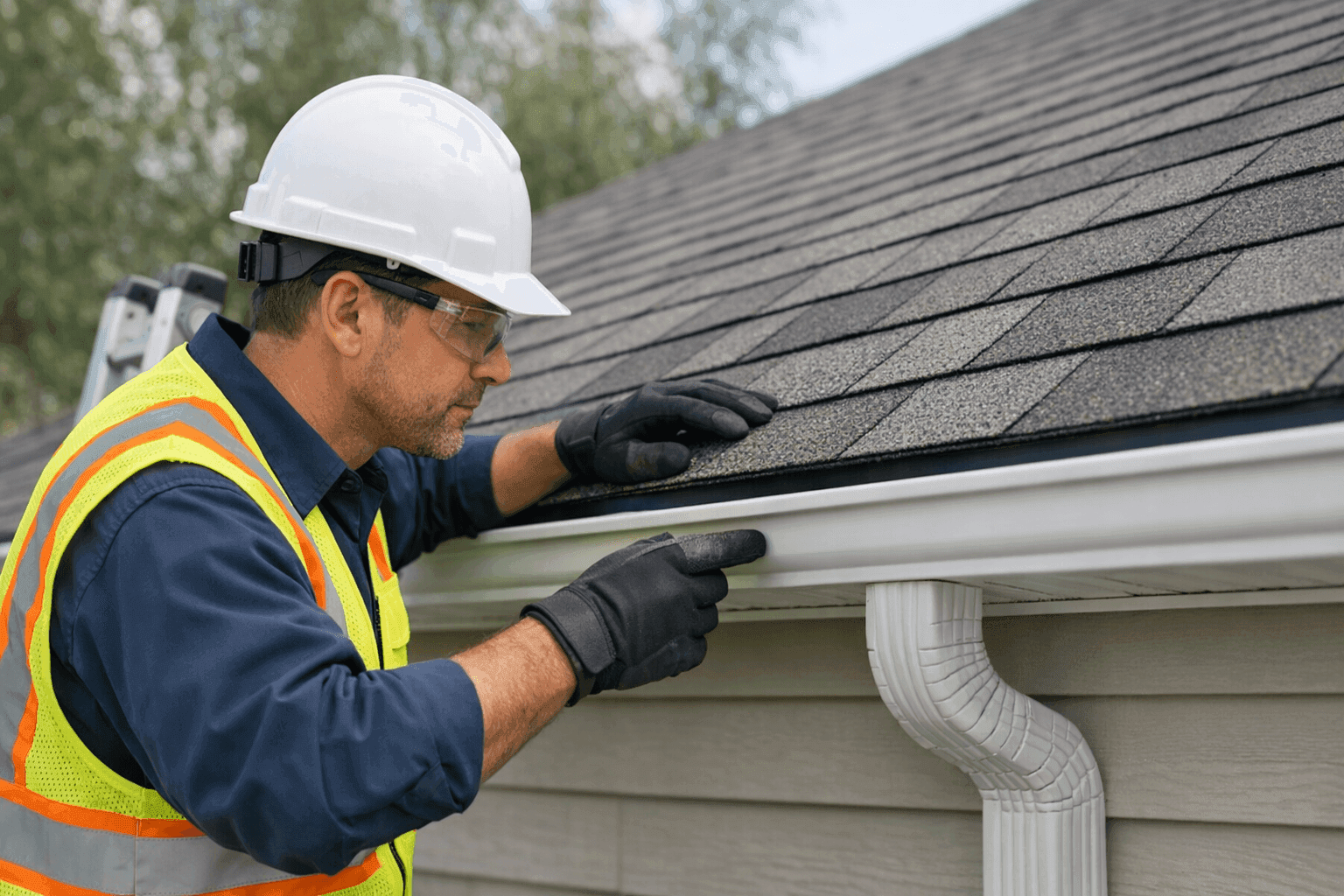
When rain falls, it doesn’t care if your property is old, new, big, or small. Water follows the path of least resistance, and without a solid roof and a working gutter system, it can find its way into places you’d never expect. We see it every year: one small leak or a clogged downspout and suddenly “minor” issues become major headaches.
At Robert Foley Roofing, we understand how your entire building envelope—from the roof ridge to the last piece of gutter—has to work in harmony. With decades spent repairing, replacing, and maintaining roofs and gutters for families and businesses, we know how quickly water can turn from friend to foe.
How Roofs and Gutters Work Together
Think of your roof as a sturdy umbrella. It keeps the majority of water off your home or business. But the roof can only do so much. Without gutters, that waterfall has nowhere to go except straight down—eroding soil, splashing siding, flooding basements, and soaking foundations.
Gutters are the silent helpers. They catch rain, channel it through downspouts, and send it safely away from your property’s base. On flat roofs, scuppers and internal drains do a similar job. For sloped roofs, gutters and downspouts are the traffic cops, directing water with precision.
When both systems are working, water follows a safe route—never lingering, never pooling. This partnership is essential for both residential and commercial buildings, especially in climates with heavy rains, snowmelt, or sudden storms.
Common Drainage Problems
Even the best roof-and-gutter combo can run into trouble. Some problems crop up more often than others:
- Clogged Gutters: Leaves, twigs, and debris pile up, blocking water flow. The result? Overflowing gutters that spill water right where you don’t want it—against fascia, soffits, or your home’s foundation.
- Sagging or Broken Gutters: Over time, gutters can pull away from the house, thanks to ice, heavy rain, or just old age. Once they’re loose, water escapes behind or over them.
- Improper Slope: Gutters need a gentle pitch to keep water moving. Too flat, and water sits still; too steep, and it rushes past downspouts without draining.
- Insufficient Downspouts: Not enough downspouts means water backs up, even in a clean system.
- Damaged Roof Valleys or Flashing: These channel water directly into gutters. If they’re cracked, rusted, or missing, leaks and water stains inside are almost guaranteed.
Ignoring these issues is like leaving a window open during a storm—eventually, water finds a way in.
Maintenance Tips for Both Systems 🛠️
Regular upkeep is where prevention starts. Here’s how to keep your roof and gutters in top shape:
For Your Roof
- Inspect twice a year: Early spring and late fall are best. Look for missing shingles, cracked tiles, or signs of wear near chimneys and vents.
- Check flashing: Make sure metal flashing around chimneys, skylights, and valleys is snug and free from rust or gaps.
- Remove debris: Clear off leaves, branches, and moss. These can trap moisture, accelerating rot.
- Scan for leaks: Inside, look for water stains on ceilings or walls, especially after storms.
For Your Gutters
- Clean regularly: At least twice a year, more often if you have overhanging trees. Professional gutter cleaning ensures water flows freely and safely.
- Test with water: After cleaning, run water through the system. Check for leaks, sagging, or sections where water pools.
- Secure hangers: Make sure gutters are tightly attached. Loose gutters pull away and lose their effectiveness.
- Check downspouts: Confirm they’re clear and draining well. Extensions help move water even further from your foundation.
Preventing Water Damage Year-Round
Water damage isn’t just a rainy-season worry. Snow, ice, spring thaws, and even summer storms all pose risks.
- In winter: Ice dams can form when heat escapes through the attic, melting snow that then refreezes at the eaves. This blocks water, forcing it under shingles. Proper insulation and ventilation help prevent this.
- In spring: Melting snow and sudden downpours can overwhelm systems. Make sure gutters and downspouts are clear before the first thaw.
- In summer: Fast, heavy rains test the capacity of your gutters. Watch for overflows and clean out debris after storms.
- In fall: Falling leaves and twigs can clog everything. Schedule a roof and gutter check before the first freeze.
Some property owners in Brookline Village have seen firsthand how seasonal shifts can affect roofing and drainage. Local codes often require minimum gutter and downspout sizes for commercial properties—check with your town’s building department or the International Residential Code (IRC) for guidance.
Signs It’s Time for Professional Help
Not every problem is a DIY fix. Call a professional if you notice:
- Water stains inside your home or business, especially after rain.
- Sagging, leaking, or detached gutters.
- Shingles or tiles that are missing, cracked, or curling.
- Pools of water near your foundation.
- Visible mold or algae on siding, soffits, or fascia.
- Persistent ice buildup in winter, even after clearing snow.
Roofing and gutter issues can escalate quickly. An early call saves money and stress down the road.
Materials Matter: Choosing the Right Roof and Gutter System
Not all roofs or gutters are created equal. Asphalt shingles, metal roofing, tile, and flat roofs each have unique drainage needs. Likewise, gutters come in aluminum, copper, steel, and vinyl—each suited to different budgets and climates.
- Metal roofs shed water quickly but need well-sized gutters to keep up.
- Tile roofs can send water off in sheets; sturdy gutters and splash guards help.
- Flat roofs rely on interior drains and scuppers, requiring regular checks for blockages.
Ask your roofing contractor about the best match for your property and local weather.
DIY or Call a Pro?
Some maintenance tasks are safe for a handy homeowner—light gutter cleaning or removing visible debris from a low-slope roof, for example.
But be cautious. Climbing ladders is risky. Roof surfaces can be slippery, and unseen damage isn’t always obvious to an untrained eye. Always put safety first. If you’re unsure, or if repairs go beyond simple cleaning, call in a pro.
Emergency Situations: Fast Action Saves Property 🚨
Storms, falling branches, or unexpected leaks can turn into emergencies fast. Temporary fixes—like tarps or gutter patches—can help, but they’re no substitute for a professional repair.
If water is entering your home, move valuables away, and contain the leak with buckets or towels. Then, call your roofing team right away. Emergency services are available for both residential and commercial properties.
Costs and Timelines: What to Expect
Routine cleaning and minor repairs are usually quick and affordable. Larger jobs—like roof replacement, gutter installation, or major leak repair—take more time and investment. Weather, property size, and material choice all influence scheduling.
Getting a detailed inspection before problems arise helps avoid expensive surprises.
Frequently Asked Questions
How often should I clean my gutters?
At least twice a year, or more often if you have trees close by.
What’s the best way to check for roof leaks?
Look inside for water stains after storms. Outside, inspect flashing, shingles, and valleys for damage.
Can gutter guards prevent all clogs?
They help, but aren’t foolproof. Regular checks are still needed.
Is there a difference in maintenance for commercial roofing?
Commercial roofs often have larger drains and more complex systems. Inspections and cleaning are just as important—sometimes more so, due to flat surfaces.
Common Mistakes to Avoid
- Procrastinating on cleaning—clogs can lead to expensive repairs.
- Ignoring minor leaks or water stains.
- Using mismatched gutter sizes or materials.
- Forgetting about downspouts—these are just as critical as gutters themselves.
- Skipping professional inspections for new construction or after major storms.
Seasonal Considerations for Decking & Roofing Near You
Every season brings unique challenges. Spring and fall are prime times for maintenance. Summer storms can overwhelm older systems. Winter’s freeze-thaw cycles test even new roofs and gutters.
For decking near you, remember that excess runoff can erode supports and create slippery surfaces. Make sure your drainage plan protects all outdoor structures, not just your roof.
When It’s an Emergency
If you wake up to water dripping through the ceiling, or notice your gutters have pulled off in a storm, it’s time to act fast. Emergency repairs can prevent further structural damage—especially if caught early.
Local teams are available year-round for emergency calls and storm damage restoration. Many homeowners in Brookline Village and surrounding areas rely on timely support when severe weather strikes.
Final Thoughts: Protect Your Investment
Your roof and gutters work day and night to keep your property safe—often unnoticed until something goes wrong. With regular attention, seasonal care, and prompt repairs, you can prevent most water damage before it starts.
Ready to schedule a checkup, cleaning, or repair?
Call Robert Foley Roofing now — or reach us anytime at 844-684-1881 .