Roofing for Accessibility: ADA Considerations and Safe Access Points
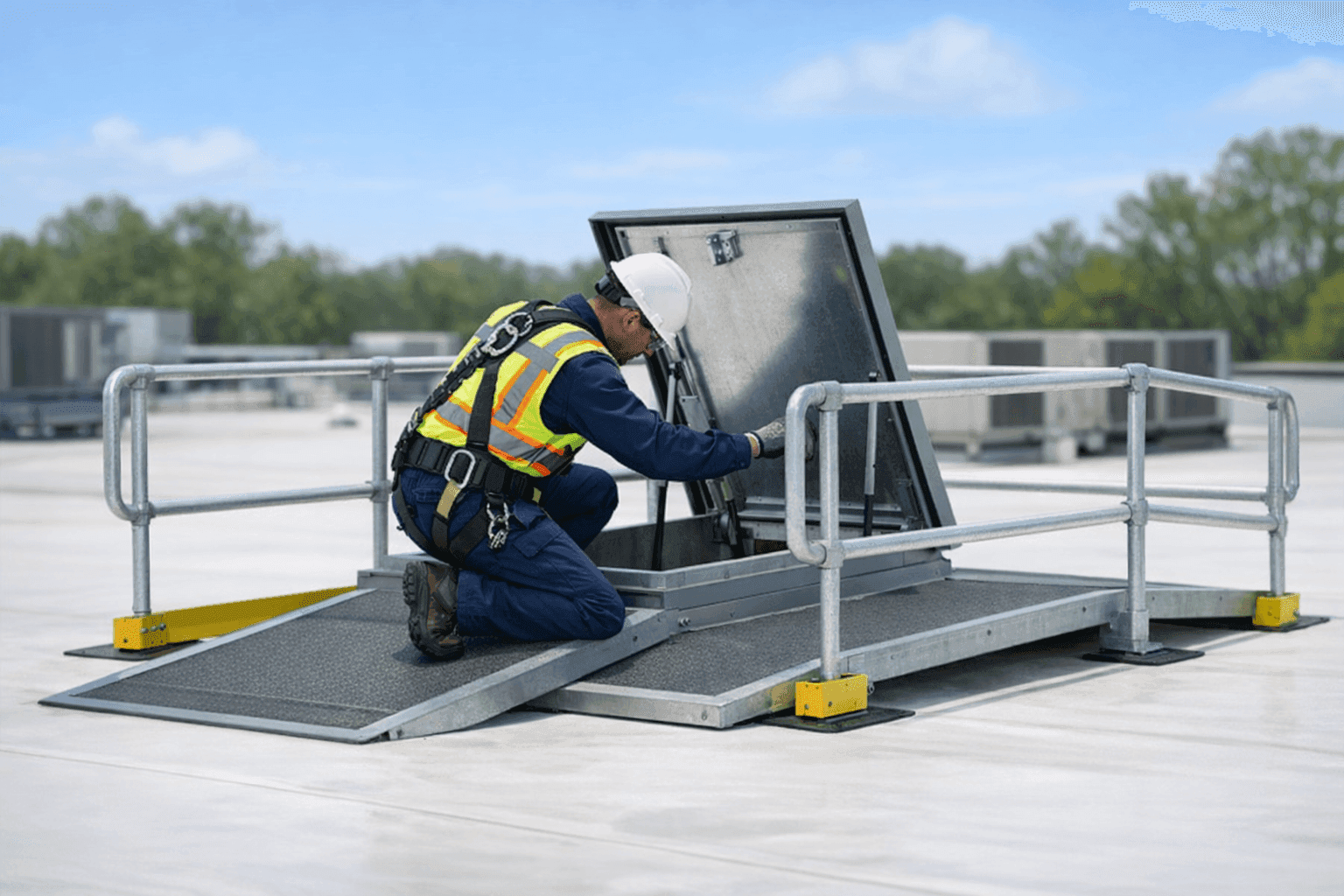
Every building deserves a safe, usable roof. It’s not just about shelter—it’s about making sure everyone, regardless of ability, can access vital roof areas when needed. At Robert Foley Roofing, we know that accessibility isn’t an afterthought. It’s built into every shingle, deck, and hatch.
Ignoring roof access can lead to costly mistakes, compliance headaches, and even safety risks. With ADA guidelines in place and building codes always evolving, smart planning helps property owners avoid trouble before it starts.
Why Roof Accessibility Matters 🏗️
Imagine a fire marshal, an HVAC tech, or a maintenance worker needing quick access to your roof. Now imagine they’re using a wheelchair, walking aid, or simply carrying heavy gear. Safe, accessible roofing isn’t just the law—it’s a lifeline.
Accessible roofs mean:
- Faster emergency response.
- Safer maintenance and inspections.
- Legal compliance (avoiding fines or lawsuits).
- Greater property value and peace of mind.
For commercial spaces, the Americans with Disabilities Act (ADA) sets expectations. For residential roofing, it’s about doing what’s right—removing barriers, not just for today, but for decades to come.
ADA Requirements for Roofing Access
The ADA isn’t just about ramps and elevators in lobbies. Section 206 of the 2010 ADA Standards for Accessible Design specifically calls out “accessible routes” to areas required for public or employee use. That means:
- At least one accessible route to roof areas if they're open to occupants.
- Clear width: At least 36 inches, unobstructed.
- Level landings at doors, hatches, and access points.
- Handrails and guards at stairs or ramps.
- Slip-resistant surfaces.
These requirements are echoed by the International Building Code (IBC) and OSHA standards, especially for commercial buildings. If your roof is part of a means of egress, or has equipment requiring routine maintenance, accessibility may be mandatory.
Designing Safe Access Points
A good roof is like a well-written book: every chapter (access point) should be easy to reach, understand, and use.
Key design elements:
- Permanent ladders with cages (where allowed by code).
- Walkways and decking: Non-slip, well-drained, and free of trip hazards.
- Guardrails: 42 inches high, strong enough to stop a fall.
- Hatches and doors: Wide, easy to open, with lever handles.
- Lighting: Motion-activated or dusk-to-dawn for visibility at any hour.
For many commercial roofs, decking near you can create stable, level walkways—perfect for both accessibility and routine maintenance. Skylights, vents, and service panels should never block paths.
Safe Access Checklist: What to Look For
Before climbing a ladder or sending a worker to the roof, review this punch-list:
- Are all access points clearly marked and unobstructed?
- Is the path slip-resistant, dry, and free of debris?
- Are handrails and guardrails solid and undamaged?
- Do hatches and doors open smoothly and close securely?
- Is there enough lighting for safe movement?
A quick check can prevent a long fall. If anything looks questionable, hit pause—risk isn’t worth it.
DIY or Call a Roofing Professional?
Some minor fixes—like tightening a handrail or clearing a walkway—are straightforward. But modifying access hatches, installing ramps, or rebuilding roof decking is a different story.
A professional roofer brings:
- Knowledge of ADA rules and local codes.
- Proper tools for installing compliant hardware.
- Experience with commercial and residential roof systems.
- The ability to spot problems you might miss.
Save the DIY spirit for painting a bedroom. When it comes to accessibility and safety, experience makes all the difference.
How Professionals Approach Roofing Access
When Robert Foley Roofing arrives, we don’t just patch and go. We:
- Inspect all existing access points for code compliance.
- Check decking, walkways, and guardrails for stability.
- Review roof plans to ensure accessible routes.
- Recommend upgrades where needed (such as non-slip coatings or improved lighting).
- Provide written documentation for compliance records.
No shortcuts. No guesswork. Just honest, code-driven advice.
Preventing Hazards: The Maintenance Mindset
Even the best-designed access points need routine attention. Debris, ice, loose fasteners, or shifting tiles can turn a safe path into a trap.
Simple maintenance tips:
- Schedule semi-annual inspections (spring and fall).
- Clear leaves, tools, and snow from walkways.
- Tighten bolts on railings, ladders, and hatch hardware.
- Apply slip-resistant coatings before the wet season.
- Document every inspection—date, findings, and repairs.
This isn’t just good practice. It’s often required by insurance and local codes.
Common Mistakes in Roof Accessibility
Over the years, we’ve seen the same errors trip up property owners:
- Narrow ladders or hatches that block wheelchair or walker access.
- Walkways built from slick materials—beautiful but dangerous when wet.
- Missing handrails, especially on older buildings.
- Doors or hatches that require two hands (not ADA-friendly).
- Ignoring roof access during renovations or new construction.
A single overlooked detail can lead to injury, fines, or lawsuits. Double-check the basics before signing off on any project.
When Is It an Emergency?
Sometimes, roof access isn’t about convenience—it’s about survival. After storms, fires, or equipment failures, quick access can mean the difference between minor damage and disaster.
If you’re in the Birmingham area and a storm or urgent repair leaves your roof unsafe or unreachable, don’t wait—local crews are available for roofing emergencies in Birmingham.
Materials and Equipment: What Works Best?
Not all materials are created equal. For accessible walkways and decking, look for:
- Fiberglass or aluminum walkways: Light, rust-proof, and slip-resistant.
- Polycarbonate or reinforced glass for skylights: Strong yet accessible.
- High-visibility, weatherproof lighting.
- Industrial-grade handrails and guardrails, permanently anchored.
Avoid untreated wood or metal prone to rust—these age quickly and become hazards.
Timeline & Disruption: What to Expect
Most access upgrades can be completed in days, not weeks. Simple fixes (handrails, non-slip coatings) take hours. Larger projects (rebuilding walkways, widening hatches) can take a few days longer, especially if weather delays pop up.
During work hours, expect some noise and foot traffic. Good contractors will coordinate with your schedule to minimize business or home disruption.
Inspections: Staying Ahead of Trouble
Regular inspections catch small issues before they become big, expensive headaches. OSHA recommends inspecting roof access points at least twice a year, or after any major storm.
Be proactive:
- Keep inspection records.
- Follow up on recommended repairs.
- Update accessibility features as codes evolve.
A little paperwork now can save a lot of paperwork later.
FAQ: Your Accessibility Questions, Answered
Q: Does the ADA apply to all roofs? A: Only if the roof is accessible to employees or the public. Private residential roofs are typically exempt, but local codes may still apply.
Q: What’s the minimum width for an accessible roof path? A: At least 36 inches clear, according to ADA and IBC guidelines.
Q: Are handrails always required? A: If you have stairs or ramps, yes. For flat walkways, guardrails may suffice.
Q: Can I use any ladder for roof access? A: No. Ladders must meet OSHA/IBC standards, be securely anchored, and allow safe, easy access.
Q: How often should I check my roof access areas? A: At least twice a year, plus after major weather events.
Seasonal Considerations: Staying Safe All Year
Rain, snow, and ice are the enemies of safe roof access. In winter, frequent checks for ice and snow buildup are a must. In spring, clear away leaves and check for storm damage. Summer heat can warp decking and loosen fasteners. Fall is perfect for a full inspection before storms arrive.
Local Support and Accessibility Awareness
Building codes and ADA enforcement can vary by region. Local inspectors may look for different features or enforce stricter guidelines. If you’re unsure about your property’s requirements, reach out to a roofing professional familiar with both national and local codes.
If you need on-site help or have questions about accessibility requirements in your region, local teams are available and understand your needs.
Conclusion: Build for Everyone’s Safety
A roof that’s accessible is a roof that’s safe, legal, and ready for anything. Whether you own a business, manage a property, or simply want peace of mind at home, ADA-compliant access points protect your investment and everyone who sets foot on your roof.
Call Robert Foley Roofing now — or reach us anytime at 844-684-1881 .