Roofing for Extreme Weather: Storm, Hail, and Wind Protection Tips
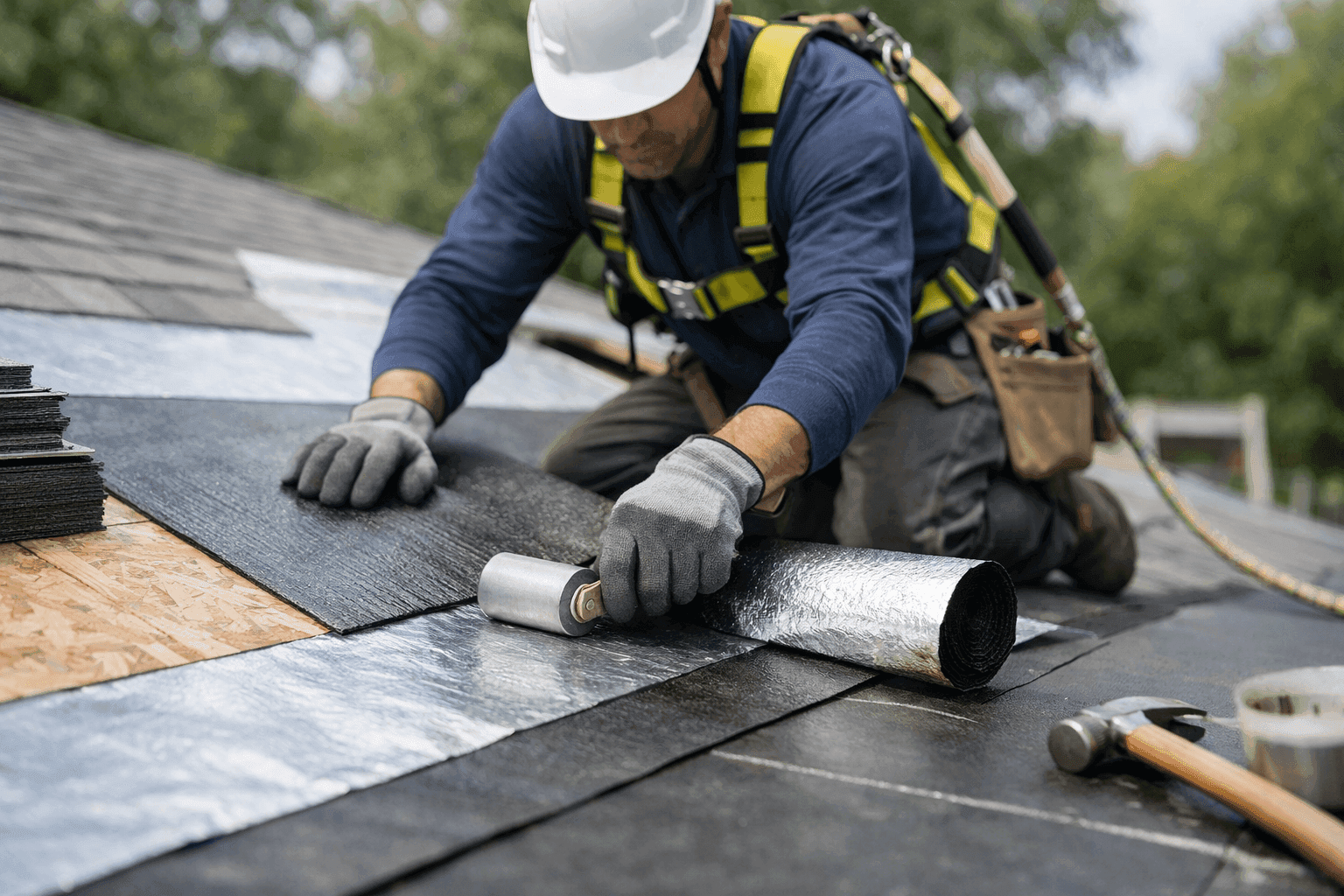
When the sky turns dark and the wind howls, your roof stands as the first—and sometimes only—line of defense between your family or business and the elements. At Robert Foley Roofing, we know just how quickly a peaceful afternoon can turn into a battle against hailstones, flying debris, and pounding rain.
Extreme weather doesn’t just test your patience; it tests your roof’s strength, quality, and resilience. Let’s break down what you can do today to help your roof weather tomorrow’s storm.
How Extreme Weather Damages Roofs 🌩️
Mother Nature doesn’t pull any punches. Storms, hail, and high winds can turn a solid roof into a patchwork of leaks and broken shingles. Here’s how:
- Hail acts like a hammer, denting metal, cracking tiles, and bruising asphalt shingles.
- Wind can pry up shingles like a mischievous child lifting stickers—one gust, and the protective barrier is gone.
- Heavy rain finds every weak spot, seeping into seams, flashing, and underlayment.
- Flying debris—branches, gravel, or even patio furniture—can puncture, tear, or scrape away layers of protection.
The result? Water intrusion, mold, insulation damage, and sometimes even structural issues. According to the Insurance Institute for Business & Home Safety, wind and hail are among the leading causes of property claims in the U.S.
Signs Your Roof Is Vulnerable
Most roofs don’t shout for help—they whisper. Look for these red flags:
- Missing, curled, or cracked shingles
- Granules collecting in gutters
- Dented metal, especially on vents or flashing
- Water stains on ceilings or walls
- Sagging or uneven roof lines
If you spot any of these, it’s time to act before the next storm rolls in.
Choosing Storm-Resistant Materials
Not all roofing is created equal. Some materials stand up to storms better than others:
- Impact-resistant shingles (Class 4 rated) shrug off hail better than standard ones.
- Metal roofing sheds rain and resists wind uplift, making it a solid choice for storm-prone areas.
- Clay and concrete tiles offer durability but need expert installation to resist wind.
- Synthetic slate and composite materials blend looks with resilience.
Ask about products that meet or exceed local building codes, such as those outlined by the International Building Code (IBC) or the Federal Emergency Management Agency (FEMA) guidelines for high-wind areas.
Decking: The Hidden Backbone
Decking is the unsung hero beneath your shingles or tiles. If it’s weak, even the best roofing material won’t save you. Plywood or oriented strand board (OSB) should be checked for rot, water damage, or loosened fasteners—especially after a major storm.
Roof Flashing and Chimney Seals
Water loves to sneak in where metal meets brick or wood. Flashing—those thin metal strips around chimneys, vents, and valleys—must be perfectly sealed and securely fastened. Even a tiny gap can let gallons of water through over time.
Gutter Systems: Your Roof’s Drainage Lifeline
Gutters and downspouts direct water away from your foundation. If they’re clogged, loose, or undersized, rainwater can back up and seep under shingles. Regular cleaning and proper installation are key—especially before storm season.
Maintenance and Upgrades for Protection 🛠️
Preventative steps today can save thousands tomorrow. Here’s what helps:
- Annual roof inspections: Catch small issues before they grow.
- Trim overhanging branches: Fewer projectiles during storms.
- Reinforce roof-to-wall connections: Hurricane straps and clips can keep your roof attached in high winds.
- Upgrade attic ventilation: Reduces moisture buildup and pressure during storms.
- Sealant and coating applications: Modern sealants add a waterproof layer, especially for flat or low-slope roofs.
If your roof has already seen its share of storms, consider professional storm damage restoration to repair structural and cosmetic issues before the next round of bad weather.
Quick Safety Checklist Before a Storm
- Secure outdoor furniture and grills
- Check attic for leaks or daylight peeking through
- Ensure gutters and downspouts are clear
- Close and lock skylights
- Photograph your roof and property for insurance records
When to Call an Expert
Some repairs are best left to professionals—especially after severe storms. If you notice widespread shingle loss, visible sagging, or major leaks, it’s time to reach out. For residents and businesses needing local support, Commerce City roofing is available for fast, reliable help when weather strikes.
DIY vs. Professional Repairs
A patch here, a dab of sealant there—DIY fixes can help in a pinch. But for anything beyond a missing shingle or a minor leak, professional assessment keeps you safe and ensures long-term solutions. Remember, working on a roof is risky, especially after a storm when surfaces can be slick or unstable.
Emergency Preparedness Tips ⚡
- Keep tarps, roofing nails, and a hammer handy for quick temporary fixes
- Know how to safely shut off electricity if water enters your home
- Store important documents in a waterproof container
- Save your roofer’s contact info in your phone
Common Mistakes to Avoid
- Ignoring minor damage (“It’s just one shingle…”)
- Waiting until after storm season for repairs
- Using mismatched materials for quick fixes
- Overlooking attic insulation or ventilation issues
Costs and Time Factors
The price of storm-proofing your roof depends on materials, the extent of upgrades, and roof size. Asphalt shingle repairs may be quick and affordable, while metal or tile replacements can take longer and cost more. Emergency repairs usually come at a premium but prevent much larger losses.
Seasonal Considerations
Spring and fall are ideal for preventative maintenance. Summer brings hail and high winds in many regions, while winter can stress roofs with ice and snow. Schedule inspections before each season to stay ahead of trouble.
Timeline & Disruption: What to Expect
Most minor repairs and maintenance can be completed in a day or two. Full replacements or upgrades may take longer, depending on weather and material availability. Reputable roofing crews minimize disruption and keep your property tidy throughout the process.
FAQs: Extreme Weather Roofing
Q: How often should I have my roof inspected?
A: At least once a year, and after any major storm.
Q: Are impact-resistant shingles worth it?
A: Yes—especially in hail-prone areas, they can reduce damage and may even lower insurance premiums.
Q: Do gutters really matter for storm protection?
A: Absolutely. Proper drainage prevents water intrusion and foundation damage.
Final Thoughts: Your Roof, Your Shield
Every storm is a test. With the right materials, regular care, and a little preparation, your roof can stand strong against whatever the forecast brings. Whether you need decking near you, help with a leak, or a full storm damage assessment, Robert Foley Roofing is ready to help.
Call Robert Foley Roofing now — or reach us anytime at 844-684-1881 .