Roofing for Home Sellers: Inspection and Repair Checklist for Top Value
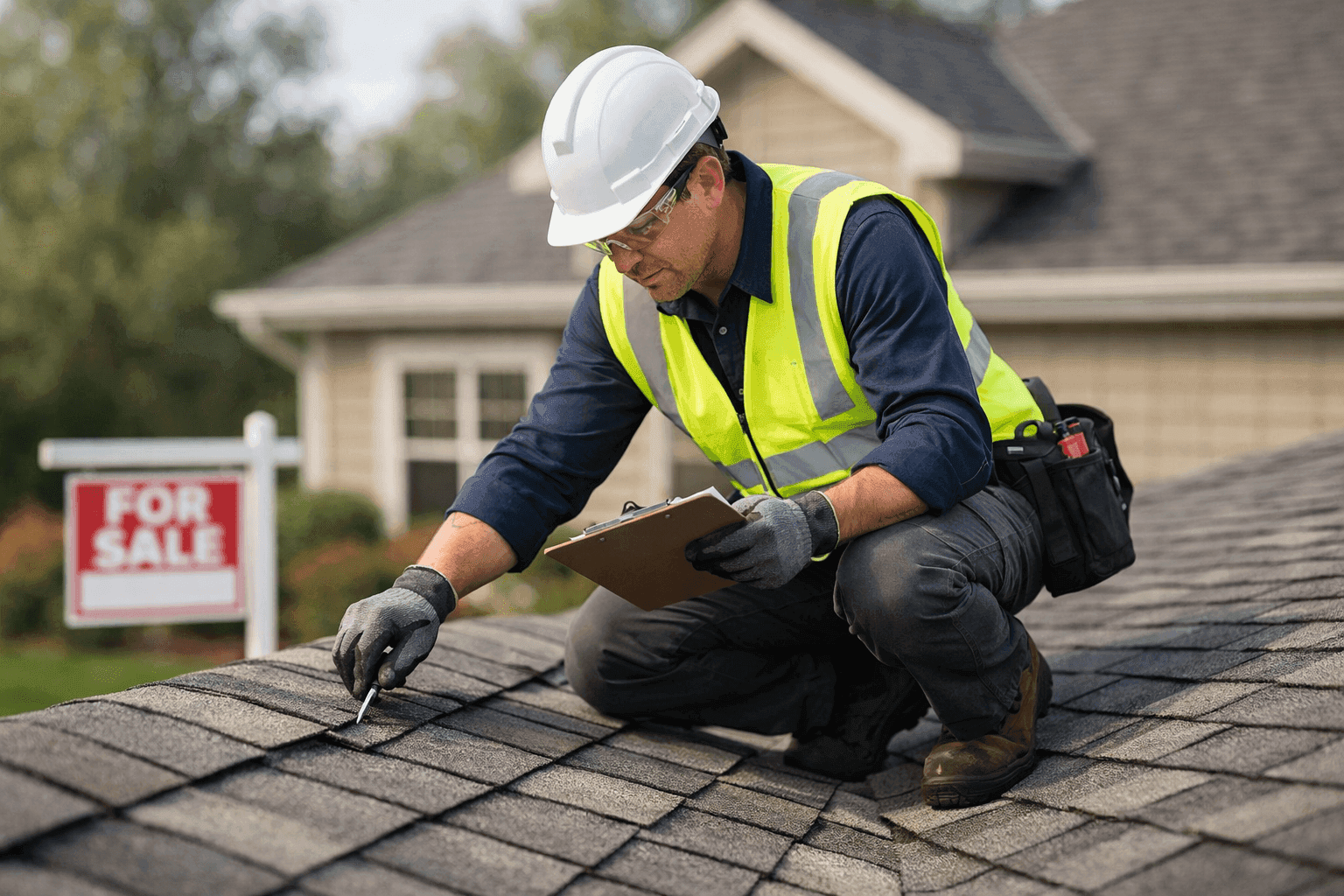
Selling your home is a big move, both literally and financially. The last thing you want is a deal falling through because of a leaky roof or hidden storm damage. Buyers notice the roof first—sometimes before they even step inside.
A solid roof tells buyers your home is cared for. A neglected one? It raises red flags, invites lower offers, and can even stall the sale. Let’s walk through what you need to know to get your roofing ready for the spotlight.
Why Roof Condition Matters for Home Sales 🏠
Your roof is more than just a hat for your house. It’s a shield—protecting everything beneath it. When you list your home, the roof’s condition can tip the scales for buyers. A well-maintained roof signals peace of mind. A worn-out one? It screams “hidden costs.”
Real estate agents agree: roof issues are one of the top deal-breakers during inspections. According to the International Association of Certified Home Inspectors (InterNACHI), roofing problems are among the most common findings that delay closings or force price reductions.
In short, a good roof can speed up your sale and help you get top dollar. A bad one can do the opposite.
Pre-Sale Roof Inspection Checklist
Before you put up that “For Sale” sign, it’s time for a close look at your roof. Think of it as a health check-up. Here’s what to include:
- Shingles or Tiles: Look for missing, cracked, or curling pieces. Dark patches may signal water absorption.
- Flashing: Check metal strips around chimneys, vents, and skylights for rust, gaps, or lifting.
- Decking: Walk the attic (if safe) and look for sagging or water stains on the wood beneath the roof.
- Gutters and Downspouts: Make sure they’re clear, securely attached, and draining away from the foundation.
- Attic Insulation and Ventilation: Poor airflow can lead to mold and shorten roof life.
- Skylights and Chimney Flashing: Inspect for leaks and ensure seals are tight.
- Sealants and Coatings: Examine for cracking or peeling around joints and seams.
- Signs of Leaks: Water stains on ceilings or walls inside the home can mean trouble above.
If climbing a ladder isn’t your thing, or you want a thorough, professional eye, consider scheduling roof inspections before listing your property.
Repair and Upgrade Priorities
Not every roof needs a full replacement before selling. Sometimes, strategic repairs make all the difference. Here’s where to focus:
- Fix Leaks First: Even a small drip can scare off buyers.
- Replace Missing or Damaged Shingles/Tiles: Patch up bare spots and swap out cracked pieces.
- Repair Flashing: Secure loose flashing around chimneys, skylights, and valleys.
- Clean and Repair Gutters: Remove debris, tighten hangers, and fix leaks.
- Seal Vents and Penetrations: Use high-quality sealant on vent pipes, attic fans, and satellite mounts.
- Address Moss or Algae: Clean away green patches, as they signal moisture issues.
- Upgrade Where It Counts: Consider energy-efficient options like improved insulation or reflective coatings if your roof is older.
If you’re unsure which repairs will have the biggest impact, a reputable contractor can help you prioritize. For more extensive issues—like sagging, widespread leaks, or major storm damage—explore roof repair services to tackle the essentials before showings begin.
Documentation for Buyers 📋
Transparency builds trust. Buyers—and their agents—will want to see proof of roof maintenance and repairs. Gather these documents:
- Inspection Reports: Provide a copy of any recent roof inspections.
- Repair Receipts: Save invoices for all work done, whether minor fixes or big projects.
- Warranty Info: If your roof or materials are under warranty, have the paperwork ready.
- Insurance Claims: If you’ve had storm damage repairs, include claim summaries and contractor documentation.
- Maintenance Records: Notes on gutter cleaning, moss removal, or regular check-ups can reassure buyers.
Having these documents on hand can smooth negotiations and avoid last-minute surprises.
Signs of Trouble: What Buyers Notice
Buyers (and their inspectors) are trained to sniff out roof problems. Here’s what they’ll spot:
- Water stains or bubbling paint on ceilings and walls
- Shingle granules in gutters or at downspout exits
- Daylight visible through attic boards
- Soft spots or sagging when walking on the roof
- Rusty, loose, or missing flashing
- Mold or mildew smells in the attic
Catch these early, and you control the narrative—not the buyer’s inspector.
DIY vs. Professional Help
Some tasks, like clearing gutters or replacing a shingle, might be safe for a handy homeowner. But most pre-sale roof work is best left to the pros. Roofing involves heights, specialized tools, and safety risks.
A professional brings experience, the right materials, and an eye for hidden issues. They also know local building codes and safety regulations (see OSHA guidelines for roof work). That’s peace of mind for you—and your buyer.
When It’s an Emergency
Sometimes, a storm hits right before your open house. Or you spot a sudden leak after heavy rain. Don’t panic. Emergency roofers can handle urgent repairs fast. If you’re in North Jersey, you’ll find reliable roofing services in Hackensack with quick response times.
Fast action can prevent small problems from turning into deal-breaking headaches.
Seasonal Considerations
Spring and fall are prime times for roof work. In winter, snow and ice can hide problems or make repairs tricky. In summer, heat can make certain repairs (like sealant work) less effective.
Schedule inspections and repairs ahead of the real estate rush. That way, you’re not scrambling when buyers are lining up.
Common Mistakes Home Sellers Make
- Ignoring minor leaks or stains—buyers will notice.
- Waiting until the last minute to schedule repairs.
- Skipping documentation, which raises buyer suspicion.
- Over-improving with expensive upgrades that don’t return their cost.
- Forgetting about gutters, skylights, or attic ventilation.
Avoid these, and you’ll sidestep many common closing headaches.
Timeline & Disruption: What to Expect
Most minor roof repairs take a day or less. Larger jobs—like partial replacements—might need several days, especially if weather delays pop up. Plan for some noise and mess, but a good crew cleans up thoroughly.
Coordinate with your realtor to schedule work before showings or open houses. This keeps your home looking its best for every visitor.
Materials and Equipment: What Matters to Buyers
Buyers love roofs that last. Durable materials like architectural shingles, metal panels, or tile signal long-term value. Eco-friendly options—think recycled-content shingles or energy-saving coatings—are increasingly popular.
Make sure repairs match your existing materials for a seamless look. If you’re upgrading, choose styles and colors that complement your home’s curb appeal.
Prevention & Maintenance Tips
Even if your roof is in good shape, a little maintenance goes a long way:
- Clean gutters twice a year.
- Trim overhanging branches.
- Check for loose or missing shingles after storms.
- Look for signs of animal or insect intrusion in the attic.
- Schedule regular roof inspections to catch issues early.
A well-maintained roof is a selling point—and a comfort to buyers.
Final Thoughts: Maximizing Value with the Right Roofing Moves
Preparing your roof for sale isn’t just about passing inspection. It’s about telling a story: This house has been cared for. This roof will protect you for years to come.
A little planning, a few smart repairs, and clear documentation can boost your sale price and help your home stand out in a crowded market.
Call Robert Foley Roofing now — or reach us anytime at 844-684-1881 .