Roofing for New Construction: Planning, Materials, and Timeline
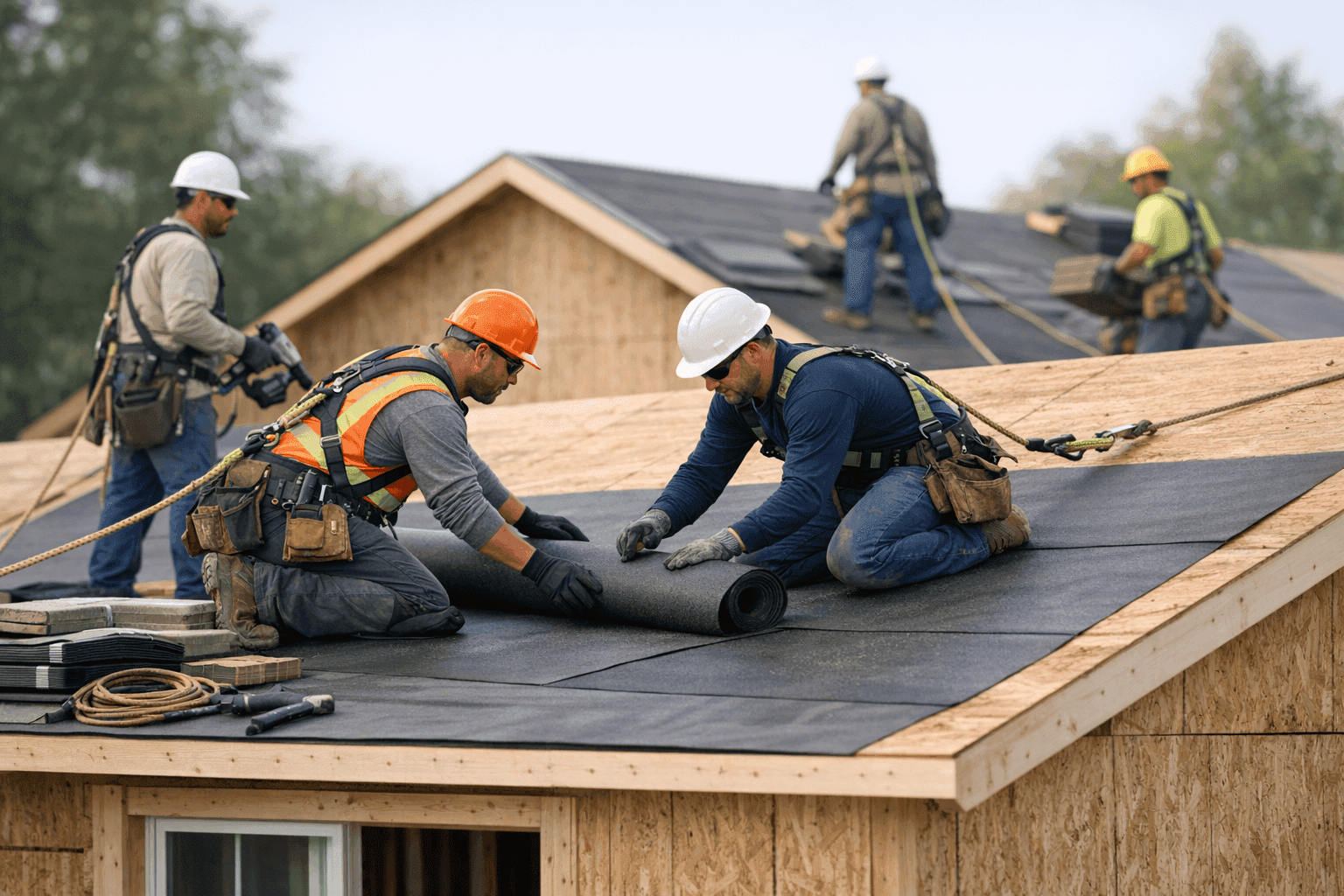
Building a new home or commercial space is a leap into the future—one decision at a time. Few choices have as much impact as your roof. It shelters everything inside, defines your structure’s look, and sets the tone for long-term maintenance.
At Robert Foley Roofing, we know every new build is unique. That’s why getting your roofing plan right, from the first sketches to the final shingle, matters. Let’s walk through the steps that shape a safe, lasting roof—without the missteps that can slow you down or drain your budget.
Roofing in the Construction Process 🏗️
Think of the roof as the umbrella that lets the rest of your building happen. It’s not just another task on the schedule—it’s a milestone. Roofing work usually falls after framing but before interior finishes. That’s because proper sequencing keeps your build protected from the elements, right as things get critical.
A roof that’s installed too early risks damage from ongoing construction. Too late, and weather can ruin your progress. The National Roofing Contractors Association (NRCA) recommends coordinating closely with your builder and roofer to lock in your timeline. This ensures your roof is ready when your structure is, with decking and roof replacement options lined up if issues surface.
Choosing the Right Materials
Selecting your roofing material is like picking the right shoes for a long journey. The wrong choice can mean blisters—leaks, repairs, or even early replacement. The right one? Years of confident steps.
Consider these options:
- Shingle roofing: Familiar, affordable, and quick to install. Popular for homes and small businesses.
- Metal roofing: Lasts decades, stands up to harsh weather, and can lower cooling costs. Ideal for both residential and commercial projects.
- Tile roofing: Stylish and durable, but heavier—your structure must be built to carry the weight.
- Flat roofing: Common in commercial builds, offering easy access for maintenance and a modern look.
- Eco-friendly options: Cool roofs, recycled materials, and green roofing systems can reduce your environmental footprint.
Don’t forget decking—the foundation your roof sits on. Choosing sturdy, code-compliant decking ensures your roof’s integrity. If you’re searching for decking near you, make sure your contractor understands local building codes and weather patterns.
Planning the Roofing Timeline
A smooth roofing timeline is a bit like choreography—every step must land on cue. Here’s how to keep your project moving:
- Pre-construction prep: Finalize plans, permits, and materials before the first nail is hammered.
- Decking installation: Once framing is complete, your roofer installs the base. This is the moment to double-check for structural soundness.
- Underlayment & flashing: These layers add critical water resistance. Think of them as your roof’s raincoat and boots.
- Material installation: Shingles, metal, or tiles are installed, followed by sealing and finishing touches.
- Inspection: Before anyone signs off, a final check ensures everything meets local codes and manufacturer guidelines.
For many projects, the roofing process can take anywhere from a few days to several weeks, depending on size and material. Factor in weather, crew availability, and supply lead times. Staying flexible here can save you from headaches down the line.
Common Pitfalls to Avoid
Even the best-laid plans can stumble over a few common hurdles:
- Rushing the process: Cutting corners to save time often leads to costlier repairs later.
- Ignoring the weather: Rain, high winds, and extreme temperatures can all delay or damage a new roof.
- Poor ventilation: Without proper airflow, your attic turns into a sauna—damaging insulation and materials.
- Mismatched materials: Not every shingle, panel, or tile works with every building design or climate.
- Skipping inspections: Minor issues can hide in plain sight. Always insist on thorough checks at every stage.
Why Decking Matters
Decking is the unsung hero beneath every roof. It’s the sturdy platform holding everything together. If it’s weak, even the best shingles or tiles won’t stand a chance against heavy rain or snow. Always use code-approved materials and check for moisture or warping before installation.
The Importance of Roof Flashing
Flashing is the metal or rubber barrier that keeps water out where the roof meets walls, chimneys, and skylights. Faulty flashing is one of the most common sources of leaks. Make sure your contractor uses high-quality materials and follows manufacturer guidelines.
Safety First: Quick Checklist
Working on a roof isn’t just high up—it’s high risk. The Occupational Safety and Health Administration (OSHA) sets clear requirements for fall protection, ladder use, and harnesses. Before work begins, confirm your crew is trained and equipped. Safety isn’t a step to skip.
Permits, Codes, and Inspections
Every city and county has its own rules. Missing a step here can mean fines or even having to redo work. Check with your local building department, and always have a permit in hand before roofing begins. Your roofer should be familiar with International Building Code (IBC) requirements and any local amendments.
Timeline & Disruption
Construction schedules are tight. Roofing can be noisy and messy, but a good crew minimizes disruption. Talk to your builder and roofer about sequencing—roofing should not overlap with sensitive interior work or landscaping. Clear communication keeps surprises to a minimum.
When It’s an Emergency
Sometimes, weather throws a curveball—a sudden storm, a fallen branch, or a surprise leak. That’s when you need a roofer who can respond fast. Local teams can often help sooner. For instance, our crew is available for residential and commercial work in St. Charles and surrounding areas.
Preventative Maintenance Starts Now
Think ahead. A little attention after installation—like cleaning gutters, checking flashing, or scheduling seasonal inspections—can double the life of your roof. Preventative maintenance is like regular oil changes for your car: easy to forget, but essential for long-term performance.
DIY or Call a Pro?
Installing or repairing a new roof is not a weekend project. The risks are real, and mistakes can be costly. Professional crews bring experience, safety gear, and the right tools for the job. If you want peace of mind, or if your build has tricky features like skylights or chimneys, call in the pros.
Commercial vs. Residential Roofing
The basics are the same, but commercial roofs often use different materials and designs. Flat roofs, membrane systems, and complex ventilation are common in commercial work. Residential projects might focus more on curb appeal and insulation. Either way, plan for your building’s unique needs.
Coordinating with Other Trades
Roofers, framers, HVAC crews, and electricians all need access at different times. Miscommunication can waste days or materials. A good general contractor will coordinate these timelines, but don’t hesitate to ask how your roofing fits into the bigger schedule.
Costs & Budgeting
Budgets matter. Roofing costs depend on size, material, and any custom features. Build in a buffer for weather or supply delays. Your contractor should provide a clear, itemized estimate—no surprises, just clarity.
Seasonal Considerations
Spring and fall are usually best for roofing—temperatures are mild, and weather is more predictable. Extreme heat or cold can affect installation quality. Plan your schedule with the seasons in mind.
Next Steps: Lining Up Your Roofing Partner
Ready to start? Make sure your plans include a trusted roofing crew that’s experienced with new construction projects and all the details that come with them, from decking to final inspection. Discuss your timeline, material preferences, and any unique features upfront.
Call Robert Foley Roofing now — or reach us anytime at 844-684-1881 .