Roofing for Older Homes: Upgrades, Repairs, and Preservation Tips
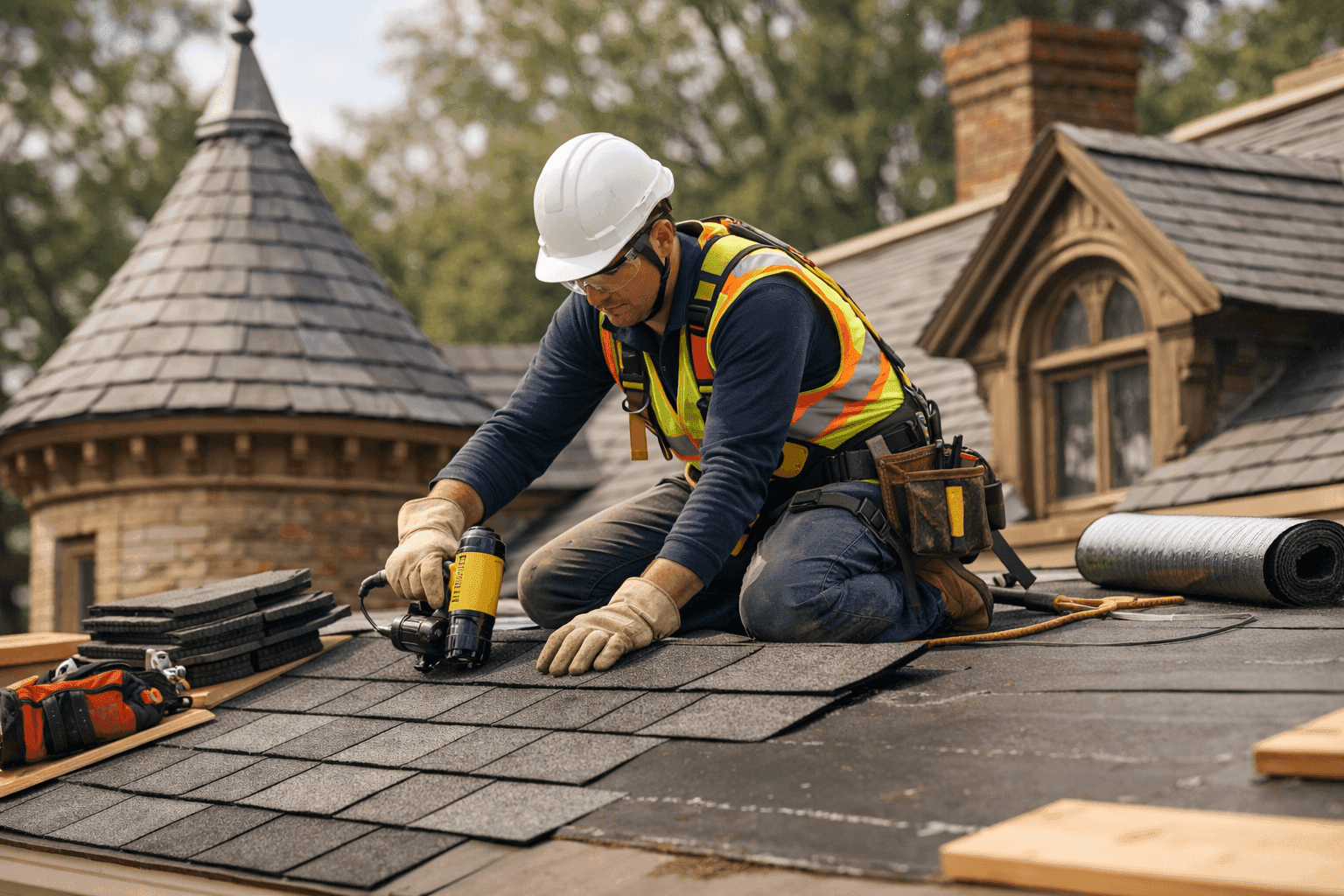
Old homes tell stories. Their roofs, however, often whisper warnings—leaks, sagging, missing tiles. If you own (or manage) a property with a history, you know: Roofing on older homes isn’t just about shingles. It’s about protecting character, navigating unique challenges, and making upgrades that last.
At Robert Foley Roofing, we understand the care it takes to preserve what matters, while helping your roof stand strong against modern weather and time.
Unique Challenges of Roofing Older Homes 🏚️
Older homes are like wise elders—they have quirks, strengths, and hidden weaknesses. Roofing them isn’t always straightforward. Here’s why:
- Unpredictable Structures: Rafters might be hand-cut. Decking could be aged or undersized. No two roofs are quite the same.
- Historic Materials: Clay tiles, slate, wood shakes, or metal may be original. Matching or repairing these can be tricky.
- Building Codes & Preservation Laws: Many homes fall under local or national preservation guidelines. Any change must be sensitive to history—and legal.
- Hidden Surprises: Water damage, rot, or outdated flashing often lie beneath the surface.
Every project starts with respect for both the home’s story and your safety.
Assessing and Repairing Vintage Roofs
Before ladders hit shingles, a careful inspection is key. This isn’t just about spotting leaks—it's about understanding what decades (or centuries!) have done.
What to Expect During a Roof Inspection
- Exterior Survey: Missing tiles, curling shingles, moss, and sagging spots.
- Interior Checks: Attic stains, daylight peeking through, insulation gaps.
- Structural Review: Rafters, decking, and underlayment for signs of weakness or water damage.
National roofing standards (such as those from the National Roofing Contractors Association) recommend inspections at least twice a year for older properties.
When is Repair the Right Choice?
Not every old roof needs full replacement. Skilled repair can:
- Replace missing or damaged shingles and tiles.
- Patch leaks and reinforce flashing.
- Treat minor rot or damaged decking.
Learn more about practical roof repair options for older homes and how a thoughtful approach can add years to your roof’s life.
Upgrade Options for Energy and Longevity
Roofs are your building’s helmet. Old homes rarely had the luxury of modern insulation or weather barriers. Upgrading now pays off in comfort and energy bills.
Practical Upgrades to Consider
- Modern Underlayment: High-performance waterproofing beneath your roofing.
- Insulation & Ventilation: Reduces ice dams, heat loss, and moisture buildup.
- Eco-Friendly Materials: Today’s recycled shingles or metal panels offer both strength and sustainability.
- Gutter & Downspout Improvements: Direct water away, prevent rot and foundation issues.
When repairs are no longer enough, a replacement may be the smart move. Explore roof replacement services for vintage and historic properties for details on materials and process.
Preserving Historic Character
A new roof should never erase a home’s soul. Historic preservation isn’t just about looks—it’s about honoring craftsmanship and community legacy.
Tips for Maintaining Historic Appeal
- Match Materials and Profiles: Source reclaimed tiles or period-appropriate shingles where possible.
- Respect Color and Texture: Even small differences can change a home’s character.
- Consult Preservation Guidelines: Local authorities often have requirements for visible repairs.
If you’re feeling stuck between modern needs and historic rules, the National Park Service’s Preservation Briefs can be a helpful resource.
Common Roofing Mistakes on Older Homes
Even well-intentioned work can go wrong. Here are pitfalls to avoid:
- Using modern materials that clash with original architecture.
- Overloading old rafters with heavy roofing.
- Ignoring hidden rot or inadequate ventilation.
- Skipping required permits or preservation approvals.
A little caution goes a long way toward keeping your investment safe.
Quick Safety Checklist Before Any Work
- Secure all pets and children indoors.
- Move vehicles away from work zones.
- Check attic for valuables—dust and debris can fall through gaps.
- Alert your roofing crew to any known hazards (weak decking, low wires).
DIY vs. Professional Roofing: Know Your Limits
Spotting a missing shingle? Clearing a gutter? These might be safe for handy homeowners. But when you’re dealing with steep slopes, fragile materials, or aged wood, calling a pro is the safer bet. Professional crews have the training and equipment to avoid costly slips or structural mishaps.
What Roofers Do On Arrival
- Assess the safest access points.
- Identify material types and any fragile areas.
- Protect landscaping and exterior features.
- Communicate repair or replacement steps clearly before work begins.
Seasonal Considerations for Maintenance
Weather is the silent enemy of old roofs. Spring and fall are prime times for inspections and repairs. Winter snow or summer heat can worsen small problems fast. If you’re in areas with rough winters—like roofing customers in Pocatello—timing repairs before the first frost is especially important.
Signs of Trouble: What to Watch For
- Water stains on ceilings or walls.
- Shingles or tiles on the ground after storms.
- Rusted flashing or sagging gutters.
- Musty attic smells or visible mold.
Spotting these early can mean the difference between a small fix and a major overhaul.
Prevention & Maintenance: Keeping History Alive
- Schedule regular inspections—even if things seem fine.
- Clean gutters and downspouts every season.
- Trim trees to prevent roof damage from falling limbs.
- Reapply sealants and coatings as recommended for your roofing type.
Costs, Time, and Living with the Disruption
Roofing work can be noisy and dusty. Most repairs on vintage homes take a few days; full replacements, a week or more. Costs vary based on materials and complexity, but investing in quality now means fewer headaches later.
When It’s an Emergency
Sudden leaks or storm damage? Old roofs can be vulnerable. Emergency tarping and immediate repairs can prevent further harm. Local teams are ready—especially during wild weather months.
Timeline: What to Expect
- Inspection: 1–2 hours
- Minor Repairs: 1–2 days
- Full Replacement: 3–7 days (weather permitting)
- Cleanup: Final walk-through ensures your property is safe and tidy.
Final Thoughts: Honoring the Past, Protecting the Future
Roofing for older homes blends craftsmanship with modern solutions. It’s about securing your investment, respecting history, and building comfort for years to come.
Call Robert Foley Roofing now — or reach us anytime at 844-684-1881 .