Roofing for Solar Panels: Preparation, Installation, and Maintenance
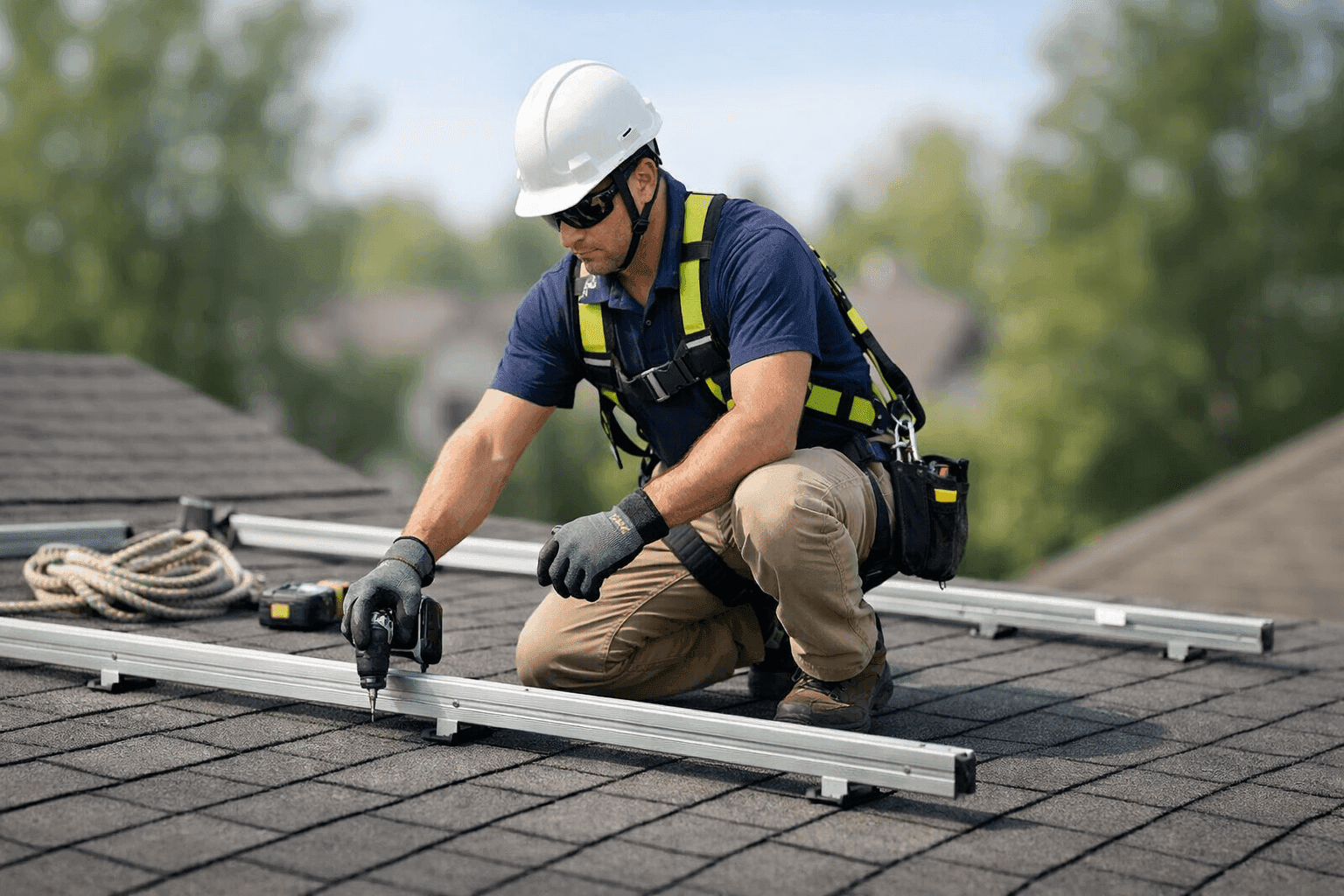
Every rooftop tells a story. Adding solar panels is like giving your home or business a new chapter—one that's brighter, cleaner, and more efficient. But before those panels can soak up the sun, your roof needs to be ready for the task. At Robert Foley Roofing, we know the path to solar starts with solid groundwork.
Solar panels can slash your energy bills and boost property value, but only if your roof is up to the challenge. Poor prep or hasty installation can leave you with costly leaks or stress cracks. That's why it's smart to consider the whole roofing system before making the leap.
How to Prepare Your Roof for Solar Panels
Solar panels are a big investment. The last thing you want is to install them on a roof that’s past its prime. Think of it like building a treehouse—you need sturdy branches before you add the house.
Roof Age and Condition
- Check the age: Asphalt shingle roofs typically last 20-25 years; metal and tile can last even longer. If your roof is near the end of its life, consider replacement before installing solar.
- Inspect for damage: Look for curling shingles, soft spots, or granule loss. These are red flags.
- Structural integrity: Solar panels add weight. A professional assessment ensures your decking and supports can handle the load.
Gutter and Drainage Check
Solar panels change how rain and debris flow off your roof. Make sure gutters and downspouts are clear and properly installed, or you could end up with standing water and rot.
Ventilation and Skylights
Obstructions like vents, skylights, or chimneys can affect panel placement. If you’re planning skylight installation or need repairs, address these before solar goes up.
Local Codes and Permits
Before any work begins, check building codes and HOA rules. The National Roofing Contractors Association (NRCA) and International Building Code (IBC) offer best practices for safe solar integration.
Installation Process and Best Practices ⚡
You wouldn’t hang a painting on a crumbling wall. Solar panels are no different—they need a secure, flat surface.
Step-by-Step Overview
- Professional Inspection: A licensed roofer will assess your roof’s structure and surface.
- Repairs or Upgrades: Address leaks, damaged flashing, or weak decking before installation. If your roof is due for an upgrade, you might explore new roof installation options for maximum lifespan.
- Layout Planning: Solar installers plan panel placement to optimize sun exposure. This may involve moving vents or adjusting flashing.
- Mounting System: Racking is attached to the rafters—not just shingles—to keep panels steady in wind or storms.
- Weatherproofing: Flashing and sealants are critical around mounting points to prevent leaks.
- Panel Installation: Panels are attached, wired, and connected to your home’s electrical system.
Best Practice Tips
- Coordinate schedules: Roofing and solar crews should work together to avoid damage or miscommunication.
- Choose quality materials: Sturdy flashing, corrosion-resistant fasteners, and UV-stable sealants are a must.
- Safety first: Crews should follow OSHA safety standards, including harnesses and fall protection.
Maintenance Tips for Solar Roofs 🌞
Solar panels are low maintenance, but your roof still needs care. Treat your solar setup like a garden—prune, clean, and inspect to help it thrive.
- Annual inspections: Have a roofing pro check for wear, loose panels, and water intrusion once a year.
- Keep it clean: Debris and leaves can block sunlight and trap moisture. A gentle rinse keeps panels efficient.
- Monitor gutter flow: Panels can change how water drains; ensure gutters are clear and directing water away from the foundation.
- Sealant checks: Over time, sealants can crack. Touch up as needed to prevent leaks.
- Look for signs of trouble: Water stains, musty smells, or new drafts inside can signal problems above.
If you notice persistent leaks or shifting panels, consider roof repair before things get worse.
When to Upgrade Your Roof Before Solar
Sometimes, a fresh start is best. Here’s when to consider a new roof before going solar:
- Roof age: If your roof is more than 15 years old, replacement can save money and hassle later.
- Extensive damage: Widespread leaks, sagging, or missing shingles mean it’s time.
- Material mismatch: Some roofs (like wood shake or slate) don’t pair well with standard solar mounts.
- Energy efficiency: Newer roofing materials can improve insulation, making your property even more efficient.
Think of it as laying a new road before you buy a new car—it just makes sense.
Safety Checklist Before Solar Installation
- Ensure all work areas are clear and accessible.
- Confirm proper fall protection and scaffolding is in place.
- Double-check all electrical shutoffs before panel wiring.
- Review all local safety codes and manufacturer guidelines.
The National Fire Protection Association (NFPA) recommends accessible pathways for firefighters—keep this in mind during planning.
DIY or Call a Pro?
Solar and roofing work isn’t a weekend DIY project. Roofing pros understand how to preserve your warranty, avoid leaks, and ensure everything’s up to code. A misstep here is like pulling the wrong thread on a sweater—one tug and the whole thing unravels.
What Roofing Pros Do on Arrival
When Robert Foley Roofing arrives, we:
- Inspect all roofing layers, decking, and supports.
- Identify potential hazards or weaknesses.
- Coordinate with your solar installer to plan safe, optimized panel placement.
- Advise on necessary repairs or upgrades.
Prevention & Maintenance: Long-Term Care
- Schedule annual inspections after major storms or heavy snow.
- Trim overhanging branches that could shade panels or drop debris.
- Use manufacturer-recommended cleaning tools to avoid scratching panels or damaging your roof.
Costs & Time Factors
Solar panel prep can add some cost up front, but it pays off. Roof repairs or replacement before installation help you avoid double labor or emergency repairs later. Most solar-ready roofing jobs can be completed in a few days, weather permitting.
When It’s an Emergency
Leaks or sagging after solar installation should be treated like a burst pipe—don’t wait. Fast action prevents bigger headaches down the road. If you’re in the area and need urgent help, local roofing support is available in Bristol for both solar prep and emergencies.
Frequently Asked Questions
Q: Will solar panels damage my roof?
A: Not if installed correctly! Proper mounting and flashing protect against leaks and structural damage.
Q: Do I need a new roof for solar?
A: Not always, but if your roof is aging or damaged, it’s smart to replace it first.
Q: How long does installation take?
A: Prep and installation typically take 2–5 days, depending on roof size and repairs needed.
Seasonal Considerations
Snow, ice, and heavy winds can affect both your roof and solar panels. Regular seasonal inspections help you spot small issues before they grow.
Common Mistakes to Avoid
- Skipping a roof inspection before solar installation.
- Overlooking gutter cleaning or drainage adjustments.
- Ignoring small leaks or damaged flashing.
Avoid these pitfalls to keep your solar investment shining for years.
Signs of Trouble After Solar Installation
- New leaks or water stains inside.
- Visible sagging or shifting panels.
- Unusual roof noises during wind or rain.
Don’t ignore these warning signs—quick action protects your roof and solar system.
Timeline & Disruption
Most solar roofing prep causes minimal disruption, but plan for some noise and foot traffic. Clear driveways and walkways for easy crew access.
Materials and Equipment
Choose materials that match your climate and roof type—sturdy decking, high-quality sealants, and corrosion-resistant mounts. These small choices make a big difference in long-term performance.
Ready to make your roof solar-ready? Whether you need prep, repair, or a full new installation, we’re here to help every step of the way.
Call Robert Foley Roofing now — or reach us anytime at 844-684-1881 .