Roofing in Extreme Heat: Summer Maintenance and Material Choices
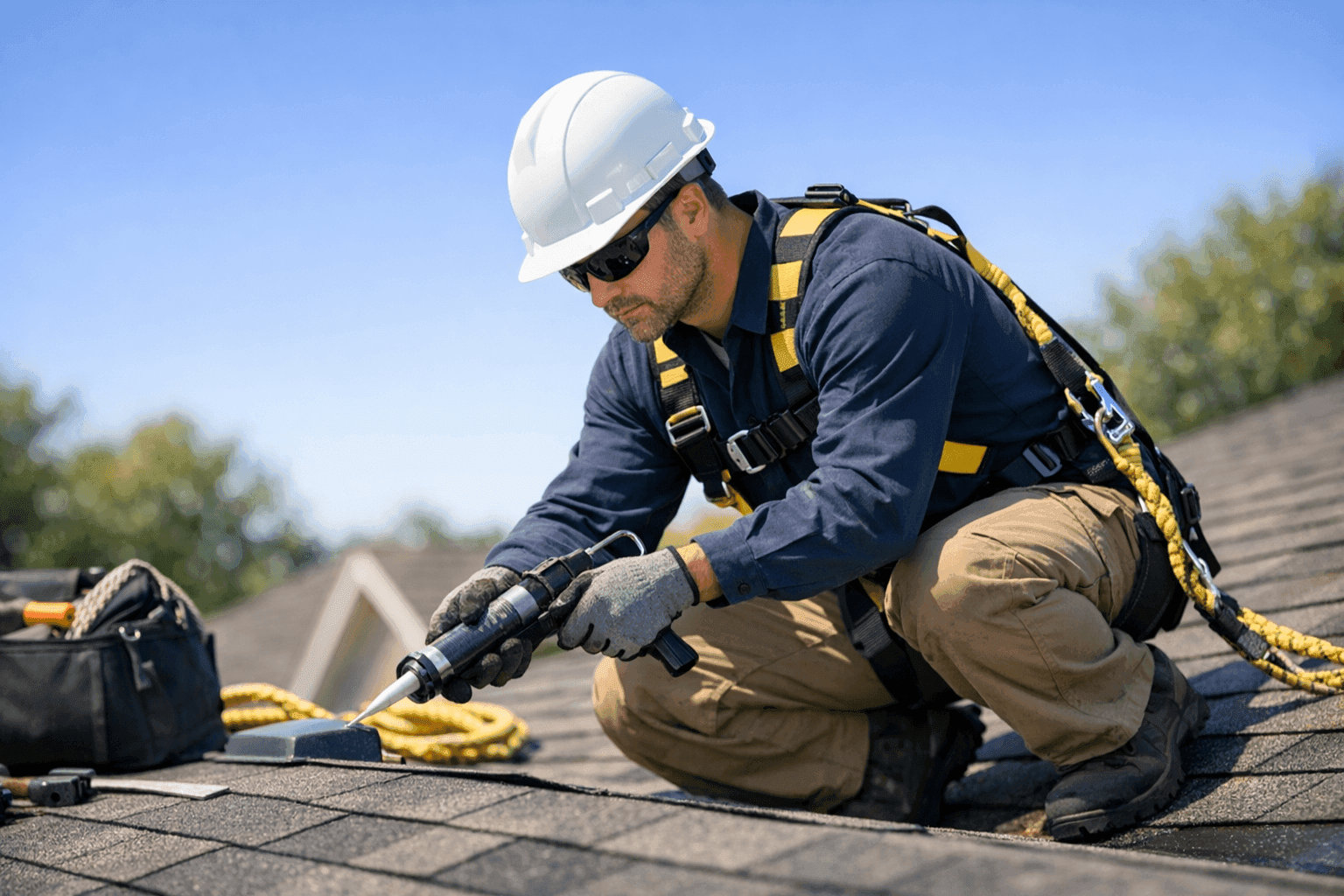
When summer hits its stride, your roof is the first line of defense between your family or business and the relentless sun. At Robert Foley Roofing, we know that a roof isn’t just a hat for your building—it’s a shield, a barrier, and sometimes, the only thing standing between a cool, comfortable interior and a sweltering, stormy day.
But extreme heat is more than just an inconvenience. It’s a silent force that can warp, crack, and shorten the life of even the toughest roofing systems. Whether you’re a homeowner or a property manager, knowing how to protect that investment is crucial.
How Heat Affects Roofs
The sun is a tireless worker. Every day, it beats down on your shingles, tiles, or metal panels, raising surface temperatures far beyond the daily air temperature. Picture the way a blacktop road sizzles in July—that’s your roof, but with far more at stake.
Intense heat causes materials to expand. At night, when temperatures drop, they contract. This daily dance—expansion, contraction, expansion—can lead to:
- Cracking and splitting in shingles, tiles, and sealants
- Warping or buckling of decking and underlayment
- Accelerated aging of flashing and caulking
- Fading and breakdown of surface granules
The National Roofing Contractors Association (NRCA) notes that UV rays are among the biggest culprits in premature roof aging. Over time, this relentless exposure can mean more repairs, more leaks, and less peace of mind.
Summer Maintenance Checklist ☀️
Think of summer roof care like sunscreen for your home or business. A little effort now can prevent big headaches—and expenses—later. Here’s what should be on your summer checklist:
- Inspect for visible damage: Walk the perimeter and look for missing, curled, or blistered shingles. Don’t forget to check for debris in valleys and around skylights.
- Gutter cleaning: Clogged gutters can cause water to back up under your roof, especially after sudden summer downpours.
- Check attic ventilation: Poor airflow traps heat, cooks your roof from the inside, and can even void some manufacturer warranties.
- Look for moss or algae: These can trap moisture and further damage the surface.
- Sealant and flashing check: Make sure all caulking and metal flashings are intact, especially around chimneys and vents.
- Schedule a professional inspection: Some issues hide beneath the surface. A trained eye can spot trouble before it erupts.
For a more detailed approach, our preventative maintenance service covers every angle, from routine inspections to proactive repairs.
Best Roofing Materials for Hot Weather
Not all roofs are created equal. In areas where heat is a constant companion, the right material can mean the difference between comfort and costly repairs.
- Metal Roofing: Reflects sunlight, resists warping, and sheds heat quickly. It’s like having a mirror for the sun on your roof.
- Clay or Concrete Tiles: Heavy, durable, and excellent at withstanding high temperatures. Their natural thermal mass helps keep interiors cool.
- Cool Roof Shingles: These are specially designed with reflective granules to bounce heat away, keeping attic temps lower.
- Single-Ply Membranes (for flat roofs): Materials like TPO and PVC are engineered to reflect UV rays and stand up to extreme heat.
- Green/Eco-Friendly Roofs: Living roofs or those made from recycled materials can offer insulation and reduce heat absorption.
If you’re considering upgrading, eco-friendly options can also help lower energy bills and reduce your building’s carbon footprint.
Signs of Heat-Related Damage
How do you know your roof is struggling with the summer sun? Watch for these warning signs:
- Blistering or bubbling shingles
- Granule loss: Look for bald patches or granules collecting in gutters.
- Sagging or soft spots: A sign the decking beneath has been compromised.
- Curling at the edges: Shingles may lift or cup, exposing nail heads.
- Discolored patches: UV exposure can bleach or stain roofing materials unevenly.
- Interior leaks or water stains: Even a small drip may signal a bigger problem brewing above.
If you spot any of these, a prompt roof repair is key to preventing further damage.
Quick Safety Checklist for Hot-Weather Roofing
Safety matters. Before you or anyone else climbs a ladder in the summer heat, keep these essentials in mind:
- Check the forecast: Avoid working on the roof during the hottest part of the day.
- Hydrate: Heatstroke is a real risk.
- Wear soft-soled shoes: Hot shingles can be slippery and soft.
- Use fall protection: Harnesses and secure ladders are non-negotiable.
- Watch for sudden storms: Summer weather can turn on a dime.
According to OSHA guidelines, proper safety gear and hydration are must-haves for any roofing work during high temperatures.
DIY vs. Call a Pro
Some maintenance tasks—like clearing gutters or checking for debris—are safe for most homeowners. But when it comes to repairs, especially in extreme heat, it’s often safer and more effective to call in a professional. Roofing materials can be fragile under the sun, and heat exhaustion can sneak up faster than you think.
Professional roofers have the right tools, safety training, and experience to spot subtle problems before they become major headaches. Plus, they understand the unique challenges of summer work—like timing repairs to avoid peak heat and ensuring materials are installed correctly.
What Pros Do On Arrival
When a roofing crew arrives for a summer maintenance or repair call, their approach is methodical. First, they’ll perform a detailed visual inspection, looking for signs of heat distress. Next, they may use infrared cameras to detect hidden moisture or insulation issues.
They’ll also check for:
- Proper attic ventilation and insulation
- Condition of all flashing and sealants
- Structural integrity of decking and supports
- Early signs of mold or mildew
Finally, they’ll recommend repairs or upgrades tailored to your roof’s unique needs—helping you get ahead of the next heat wave.
Prevention & Maintenance: The Long Game
Think of preventative care as the oil change for your roof. It’s not glamorous, but it’s the secret to longevity. Regular inspections, timely repairs, and material upgrades can add years to your roof’s life and save you thousands down the line.
The National Roofing Contractors Association and the Asphalt Roofing Manufacturers Association both recommend at least two inspections per year—spring and fall—with a special checkup before and after the hottest months.
Costs & Time Factors
Summer maintenance doesn’t have to break the bank. Most inspections are quick and affordable, especially compared to the cost of emergency repairs or premature roof replacement. The best part? Many small fixes—like resealing flashing or replacing a handful of shingles—take only a few hours.
Material upgrades, like switching to cool roof shingles or adding extra insulation, are an investment. But they can pay for themselves through lower energy bills and fewer repair calls.
When It’s an Emergency
Sometimes, heat damage isn’t obvious until it’s urgent—a sudden leak after a storm, or a section of roof that gives way underfoot. In these moments, safety comes first. Evacuate the area, avoid electrical hazards, and call for emergency roofing help right away.
If you’re in need of roofing services in Greenville during a summer emergency, help is available locally and fast.
FAQ: Summer Roofing Questions
Q: Can I walk on my roof in the heat?
A: It’s best to avoid it. Shingles can become soft and easily damaged, and the risk of heat exhaustion is high.
Q: How often should I schedule summer maintenance?
A: At least once a year, with extra attention after major storms or heat waves.
Q: Does insurance cover heat-related damage?
A: Policies vary. Review your coverage and document any visible damage with photos.
Common Mistakes to Avoid
- Ignoring small leaks or missing shingles
- Skipping regular inspections
- Using the wrong materials for your climate
- Neglecting attic ventilation
- Delaying repairs until fall
Avoiding these mistakes can mean the difference between a quick fix and a costly overhaul.
Timeline & Disruption
Most summer maintenance visits are quick—often less than a day. Larger repairs or material upgrades may take longer but can usually be scheduled to minimize disruption to your home or business.
Materials & Equipment: What Works in the Heat
Choosing the right materials is half the battle. Reflective coatings, high-quality underlayments, and robust ventilation systems are your allies against the summer sun. Your roofing professional can recommend options that balance durability, energy efficiency, and budget.
Preparing for Service
Clear debris from around your home or building. Make sure pets and children are safely indoors. If you have attic access, clear a path for the inspection. And don’t forget to ask about maintenance records—knowing your roof’s history can help spot patterns and prevent future trouble.
The Value of Preventative Roof Care
A little attention now can save you a lot of stress later. Whether you’re scheduling a routine inspection or considering a material upgrade, summer is the perfect time to invest in your roof’s future. Take a proactive approach, and your roof will thank you with years of reliable service.
Call Robert Foley Roofing now — or reach us anytime at 844-684-1881 .