Roofing Myths Debunked: What Homeowners Need to Know
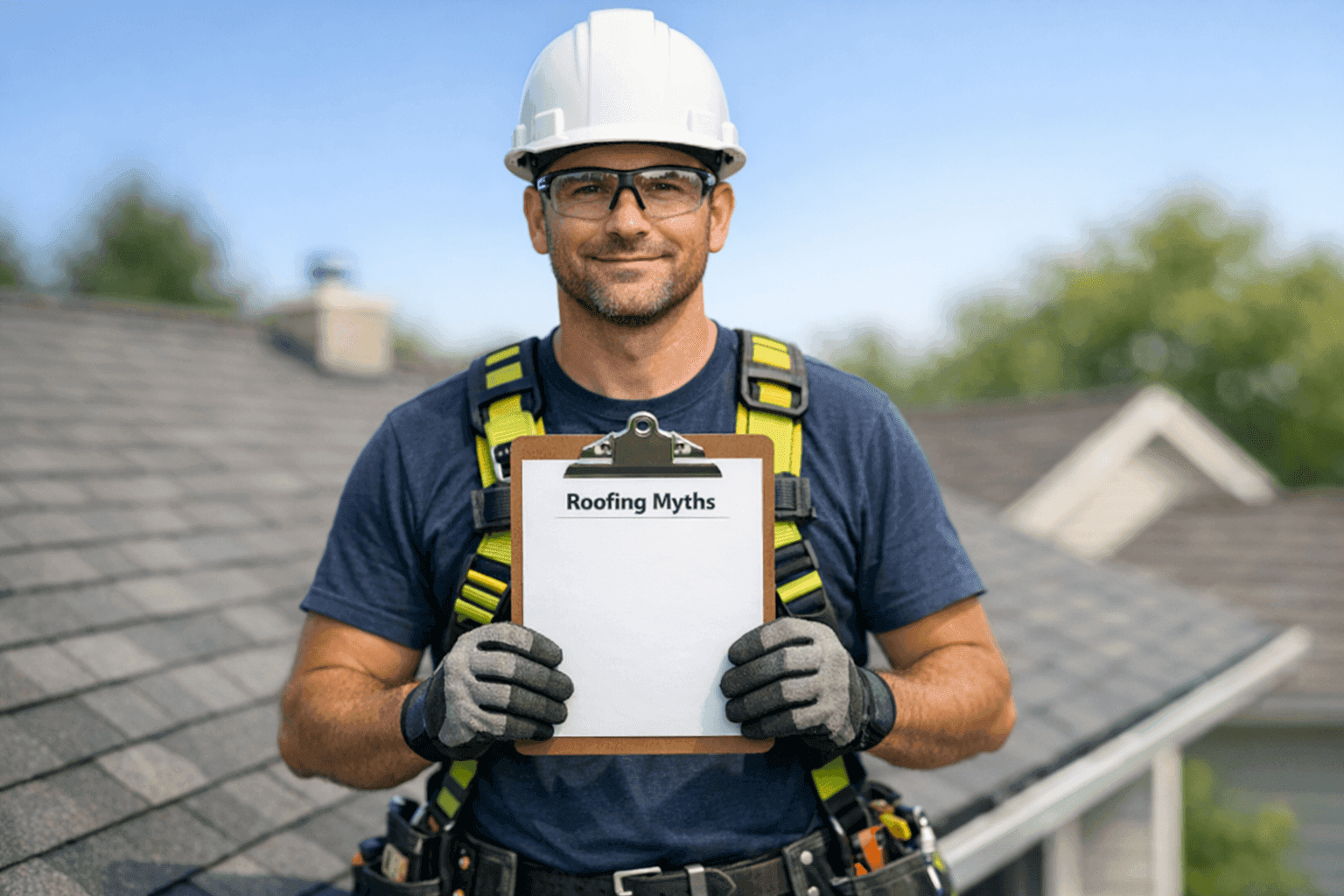
Every year, homeowners and business owners tackle roof problems with the best intentions—and sometimes, the wrong information. Roofing myths are everywhere. They can lead to costly mistakes, bigger headaches, and even put your safety at risk. At Robert Foley Roofing, we’ve seen it all firsthand.
Let’s clear the air. We’re here to debunk the biggest myths in roofing. Our goal: Give you real facts, so you can make decisions that keep your property safe, dry, and sound for years to come.
The “30-Year Roof” Myth: Not All Roofs Age the Same
One of the most persistent beliefs is that all roofs are good for 30 years. It sounds reassuring, like a sturdy old oak that stands tall no matter what. But here’s the truth: roof lifespan depends on material, weather, maintenance, and even installation quality.
- Asphalt shingles can last 15–30 years, but only with proper care.
- Metal roofing might see 40–70 years, but only if it’s inspected and maintained.
- Tile and slate could stretch even longer, yet one bad storm or poor flashing changes everything.
Think of your roof like a car. Ignore regular oil changes, and even the best engine won’t last. The same goes for roofs—routine inspections and timely repairs are what keep them running strong.
“If It Isn’t Leaking, It’s Fine”—Why Silence Isn’t Always Golden
No leaks, no worries? It’s a comforting thought, but also misleading. Water can sneak in quietly, running down beams or hiding behind walls. By the time you see a drip, the damage often runs deeper than you think.
Roofing professionals use moisture meters and look for subtle signs—like warped decking, mold, or spongy spots. Waiting for a visible leak is like waiting for a tree to fall before you notice it’s rotten inside.
Quick tip: After every big storm, check your attic for damp insulation or musty smells. Catching issues early can save thousands in repairs.
DIY Roofing: More Risk Than Reward
Do-it-yourself projects have their place. But roofing? It’s not like painting a fence. The risks climb higher than the shingles: falls, improper repairs, and voided manufacturer warranties are just the start.
- Safety: Roofing is among the most dangerous construction jobs, according to OSHA.
- Technique: The wrong nail or sealant can invite leaks, void warranties, or create hazards.
- Cost: Often, DIY fixes lead to bigger repairs down the road. What looks cheaper today might cost double next year.
When in doubt, call a pro. Sometimes, the smartest tool is the one you don’t have to use yourself.
Myth: “All Roofing Materials Are the Same”
Walk down the hardware aisle and the choices blur together. Shingles, tiles, metal, flat materials—each has unique strengths and challenges. Some are built for hurricanes, others for snow. Some need special underlayment, others specific fasteners.
Choosing the right material is like picking shoes for a marathon versus a mountain hike. What works in one climate or building might not in another. That’s why we always recommend a tailored approach, considering your needs, budget, and local code requirements.
“A New Roof Means No Problems for Decades”
A new roof feels like a fresh start. But even the best installation isn’t set-and-forget. Wind, rain, UV rays—and even squirrels—can take a toll.
Ongoing maintenance is critical. Schedule seasonal checkups, especially after storms or heavy winds. Clean gutters, watch for missing shingles, and keep trees trimmed back. Think of it as dental care for your house: regular cleaning, spot checks, and quick fixes keep the big problems away.
“Gutters Don’t Really Matter”
Gutters are the unsung heroes of the roofing world. Ignore them, and water will find a way—into your walls, foundation, or basement.
Clogged gutters can lead to ice dams in winter, or foundation cracks in rainy seasons. Regular gutter cleaning and downspout checks keep water moving safely away, protecting everything below.
“Storm Damage Is Always Obvious” 🌪️
Big hail, flying branches, missing shingles—some storm damage is easy to spot. But wind can lift edges or loosen fasteners without leaving a mark you’d notice from the ground.
Insurance adjusters and building code inspectors know to look for hidden trouble. Even small punctures or bent flashing can cause slow leaks, rot, and mold. After any serious weather, it pays to get a professional inspection—even if things look fine from the driveway.
“You Can Just Patch Over Bad Spots”
It’s tempting to slap on a shingle or some sealant and call it fixed. But covering damage without addressing the cause is like putting a bandage on a broken bone.
Leaks often start small but spread quickly under the surface. If the decking or underlayment is damaged, a patch won’t last. That’s why true roof repair means finding and fixing the source—not just hiding the symptoms.
“Roof Repairs Are Always Expensive”
Not every job empties your wallet. Many roof repairs are simple fixes if caught early: replacing a few shingles, resealing flashing, or clearing a blocked downspout.
The real expense comes from waiting too long. Routine inspections catch problems early—before they turn into major structural issues. Think of it as insurance for your peace of mind.
“Roof Replacement Is Always the Only Option”
It’s easy to assume an old or leaky roof needs total replacement. But many times, targeted repairs can add years of life to your current system.
Replacement makes sense for widespread damage, multiple leaks, or when your roofing material has truly reached the end of its rope. But a professional assessment can help you decide between smart repairs and full roof replacement based on what’s really needed.
“Flat Roofs Always Leak”
Flat roofs have a reputation for trouble, but modern materials and installation methods have changed the game. Proper slope, drainage, and quality sealants make flat roofs reliable for both commercial and residential buildings.
Routine attention—clearing debris, checking seams, and inspecting drains—keeps flat roofs performing just as well as their steeper cousins.
“You Can Ignore Ventilation and Insulation”
Ventilation and insulation are the lungs and blanket of your roof. Without enough airflow, heat and moisture build up in the attic. That can shorten your roof’s lifespan, raise energy bills, and even cause ice dams.
Proper attic ventilation—combined with the right insulation—protects your roof from the inside out. It’s one of the most overlooked keys to long-lasting roofing.
“Chimney Flashing Doesn’t Matter” 🏠
Chimney flashing is the metal that seals the gap where your roof meets the chimney. When installed right, it’s watertight. But if it’s loose, corroded, or missing, water will find its way in.
Regularly check for rust, gaps, or lifting metal around chimneys and skylights. Fixing flashing early prevents bigger leaks and interior damage.
A Quick Safety Checklist Every Property Owner Should Know
- Check for missing or curled shingles after storms.
- Look for granules in gutters (sign of shingle wear).
- Inspect attic for dampness, stains, or visible mold.
- Keep gutters and downspouts clear.
- Trim overhanging branches back from the roofline.
- Schedule professional inspections every spring and fall.
When It’s an Emergency
Roof emergencies don’t wait for business hours. Heavy leaks, sudden storm damage, or fallen trees call for quick action. If you spot water pouring in or see daylight through your attic boards, it’s time to act fast.
While you wait for help, protect valuables, use buckets for drips, and never climb on a wet or damaged roof yourself. For those living in the area, we’re available for roofing emergencies in Alafaya and nearby neighborhoods.
Materials, Codes, and Real-World Choices
Roofing isn’t one-size-fits-all. Local building codes, manufacturer specs, and even your property’s age all play a role. The International Building Code (IBC) and National Roofing Contractors Association (NRCA) set standards for safety and quality.
Before any repair or replacement, make sure your contractor is following these guidelines. It protects your investment—and your safety.
Smarter Roofing Decisions Start Here
Don’t let old myths steer you wrong. A strong roof is more than shingles and nails—it’s the first line of defense for your family, business, and everything under your roof.
Whether you need leak repair, gutter cleaning, storm damage restoration, or advice on eco-friendly options, Robert Foley Roofing is ready to help. We’re committed to honest answers and real solutions.
Call Robert Foley Roofing now — or reach us anytime at 844-684-1881 .