Roofing Trends for Longevity: Materials That Last Decades
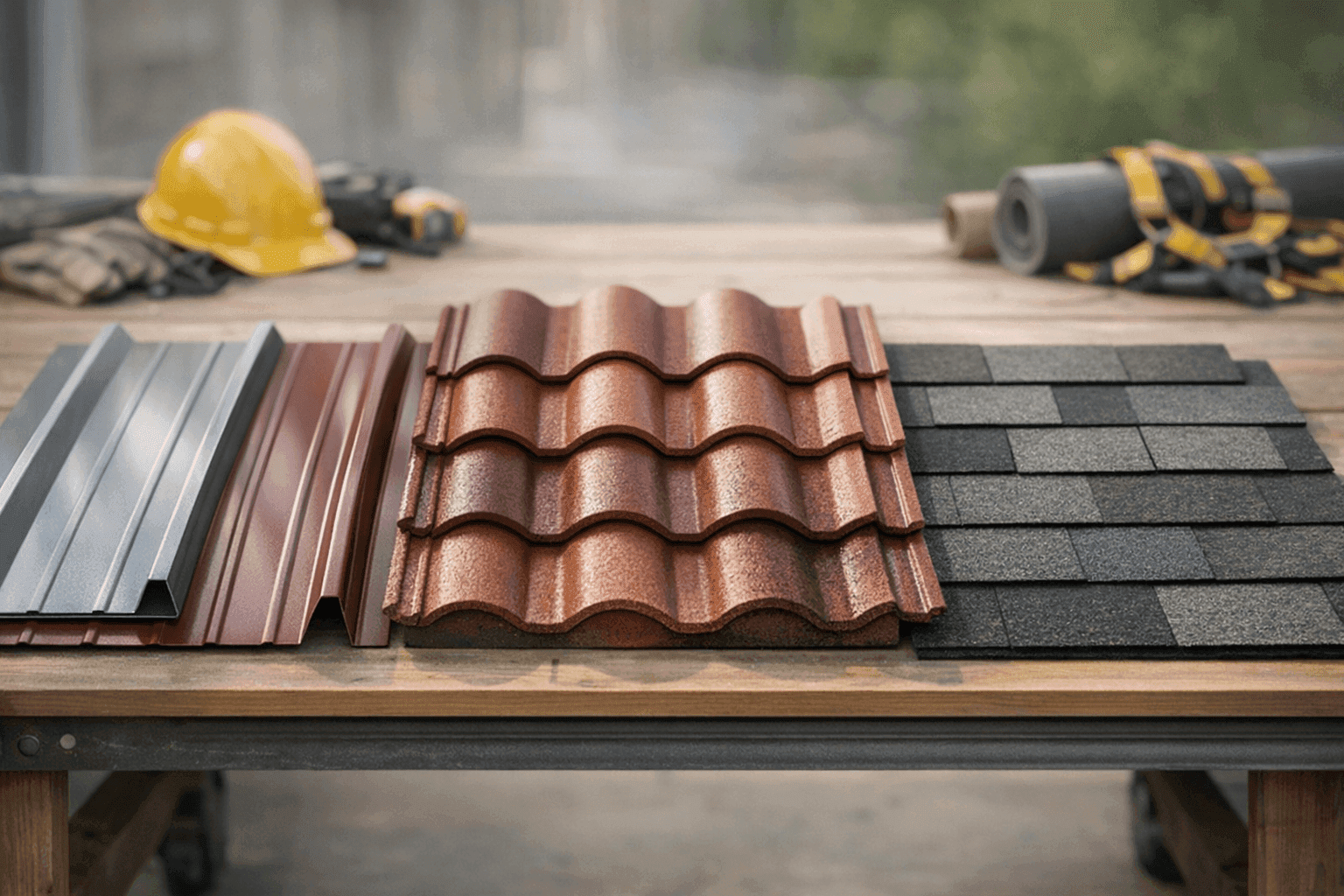
Roofs aren’t just overhead protection; they’re the shield that stands between your family or business and the elements. Choosing the right materials is a decision that echoes for decades. At Robert Foley Roofing, we know the pressure—one wrong move, and you could face premature leaks, repairs, or even a full replacement far sooner than you’d like.
Let’s break down the science, the options, and the steps for getting a roof that truly lasts. Whether you’re a homeowner dreaming of a worry-free future or a business manager calculating costs, this guide is for you.
What Makes a Roofing Material Long-Lasting? 🏗️
Durability isn’t just about how tough a material looks. It’s about how it reacts—year after year—to sun, rain, wind, and temperature swings. Factors that set apart long-lasting roofing materials include:
- Resistance to Weather: Materials must repel water, shed snow, and stand firm against hail and wind. For example, metal roofs can shrug off hailstones with ease.
- UV Stability: Sunlight is relentless. The best materials resist fading, cracking, and brittleness.
- Structural Strength: Some roofs buckle under heavy snow or collapse under fallen branches. Others, like tile or engineered composites, hold steady.
- Adaptability: Roofing needs to flex a bit—expanding and contracting without splitting as temperatures shift.
- Quality Installation: Even the toughest material fails if installed poorly, or if flashing and underlayment are skipped.
Building codes (refer to the International Building Code and local amendments) set minimum standards, but longevity lives in the details above.
Top Materials for Longevity
Some roofs go up and seem to last forever. Here’s what stands the test of time:
Metal Roofing
Metal doesn’t rust away overnight. With proper coatings, steel, aluminum, and copper can last 40–70 years. They’re light, recyclable, and can even reflect heat, making them energy-smart. Fire? Hail? Pests? Metal shrugs them off.
Clay & Concrete Tile
Tile roofing is the ancient champion. Clay and concrete tiles can last 50–100 years if undisturbed. They’re heavy—so the structure beneath must be up to snuff—but their resistance to rot, insects, and fire is legendary.
Slate
Slate is nature’s own shield. A properly installed slate roof can last 75–200 years. It’s stone, after all. But slate is heavy and requires experienced installation.
Modern Composites
Composite shingles blend the best of technology and tradition. Some mimic slate or shake, but with less weight and maintenance. High-end versions offer warranties up to 50 years.
Eco-Friendly Options 🌱
Recycled content shingles, green roofs, and “cool” coatings all offer sustainability plus extended life—especially when paired with solid maintenance. Check out our eco-friendly roofing solutions for more on this trend.
Maintenance Tips for Durable Roofs
Materials matter, but maintenance is the secret sauce. Even the strongest roof needs an occasional helping hand:
- Regular Inspections: At least twice a year, check for missing shingles, rust spots, cracked tiles, or clogged gutters.
- Prompt Leak Repair: Small leaks become big headaches quickly. Schedule leak repair as soon as you suspect trouble.
- Gutter Cleaning: Overflow can cause rot and ice dams. Keep gutters and downspouts clear, especially after storms.
- Sealants and Flashing: Reapply sealants around skylights, vents, and chimneys as needed. Flashing is a notorious weak spot.
- Trim Overhanging Branches: Prevent broken limbs from crashing down and causing damage.
- Professional Maintenance: Consider annual maintenance from a roofing technician. A pro can spot trouble before it starts.
For guidelines, the National Roofing Contractors Association (NRCA) and local code authorities are good references.
Choosing the Right Long-Term Solution
Selecting a roof isn’t just about what’s trendy—it’s about matching your needs, budget, and building structure. Here’s how to find your best fit:
- Assess Your Structure: Heavyweight options like tile or slate need strong decking. Metal or composite can suit lighter frames.
- Consider Your Climate: Metal excels in snow and hail. Tile thrives in hot, dry climates. Composites adapt to many regions.
- Weigh Upfront vs. Lifetime Cost: A cheaper shingle might last 15 years; a pricier tile could last a century. Calculate your real long-term investment.
- Sustainability Needs: If green building is your goal, ask about recycled materials or cool-roof coatings.
- Aesthetic Goals: Don’t underestimate curb appeal—choose colors and profiles that complement your property.
For guidance on metal roofing systems, our team can walk you through options that align longevity and value.
Signs It’s Time for a Change
Not sure if your roof is reaching the end of its rope? Look for these warning signs:
- Curling or missing shingles
- Rusted or loose flashing
- Persistent leaks or water stains
- Sagging or soft spots in the deck
- Granules in gutters (for asphalt/composite roofs)
When in doubt, schedule a professional roof inspection.
Timeline & Disruption: What to Expect
Replacing a roof isn’t a weekend project. Depending on material and structure, it can take anywhere from a few days (for shingles or metal) to weeks (for slate or tile). Weather delays, supply shipments, and structural repairs can stretch timelines. Ask your contractor for a realistic estimate before work begins.
Safety Checklist for Roofing Projects 🦺
- Wear non-slip footwear and secure ladders
- Never work on wet or icy roofs
- Use harnesses and fall protection for steep or high roofs
- Keep children and pets away from work zones
Always follow OSHA safety standards and local regulations.
DIY vs. Professional Roofing
While a handy homeowner might patch a shingle, most long-term roofing jobs demand specialized tools, safety measures, and expertise. Professional installation not only guarantees code compliance but often extends material warranties. That’s peace of mind that DIY can’t match.
Prevention is Cheaper Than Repair
A simple truth: Small investments in maintenance save you thousands down the road. Schedule regular inspections, keep gutters clear, and fix minor issues fast. That’s the formula for a roof that endures.
When It’s an Emergency
Storms and sudden leaks don’t wait for a convenient time. Quick action—like temporary tarping or emergency leak repair—can save your interior and reduce long-term costs. If you’re dealing with an urgent issue in Sioux City, prompt local assistance is available here.
Common Mistakes That Shorten Roof Life
- Skipping underlayment or flashing during installation
- Poor attic ventilation causing trapped moisture and heat
- Using mismatched or low-quality materials
- Ignoring small leaks until they become structural problems
Avoid these pitfalls by choosing reputable installers and sticking to recommended materials.
Seasonal Considerations
Roofs face different threats throughout the year. Spring brings heavy rain and wind; summer means UV rays and heat; fall piles on leaves and debris; winter brings ice, snow, and freeze-thaw cycles. Adjust inspection and maintenance routines to each season.
Flat vs. Pitched Roofs: Unique Longevity Factors
Flat and low-slope roofs demand specialized materials—like membranes or coatings—to prevent ponding and leaks. They need diligent inspection, especially after storms. Pitched roofs shed water faster but may suffer wind damage if edge details aren’t strong.
Final Thoughts: Future-Focused Roofing
A lasting roof is about more than just material. It’s the sum of smart choices, sound installation, and steady care. The payoff? Decades of peace of mind, safety, and value for your home or business.
Call Robert Foley Roofing now — or reach us anytime at 844-684-1881 .