Sealants and Coatings: How They Extend Roof Life
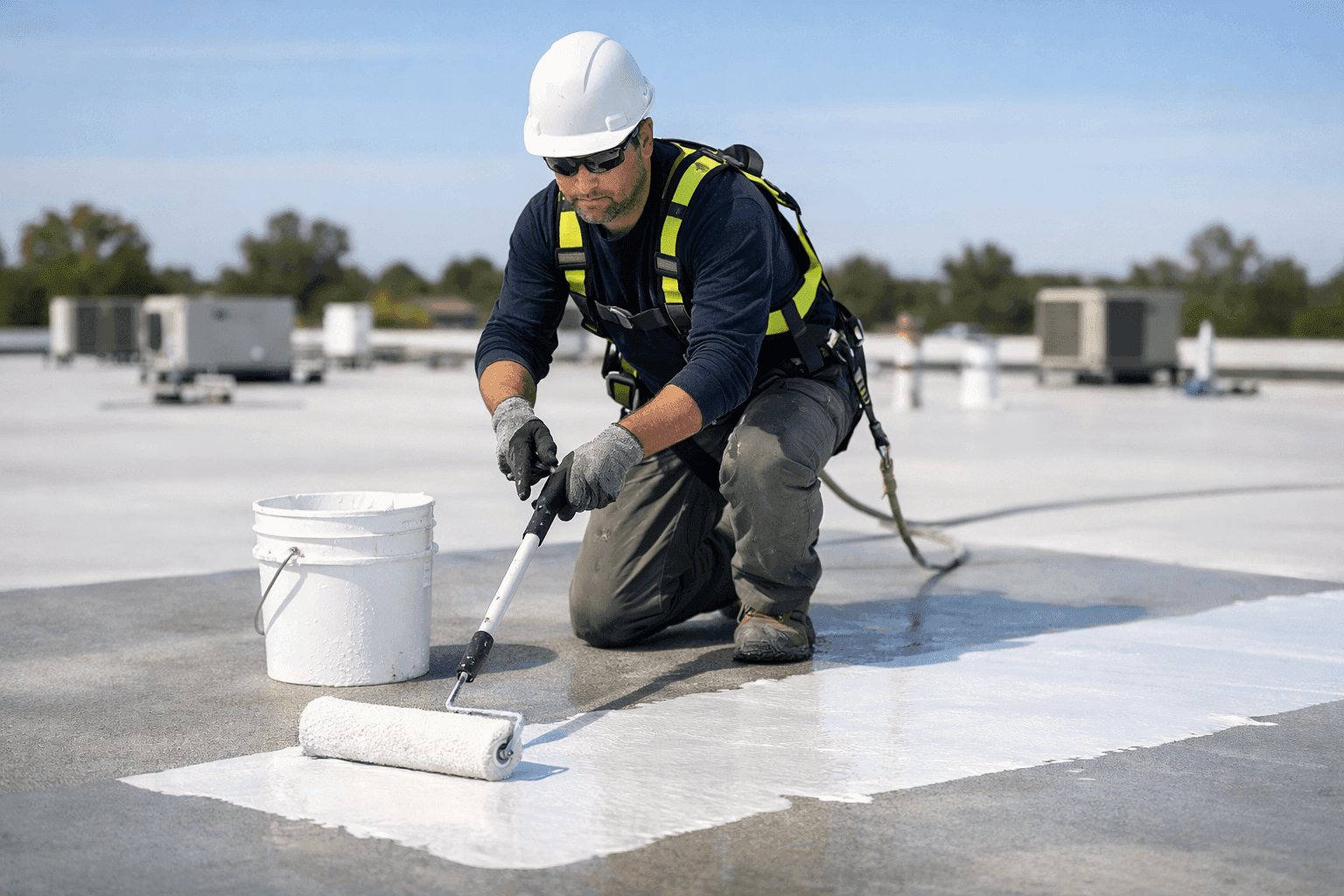
When you own a property, your roof is the first line of defense against rain, sun, and harsh winds. Even the toughest roof will wear down over time, and tiny cracks can become big headaches. At Robert Foley Roofing, we know that the right sealants and coatings don't just patch things up—they add years to your roof's life.
Think of sealants and coatings as a high-tech raincoat for your home or business. They keep water out, reflect heat, and stop small problems from turning into costly repairs. Whether you have a flat-roofed office or a shingle-covered house, the right protection can make all the difference.
What Are Roof Sealants and Coatings?
Roof sealants and coatings are specialized materials applied to the surface of your roof. Imagine them as a flexible shield—a barrier that resists water, sun, and weather extremes. Sealants are typically used for joints, seams, and small cracks, while coatings cover larger areas, creating a continuous membrane.
There are several types:
- Acrylic coatings: Popular for their reflectivity and affordability.
- Silicone coatings: Known for water resistance and flexibility, ideal for roofs with ponding water.
- Polyurethane coatings: Tough and durable, suited for high-traffic or commercial roofs.
- Bitumen-based sealants: Often used on flat roofs for heavy-duty waterproofing.
Each has its strengths. The choice depends on your roof type, climate, and long-term needs.
Benefits for Flat and Sloped Roofs 🛡️
No roof is immune to the elements. But sealants and coatings offer serious advantages—especially for flat roofs, which can act like swimming pools after a heavy storm.
For Flat Roofs
- Leak prevention: Coatings seal tiny gaps that water loves to find.
- UV protection: Many coatings reflect sunlight, reducing heat buildup and lowering cooling costs.
- Resists ponding: Some materials, especially silicone, stand up well to standing water.
- Adds years of life: A proper coating can delay the need for a costly full replacement.
For Sloped Roofs
- Shingle and tile protection: Prevents water from seeping under your shingles or tiles.
- Weather resistance: Shields against wind-driven rain and snow.
- Compatible with metal roofs: Many coatings work well on metal, reducing rust and corrosion.
Whether it’s a commercial flat roof or a residential slope, sealants and coatings are a smart investment. They also fit perfectly with other preventative measures like Decking near you.
Application Process and Timing
Applying sealants and coatings isn’t just “slap it on and go.” It’s a detailed process—think of it like painting a masterpiece, not rolling out a new wall color.
Step-by-Step Process
- Inspection: Check for existing damage, leaks, or soft spots. If repairs are needed, they come first.
- Cleaning: Dirt, debris, and old coatings must be removed. A power wash is common.
- Repairs: Fill any cracks or gaps with the right sealant.
- Primer (if needed): Some surfaces need a primer to help the coating stick.
- Application: The coating is rolled, brushed, or sprayed on in even layers.
- Curing: The material needs time to set—often 24-48 hours without rain.
Timing Matters
- Best seasons: Late spring to early fall is ideal—warm, dry weather helps coatings cure.
- Emergency fixes: Some sealants can be applied in damp conditions for quick leak control, but lasting solutions need dry weather.
Always follow manufacturer instructions and local building codes (the International Building Code and OSHA guidelines are good references). The right timing and prep ensure your investment pays off.
Maintenance and Reapplication
A coating isn’t “one and done.” Like any umbrella, it needs a checkup now and then. Maintenance is the secret to years of worry-free protection.
Inspection
- Annual checkups: Inspect your roof every year—look for bubbles, cracks, or worn spots.
- After storms: Big weather events can damage coatings, especially on flat roofs.
Cleaning
- Keep it clear: Remove debris, especially leaves and branches. Clogged gutters or downspouts can ruin even the best coating.
- Gentle washing: Use a soft broom or low-pressure wash—no harsh chemicals.
Reapplication
- Typical lifespan: Most coatings last 5–10 years, but some premium products go longer.
- Watch for wear: When you see thinning, cracks, or UV damage, it’s time for another coat.
If you spot leaks or damage, consider a roof repair before reapplying any coating.
Signs Your Roof Needs Attention
Roofs have their own way of asking for help. Listen for these warning signs:
- Water stains on ceilings or walls.
- Blisters or peeling paint inside your building.
- Visible cracks or bubbles on the roof surface.
- Moss, algae, or mold growth—especially on shaded areas.
- Ponding water that doesn't drain after rain.
Catching these early can save thousands in major repairs.
Common Mistakes to Avoid
Even the best products can fail if misapplied. Here’s what to watch for:
- Skipping prep: Applying over dirt or old coatings reduces adhesion.
- Wrong product: Not all sealants or coatings work for every roof type.
- Rushing drying time: Rain before curing can ruin the finish.
- Ignoring repairs: Coatings won’t fix structural damage or large leaks.
A professional inspection helps you sidestep these missteps.
DIY or Call a Pro?
Some small repairs—like patching a minor crack—are possible for a handy property owner. But full coatings, especially on commercial or flat roofs, are best left to licensed pros. The risks are real: slips, falls, improper application, or warranty voids.
For complex issues or large roofs, let experienced crews handle the job. Not only does it ensure safety, it means the job's done right the first time.
Timeline, Disruption, and What to Expect
Most sealant or coating jobs take 1–3 days, depending on roof size and weather. Noise and disruption are minimal compared to a full replacement. Still, expect:
- Limited roof access during curing.
- Possible odor from some products (usually fades in a day or two).
- Crews may need access to power and water.
Communication with your contractor helps avoid surprises.
Costs and Value Over Time
Roof coatings cost far less than full replacements. Think of it as paying for an oil change, not a new engine. Upfront costs vary by material and square footage, but the savings come from:
- Fewer leaks and repairs.
- Lower energy bills (reflective coatings can cut cooling costs).
- Delayed replacement—sometimes by a decade or more.
Always get a detailed estimate up front.
Safety First: Quick Checklist 🦺
- Only work on dry days—wet roofs are slippery.
- Use proper footwear and safety harnesses.
- Set up warning signs if working at height.
- Never ignore electrical hazards or exposed wires.
- Always follow local codes (OSHA standards apply).
When in doubt, bring in pros who are licensed and insured.
When It's an Emergency
Leaks during a storm or sudden coating failure can’t wait. Quick action is key. Temporary fixes—like applying emergency patch sealant—can stop the worst damage until full repairs are possible.
If your property is in urgent need, our crews are ready for rapid response. You can even see how we handle Plainfield roofing emergencies when fast action matters most.
Seasonal Considerations
Different seasons bring different roofing threats:
- Spring: Melting snow can reveal leaks; inspect early.
- Summer: UV rays are strongest—coatings help reflect heat.
- Fall: Leaves clog gutters and downspouts; keep them clear.
- Winter: Ice dams and freeze-thaw cycles can crack coatings.
Regular seasonal checks mean fewer surprises year-round.
The Role of Sealants and Coatings in Preventative Maintenance
Preventative maintenance is about staying ahead of trouble. Sealants and coatings are the unsung heroes—helping your roof shrug off storms, sun, and time itself.
- Schedule regular inspections.
- Clean and clear debris.
- Reapply coatings before wear shows.
- Address small repairs promptly.
This simple routine keeps your property dry, efficient, and protected.
Frequently Asked Questions
How often should I recoat my roof?
Most roofs need recoating every 5–10 years, but check your product’s label and inspect annually.
Does coating void my roof warranty?
Some warranties require professional application. Always check with your manufacturer or installer.
Can coatings be tinted or colored?
Yes, many products come in different colors. Reflective white is popular for energy savings.
Will a coating fix major leaks?
Coatings seal small cracks but won’t fix structural problems. Major leaks need professional roof repair.
Local Support When You Need It
Residential and commercial property owners alike trust their roofs to Robert Foley Roofing. From routine inspections to full sealants and coatings, we help you stay ahead of the weather—no matter the season.
Call Robert Foley Roofing now — or reach us anytime at 844-684-1881 .