Shingle Roofing: Types, Costs, and Maintenance Tips
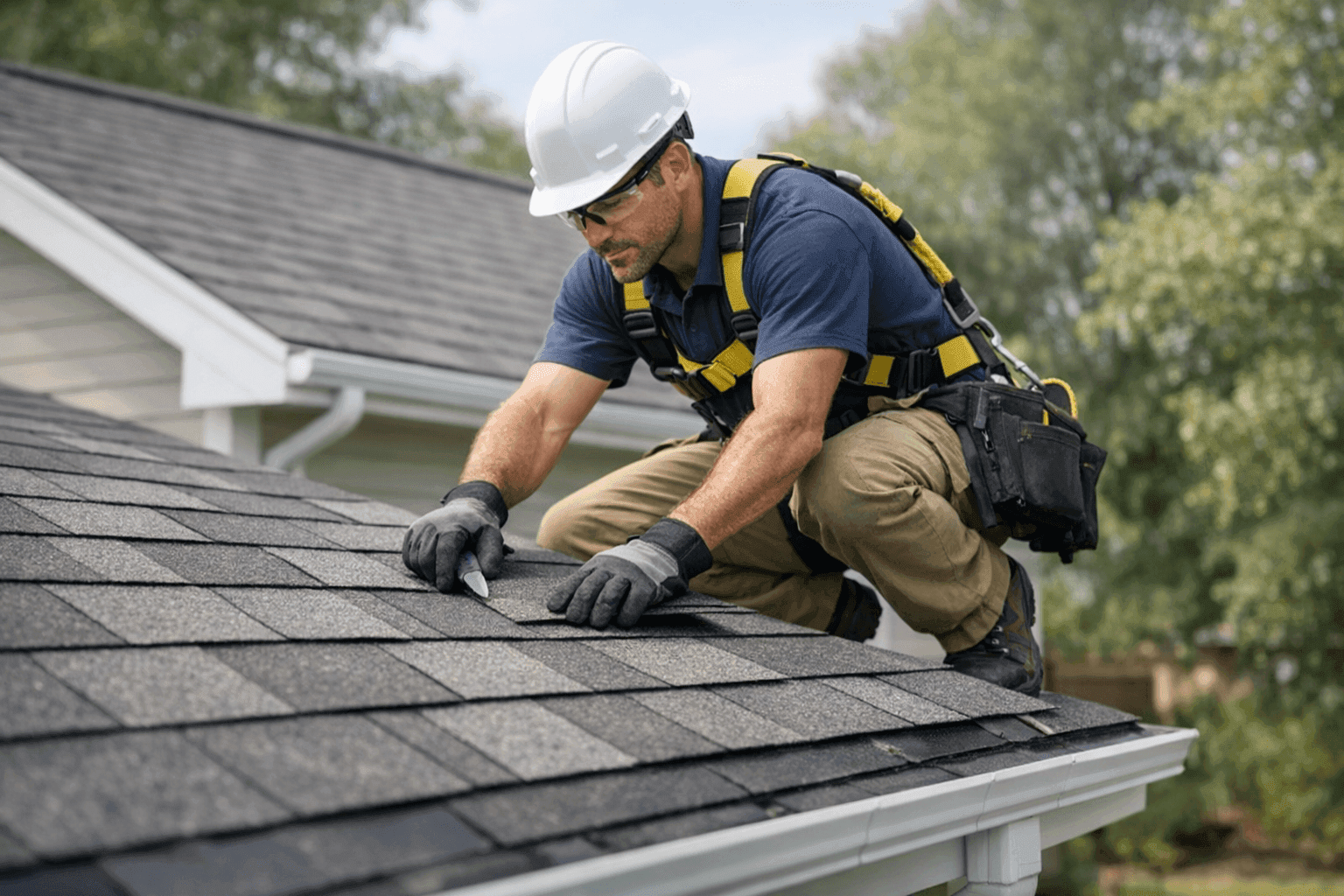
Is your roof looking tired, or have you spotted a stray shingle in your yard after the last windstorm? You’re not alone. Shingle roofs work hard to protect homes and businesses, but even the toughest need regular care—and sometimes, a full refresh. At Robert Foley Roofing, we know roofing isn’t just about shelter. It’s about safety, investment, and peace of mind.
Let’s dig into the world of shingle roofing—exploring choices, costs, and practical ways to keep your roof performing for years.
Popular Types of Shingle Roofing 🏡
Shingles come in more flavors than an ice cream shop. Each type has its own blend of beauty, strength, and cost. Here’s a quick rundown of the most common shingle roofing options:
Asphalt Shingles
The classic. Affordable, reliable, and easy to install. Asphalt shingles are a favorite for homes and small businesses. They come in two main styles:
- Three-tab shingles: Flat, lightweight, and uniform. They offer a clean look but aren’t as thick as others.
- Architectural (dimensional) shingles: Thicker and layered for a shadowed, textured appearance. They last longer and stand up better to the elements.
Wood Shingles & Shakes
For a rustic, natural look, wood shingles or shakes (thicker, rougher cuts) bring warmth and charm. Cedar is a popular pick. However, wood needs regular maintenance and isn’t ideal in wildfire-prone regions.
Metal Shingles
Metal shingles mimic the look of slate, tile, or wood—without the weight. They’re fire-resistant, shed snow easily, and can last decades. Plus, many are made with recycled materials, appealing to eco-conscious property owners.
Slate Shingles
Long-lasting and elegant, slate shingles are like the grand pianos of roofing. They’re heavy and require strong roof decking, but their beauty and lifespan (up to a century) are unmatched.
Composite & Synthetic Shingles
Made from a blend of plastics, rubber, or other materials, composite shingles offer the look of wood or slate at a lower cost and weight. They resist cracking, fading, and algae—making them a low-hassle choice.
Specialty Shingles
Some roofs need extra muscle, like impact-resistant shingles for hail-prone areas or algae-resistant variants for humid climates.
For a deeper dive on options and local availability, check our shingle roofing service page.
Cost Factors and Durability
How much will a new shingle roof set you back? Like a puzzle, the price depends on several pieces:
- Material type: Asphalt is typically the least expensive, while slate and metal cost more upfront but pay off in longevity.
- Roof size & complexity: Steep pitches, lots of angles, skylights, and chimneys increase time and material needs.
- Tear-off vs. overlay: Removing the old roof costs more but is recommended for best results.
- Local building codes: Some areas require specific underlayments or wind/hail ratings.
- Labor costs: These vary by region and roof accessibility.
Average lifespan by type:
- Asphalt: 15–30 years
- Architectural: 25–40 years
- Metal: 40–70 years
- Wood: 20–40 years (with care)
- Slate: 75–100+ years
Pro tip: Investing in proper attic ventilation and insulation keeps your shingles from baking or freezing, which means fewer repairs down the road.
Maintenance and Repair Tips
Shingle roofs are like a favorite pair of boots—treat them well, and they’ll last longer. Here’s how to keep yours in top form:
- Inspect twice a year: Spring and fall are best. Look for cracked, curling, or missing shingles.
- Clear debris: Leaves and branches trap moisture, inviting rot and algae.
- Clean gutters: Blocked gutters can force water under shingles, causing leaks.
- Check flashing: The metal strips around chimneys, vents, and valleys are prime leak zones. Rust, gaps, or lifting need quick repair.
- Trim overhanging branches: They can scrape shingles or drop debris.
A soft broom or low-pressure washer is safest for cleaning. High-pressure washing can dislodge granules or force water underneath, causing damage.
If you spot moss or algae, a solution of water and mild bleach (never straight bleach) can help—just protect your landscaping below.
Signs It’s Time for Replacement
Some roofs whisper, others shout when it’s time for change. Watch for these signals:
- Widespread curling, buckling, or missing shingles
- Granules in gutters: Like sand in your shoes, lots of granules mean shingles are shedding their protective layer.
- Leaks or water stains on ceilings
- Sagging roof deck or visible daylight in the attic
- Blistering, cracking, or obvious hail damage
If your roof is nearing its expected lifespan and repairs are piling up, full roof replacement is often safer and more cost-effective than patch jobs.
Quick Safety Checklist Before DIY Roof Work 🛠️
Thinking of climbing up for a look? Safety comes first:
- Use a sturdy, properly placed ladder—extend 3 feet above the roof edge.
- Wear shoes with good grip.
- Never work alone.
- Avoid wet, icy, or windy conditions.
- Watch for overhead wires.
- Know your limits; call a pro if unsure.
The Occupational Safety and Health Administration (OSHA) sets clear guidelines for fall protection and ladder use. When in doubt, stay on the ground.
DIY vs. Call a Pro
Some minor fixes—like replacing a single shingle or cleaning out a gutter—are within reach for handy homeowners. But roofing is a high-stakes game. Slippery slopes and hidden dangers can turn small jobs risky, fast.
Professionals bring more than tools. They spot subtle warning signs, use manufacturer-approved techniques, and ensure your warranty stays valid. Structural repairs, leak tracing, and anything involving heights or electrical hazards? Let a licensed roofing team handle those.
What Professionals Do on Arrival
When you call for help, here’s what a seasoned crew will tackle:
- Full visual inspection, including attic if accessible
- Checking for soft spots, moisture, and hidden damage
- Examining flashing, gutters, and vent boots
- Providing a clear, written scope of repair or replacement options
No guesswork. Just facts and practical advice so you can make informed decisions.
Prevention & Maintenance Plans
Regular upkeep is like routine tune-ups for your car—it prevents big headaches later. Consider:
- Annual or biannual inspections
- Scheduled gutter cleaning
- Preventative sealant applications
- Proactive flashing and vent checks
These steps, often part of a residential roofing maintenance plan, save money and stress in the long run.
Seasonal Considerations
Roofs face different battles as the seasons change:
- Spring: Check for winter ice or wind damage. Clean away fallen branches and debris.
- Summer: UV rays can dry out shingles. Inspect for cracks or fading.
- Fall: Remove leaves and prep for snow. Ensure gutters flow freely.
- Winter: Watch for ice dams and heavy snow accumulation.
If you need prompt support during storm season, local teams are standing by—like those serving Burlington’s trusted roofing needs.
Common Mistakes to Avoid
Even well-meaning property owners slip up. Here’s what to watch for:
- Neglecting regular inspections
- Using pressure washers on shingles
- Patching over major damage instead of replacing
- Ignoring gutter maintenance
Catching small issues early keeps the repair bill in check and protects what matters most.
When It’s an Emergency ⏰
Leaks, storm damage, or sudden roof failures require quick action. Cover exposed areas with tarps (if safe), move valuables away from leaks, and call for emergency service. Time is critical—water can travel far beyond the initial breach.
Many insurance policies require prompt reporting and temporary fixes to prevent further damage—check your paperwork for details.
Timeline & Disruption: What to Expect
A basic shingle repair can take a few hours. Full replacement? Plan for 1–3 days, depending on roof size, weather, and complexity. Expect some noise, vibration, and dust—but crews should keep the site tidy and minimize impact on your daily routine.
Materials and Equipment: What Goes Into a Shingle Roof
It’s more than just shingles. A durable roof includes:
- Underlayment: Waterproof layer beneath the shingles
- Drip edge: Metal strips to direct water away from fascia
- Flashing: Seals around chimneys, vents, and valleys
- Ventilation: Ridge and soffit vents to manage attic temperature and moisture
- Fasteners: Galvanized nails or screws—never cut corners here
Quality materials, installed right, make the difference between a roof that lasts and one that lets you down.
FAQs About Shingle Roofing
How often should I inspect my shingle roof?
Twice a year is ideal—plus after major storms.
Can I install new shingles over old ones?
Building codes sometimes allow one overlay, but full tear-off is better for longevity and warranty.
What’s the best shingle roofing option for energy efficiency?
Cool-roof asphalt or metal shingles reflect more sunlight, keeping buildings cooler.
Is shingle roofing suitable for flat roofs?
No—shingles require a pitch of at least 2:12. Flat roofs need special materials.
What about eco-friendly options?
Many manufacturers now offer recycled-content or recyclable shingles. Ask about green choices if sustainability is a priority.
Ready for Peace of Mind?
Roofing isn’t just another task—it’s the lid on your investment. Whether you need a quick repair, emergency help, or a full new roof, Robert Foley Roofing is here to help you navigate every step.
Call Robert Foley Roofing now — or reach us anytime at 844-684-1881 .