Signs of Roof Damage: What to Look For During Your Annual Inspection
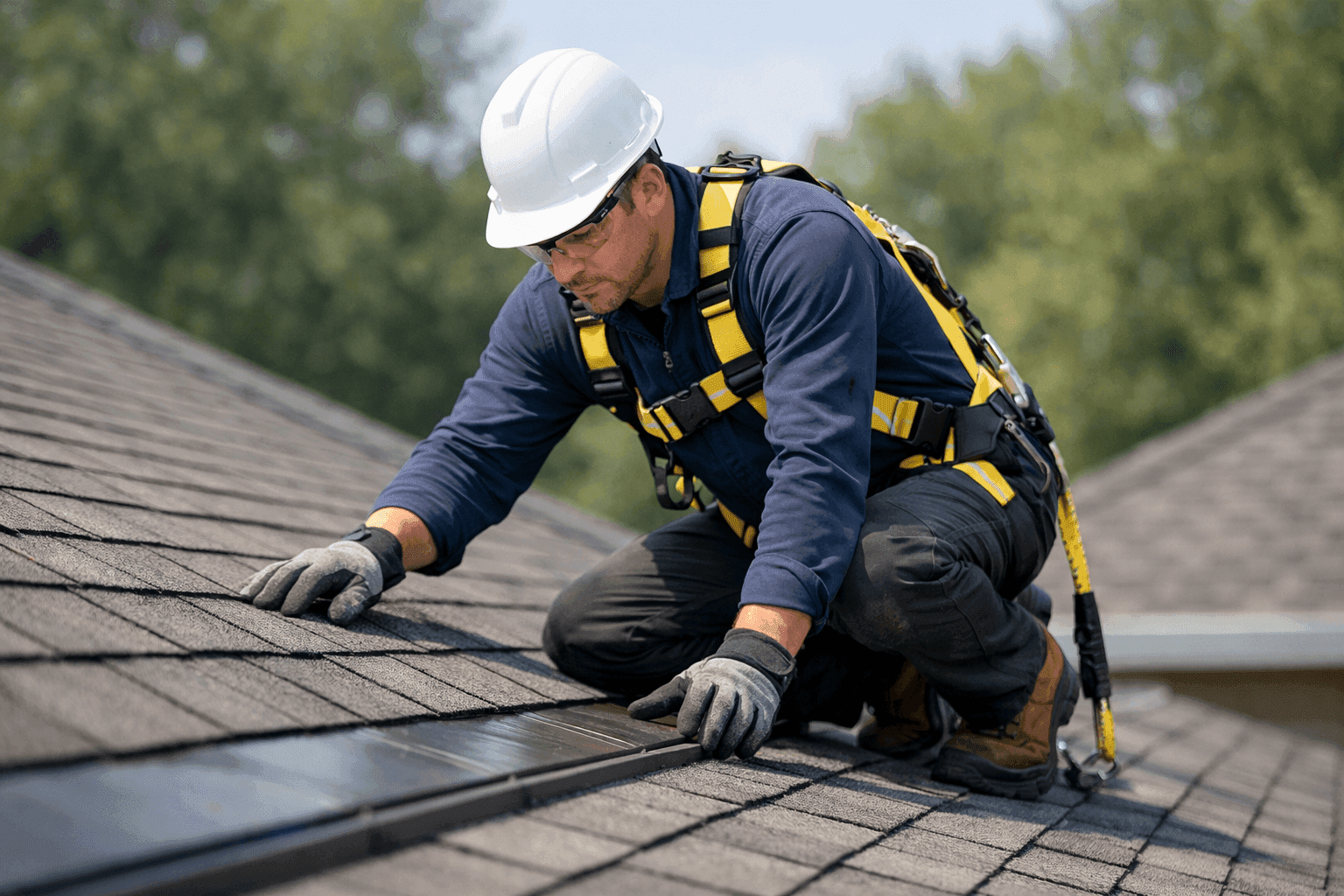
Every year, your roof stands guard through rain, hail, and blazing sun. But even the best-built shield can wear thin. Spotting trouble early is the difference between a quick fix and a major headache. At Robert Foley Roofing, we’ve seen how small problems can snowball. Let’s help you read the warning signs before they turn into leaks, mold, or costly repairs.
Roofing isn’t just about shingles and nails—it’s about protecting your home or business from the elements. A little attention now can save you a world of stress down the road.
Why Annual Roof Inspections Matter 🕵️♂️
Think of your roof like the brakes on your car. Ignore them, and you risk disaster. An annual inspection is your tune-up—it keeps you safe, dry, and keeps surprises at bay.
- Prevents costly surprises: Small leaks can become structural nightmares.
- Meets insurance and code requirements: Many policies require routine checks, and the International Building Code recommends regular inspections for both homes and commercial spaces.
- Extends roof lifespan: Catching issues early means repairs, not replacements.
- Protects property value: A well-maintained roof is a home’s best first impression.
Skipping inspections is like skipping oil changes—eventually, something breaks. It’s far better to fix a tiny drip than a collapsed ceiling.
Common Signs of Wear and Damage
Your roof may not speak, but it shows distress in clear ways. Here’s what to look for during your walkaround:
- Cracked, curled, or missing shingles: Like loose scales on a fish, these expose the underbelly to water.
- Sagging spots: A dip in your roofline is a red flag for water damage or weakened decking.
- Moss or algae streaks: They trap moisture and speed up decay.
- Granules in gutters: Shingle grit washing away is a sign your roof is aging.
- Damaged flashing: Metal strips around chimneys, skylights, and valleys should lie flat and tight. Lifting or rust means water can sneak in.
- Stained ceilings or attic leaks: Water stains inside signal trouble overhead.
- Loose or rotting fascia/soffits: The “trim” around your roof’s edge shouldn’t be soft or crumbling.
- Clogged or leaky gutters and downspouts: Overflow points to drainage trouble, which quickly leads to rot.
- Unusual drafts or rising energy bills: Poor insulation or ventilation can let your money escape through the roof.
Check both outside and inside. Sometimes, the first clue is a musty smell in the attic or a soft spot underfoot.
How to Perform a Safe Visual Inspection 🦺
Safety first. Never climb onto a steep or wet roof—leave that to those with the right gear. But you can do a lot from the ground or a sturdy ladder.
Quick Safety Checklist:
- Inspect only in dry, daylight conditions.
- Wear shoes with good grip.
- Use a spotter if you’re using a ladder.
- Never step on fragile tiles or skylights.
What to Bring:
- Binoculars for far-off corners.
- Flashlight for the attic.
- Camera or phone to document issues.
Step-by-Step:
- Walk around your building and scan the roof edge for missing or damaged shingles, moss, or loosened flashing.
- Check gutters for shingle granules, leaves, or sagging sections.
- Peek inside the attic for wet insulation, dark stains, or daylight peeking through.
- Note any strange odors—these could signal mold or rot setting in.
- If you spot anything worrying, jot it down or snap a photo.
Remember, if you feel unsure or spot something risky, it’s always safest to call a roofing professional.
Shingles, Tiles, and Metal: What’s Normal Wear?
Not all roofs age the same way. Shingle roofs may shed granules and curl at the edges. Tile roofs can crack or slip, especially after a freeze-thaw cycle. Metal roofs might develop rust or loose fasteners.
- Shingle Roofing: Look for curling, bald spots, or missing pieces.
- Tile Roofing: Watch for cracked, broken, or slipped tiles.
- Metal Roofing: Rust streaks, dented panels, or missing screws are cause for concern.
- Flat Roofs: Blisters, ponding water, or bubbling coatings signal trouble beneath.
Early signs are easy to fix. Left alone, they invite leaks, mold, and expensive structural repairs.
The Hidden Dangers: Flashing, Valleys, and Skylights
Water is sneaky. It finds the smallest gap and works its way in. Flashing is the thin metal that seals those gaps around chimneys, skylights, and roof valleys.
Warning Signs:
- Bent or loose flashing
- Rust or holes
- Gaps at seams or joints
- Water stains around skylights or chimneys
Skylights need extra attention—cracked glass or foggy panes mean it’s time for skylight repair or replacement.
Gutters, Downspouts, and Drainage: The Unsung Heroes
Gutters and downspouts guide water safely away from your building. When they clog or leak, water spills where it shouldn’t.
What to Look For:
- Overflowing gutters during rain
- Sagging or loose sections
- Rust or holes
- Water pooling at the base of walls
Inspect downspouts for clogs or detached joints. If you need help with gutter cleaning or repair, our team can handle everything from minor fixes to complete downspout installation.
Signs of Interior Trouble: What’s Happening Below the Roof
Sometimes, the first warning comes from inside. Pay attention to:
- Brown or yellow ceiling stains
- Peeling paint or wallpaper
- Damp or musty smells
- Warped wood or soft drywall
If you see these, water is likely making its way in. Act fast to avoid mold or structural damage.
When to Call a Professional
Some damage is obvious. Other times, it hides beneath the surface, only found with a trained eye. Professional inspectors use moisture meters, thermal cameras, and years of experience to spot trouble you might miss.
If you notice any of these, it’s time to schedule a professional roof inspection:
- Large sections of missing shingles or tiles
- Sagging rooflines
- Persistent leaks or water stains
- Storm damage (hail, high winds, fallen branches)
- You’re unsure about what you’re seeing
For business owners or property managers, annual professional inspections are more than best practice—they’re often required for warranties or insurance claims.
DIY vs. Professional Roof Inspections 🛠️
It’s smart to check your roof every year. But a ladder and a flashlight can only reveal so much. Professionals know where to look, how to spot early warning signs, and how to work safely at height.
- DIY: Great for spotting obvious issues and keeping an eye on wear and tear.
- Pro: Essential for in-depth checks, storm damage, and before major repairs or real estate transactions.
Think of it like checking your blood pressure at home—helpful, but not a substitute for a doctor’s visit.
Preventative Maintenance: Your Best Friend
Routine inspections pair perfectly with regular maintenance. Clearing gutters, trimming overhanging branches, and replacing worn sealants can double your roof’s lifespan.
Schedule maintenance every fall and spring. After big storms, do a quick walkaround—look for missing shingles, debris, or new leaks.
For more about keeping your roof in peak shape, see our preventative maintenance tips, which help you avoid the most common pitfalls.
Emergency Roof Damage: Act Fast, Minimize Risk 🚨
Sudden leaks, gaping holes, or storm-tossed debris? That’s a roofing emergency. Cover the area with a tarp if it’s safe, and call for help. Acting fast keeps small problems from turning catastrophic.
Our team is always available for emergency repairs, including for homes and businesses in the Highlands Ranch area, so you’re never left out in the rain.
Seasonal Roof Care: What Changes With the Weather
Winter snow, spring showers, summer storms, and autumn leaves—all test your roof in different ways.
- Spring: Check for winter damage, clean gutters, inspect for leaks.
- Summer: Watch for heat cracks, UV damage, and check attic ventilation.
- Fall: Clear leaves, check flashing, prep for snow.
- Winter: Watch for ice dams, clear heavy snow if safe.
Each season brings its own hazards. Mark your calendar for a quick check at the start of each.
Common Mistakes: What to Avoid
- Ignoring small leaks (“It’s just a drip!”) until they cause major damage.
- Power washing shingles—this strips away protective granules.
- Walking on fragile tiles or wet surfaces.
- Overloading gutters with leaf guards that can trap debris.
When in doubt, call for help. A little caution goes a long way.
Commercial Roofing: Extra Attention Needed
Flat roofs, large surface areas, and complex drainage mean commercial roofs need extra care. Regular inspections protect tenants, inventory, and your business’ bottom line.
- Check for ponding water after rain.
- Inspect seams, sealants, and equipment mounts.
- Schedule at least two professional inspections a year.
Good maintenance isn’t just smart—it’s required by many commercial leases and insurance carriers.
Materials and Lifespans: Know What to Expect
- Asphalt shingles: 15–30 years
- Metal roofing: 40–70 years
- Tile roofing: 50+ years
- Flat/low-slope roofs: 10–30 years, depending on material
Materials age differently. Knowing your roof’s age helps plan for repairs or replacement before problems start.
Timeline & Disruption: What to Expect From a Pro Inspection
A typical inspection takes 1–2 hours for a home, longer for commercial buildings. You’ll get a detailed report, photos, and recommendations. Repairs can often be scheduled within days, minimizing disruption to your routine.
FAQ
How often should I inspect my roof?
At least once a year, plus after major storms.
Is it safe to inspect my own roof?
From the ground or a sturdy ladder, yes—never climb onto a steep or wet roof.
What’s the most common cause of roof leaks?
Damaged flashing and clogged gutters are frequent culprits.
Can I repair minor damage myself?
Some small fixes are DIY-friendly, but anything involving structure, height, or large areas should be left to professionals.
Ready to Safeguard Your Home or Business?
Don’t wait for the drip to become a downpour. Annual inspections and smart maintenance are the keys to a long-lasting roof. Whether you need a quick check, urgent repair, or advice on eco-friendly options, Robert Foley Roofing is here to help.
Call Robert Foley Roofing now — or reach us anytime at 844-684-1881 .