Skylight Installation: Benefits, Process, and What to Expect
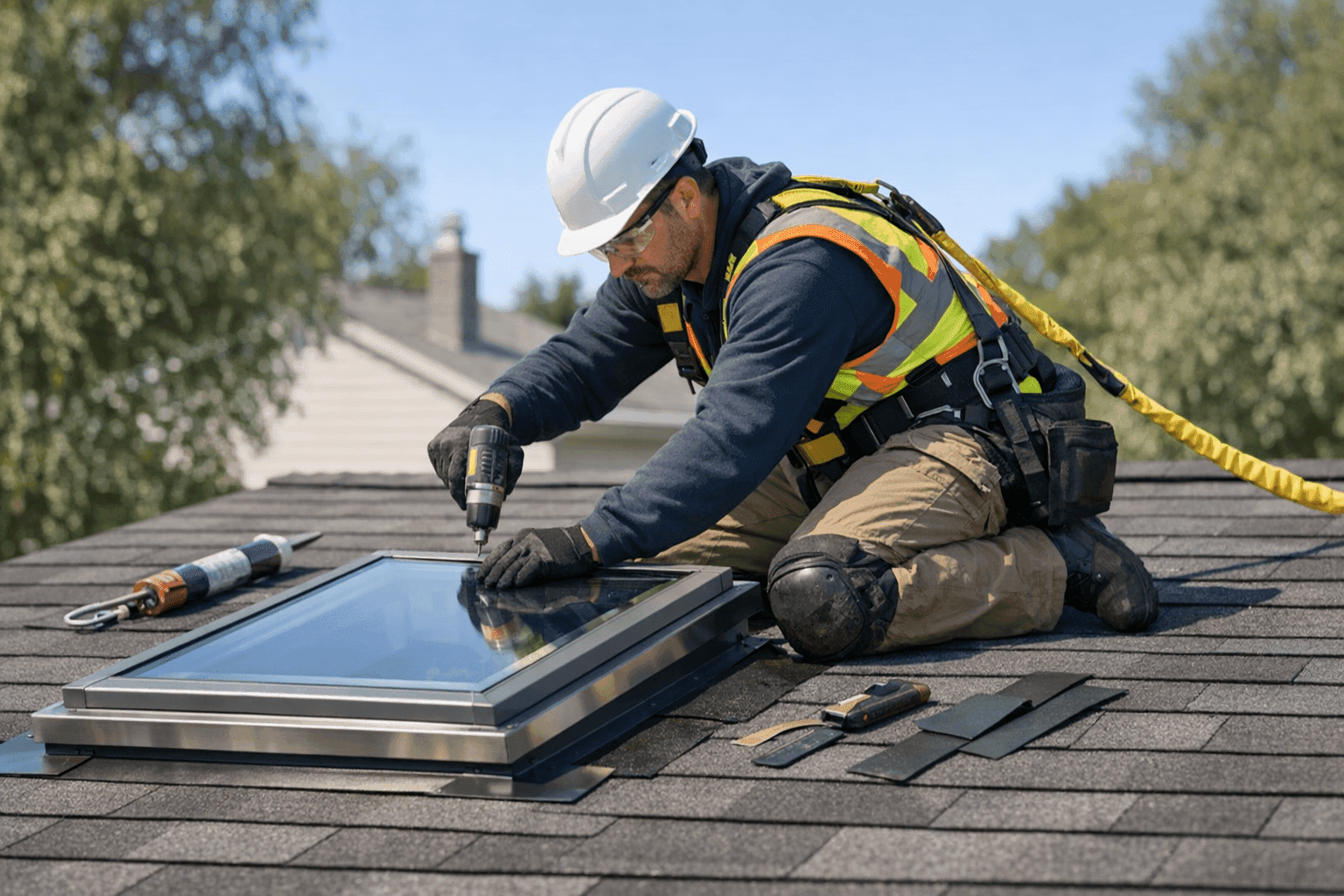
Let’s face it: most rooms could use a little more sunshine. Whether you’re battling gloomy hallways, a cave-like kitchen, or simply want to bring nature closer, skylight installation can make a world of difference. At Robert Foley Roofing, we’ve seen firsthand how a well-placed skylight turns a dark corner into the favorite spot in the house.
But skylights aren’t just about good looks. They’re an investment in comfort, efficiency, and value. Before you leap into the world of natural lighting, here’s what you should know about the benefits, process, and what to expect.
Why Add a Skylight? 🌞
Think of a skylight as a window to the sky. It’s not just a hole in your roof—it’s a game changer for how your home or business feels and functions.
Key Benefits:
- Natural Light: More sunlight means a brighter, happier space. Studies by the National Renewable Energy Laboratory show that natural light boosts mood and productivity.
- Energy Savings: Skylights can reduce your reliance on electric lighting during the day, and—when properly installed—help regulate indoor temperatures.
- Ventilation: Certain skylight models open, letting in fresh air and reducing stuffiness.
- Aesthetic Value: The play of sunlight across a room brings life to your décor. It also adds curb appeal and value to your property.
- Eco-Friendly Options: Modern skylights, especially ENERGY STAR® certified models, increase efficiency and support sustainable roofing.
Overview of the Installation Process
Getting a skylight is more than just a quick cut and drop. It’s a carefully planned journey with several key steps:
- Initial Consultation: We assess your roof type, structural integrity, and the best placement for maximum light and minimal heat gain.
- Material Selection: Choose from glass, acrylic, or polycarbonate, considering features such as UV protection or impact resistance.
- Site Preparation: We protect your interiors, move furniture if needed, and set up safe access.
- Roof Opening: The roofing team carefully cuts an opening, ensuring all safety and building codes are followed—referencing the International Residential Code (IRC) as standard.
- Framing and Flashing: Proper support is installed, and flashing is placed to prevent leaks. This is critical; poor flashing is the #1 cause of skylight leaks.
- Skylight Installation: The unit is set and sealed, inside and out, to guard against weather.
- Interior Finish: We patch drywall, touch up paint, and make sure everything looks seamless.
- Inspection and Clean-Up: A thorough check for leaks and a tidy workspace wrap up the project.
Each step takes skill. That’s why most property owners opt for professional installation.
Choosing the Right Skylight Type
Not all skylights are created equal. Picking the right one is like choosing shoes for a long hike—you want the best fit for your needs.
Types of Skylights:
- Fixed: These don’t open. Great for adding light to rooms where ventilation isn't needed.
- Ventilating: Open manually or with a remote. Ideal for bathrooms and kitchens where moisture needs to escape.
- Tubular: Small, flexible tubes channel sunlight into smaller spaces—think closets or hallways.
- Flat Roof Skylights: Designed for low-slope or flat roofing, using special curb-mounted frames for water resistance.
Key Considerations:
- Roof Pitch: Some skylights are only suitable for certain slopes. A pro can guide you on compatibility with your roofing.
- Glazing Options: Double or triple glazing, tinted glass, and UV coatings all affect performance and comfort.
- Size & Placement: Bigger isn’t always better. Strategic placement harnesses the sun’s path, balancing light and heat.
For a full breakdown of options and what works best for your property, our skylight installation service guide is a solid resource.
What to Expect During and After Installation 🛠️
Skylight installation does require opening up your roof—so yes, there’s a bit of disruption. But most jobs are wrapped up in a day or two.
Here’s what you can expect:
- Noise: Cutting through decking and roofing isn’t quiet. If you work from home, headphones might become your best friend for a day.
- Dust & Debris: We cover furnishings and clean up thoroughly, but a little construction dust is part of the process.
- Weather Delays: Safety comes first. We keep a close eye on forecasts and reschedule if rain or high winds threaten.
- Final Walkthrough: We’ll check for leaks, confirm smooth operation (for vented units), and review care instructions.
After installation, most property owners notice immediate changes. Spaces feel bigger, lighter, and more inviting. Energy bills may drop, especially if you’ve chosen energy-efficient glazing. And with regular upkeep, your skylight can last decades.
Safety Checklist for Skylight Projects
Safety isn’t optional—it’s essential. Here’s our quick checklist:
- Follow OSHA guidelines for ladder and roof access.
- Wear proper fall protection if working on steep or high roofs.
- Check local building codes for permit requirements and structural specs.
- Inspect framing for rot, pests, or damage before installation.
- Never cut rafters or trusses without a structural review.
If any step feels risky, call a professional. Roofing projects—especially those involving structural cuts—aren’t the place to experiment.
DIY or Call a Pro?
You might be handy. You might even own a good set of tools. But skylight installation walks a fine line between home improvement and structural surgery.
DIY Risks:
- Leaks from improper flashing or sealing.
- Voiding roofing warranties.
- Potential injury from falls or tool mishaps.
- Damage to wiring, plumbing, or HVAC hidden in ceilings.
For these reasons, most homeowners and business owners choose professional help. It’s peace of mind, not just a finished project.
Costs & Time Factors
Skylight costs vary. Factors include size, type, glazing, and roof complexity. Installation on a steep slate roof takes longer (and costs more) than on a mid-slope asphalt shingle roof.
Typical investment includes:
- The skylight unit.
- Flashing and sealants.
- Labor and disposal fees.
- Interior finishing touches.
Some property owners pair skylight installation with roof replacement for efficiency—opening the roof just once and updating everything in one go.
When It's an Emergency
Sometimes, skylight issues appear suddenly—a fallen branch, unexpected leak, or storm damage. If water is pouring in or glass is shattered, don’t wait.
Our team is available for urgent repairs, and we offer support throughout the year. We also serve neighboring areas; for example, you can learn about local roofing needs through our Grand Forks service area page.
Prevention & Maintenance Tips
A little attention goes a long way. Here’s how to keep your skylight problem-free:
- Inspect seals and flashing each season for visible cracks or gaps.
- Keep gutters and nearby roofing clear to prevent water backup.
- Clean glass or acrylic with gentle soap—avoid abrasive pads.
- Trim overhanging branches to reduce impact risk.
- Check for condensation inside panes; persistent fogging may signal a failed seal.
Most maintenance overlaps with regular roofing upkeep. If you’re scheduling [Decking near you], consider a skylight check at the same time.
Common Mistakes to Avoid
Even small missteps can cause big headaches:
- Wrong Placement: Installing where the sun overheats a room in summer.
- Improper Flashing: The #1 cause of leaks—always use manufacturer-recommended kits.
- Skipping Permits: Local codes exist for a reason; don’t ignore them.
- Underestimating Roof Slope: Not all skylights fit every roof.
When in doubt, a pro can spot potential issues before you commit.
Signs of Trouble
Watch for these red flags:
- Water stains or peeling paint around the skylight.
- Drafts or temperature swings near the opening.
- Visible cracks in the glass or frame.
- Unusual noises during wind or rain.
Early intervention saves money and stress.
Seasonal Considerations
Winter brings snow load and ice dams; summer brings intense sun. Both can impact skylight comfort and lifespan. Consider features like built-in shades or UV coatings if your region swings from bitter cold to blazing heat.
Timeline & Disruption
Most skylight installations take 1–2 days. Factors affecting timeline:
- Weather: Rain or wind can pause work.
- Roofing material: Metal, tile, and flat roofs may need extra steps.
- Interior access: Vaulted ceilings or finished attics require special care.
We’ll walk you through the schedule before any work starts, so there are no surprises.
Materials & Equipment
The right materials matter. We use:
- Energy-efficient glass for light and insulation.
- Durable flashing kits to match your roof type.
- Sealants rated for extreme temperatures.
- Sturdy ladders, scaffolding, and safety harnesses per OSHA guidelines.
Everything is chosen to last and to blend with your existing roofing.
FAQ: Your Skylight Questions Answered
Q: Can skylights leak?
A: With proper installation and flashing, leaks are rare. Most problems come from poor DIY work or old, deteriorated units.
Q: Do I need a permit for a skylight?
A: Usually, yes. Local building codes (like IRC Section R308) set standards for safety and placement.
Q: Will a skylight increase my energy bills?
A: Modern, ENERGY STAR® certified models can reduce lighting costs and regulate temperature, often saving you money.
Q: What if I have a flat roof?
A: Special curb-mounted skylights are designed for flat or low-slope roofs. Your installer will know what works best.
Prevention is Better Than Repair
The best way to avoid issues is to schedule regular roof inspections, especially after storms or extreme weather. This keeps skylights, gutters, and all components working together.
Ready to brighten your space with natural light?
Call Robert Foley Roofing now — or reach us anytime at 844-684-1881 .