Skylight Repair: Troubleshooting Leaks, Cracks, and Condensation
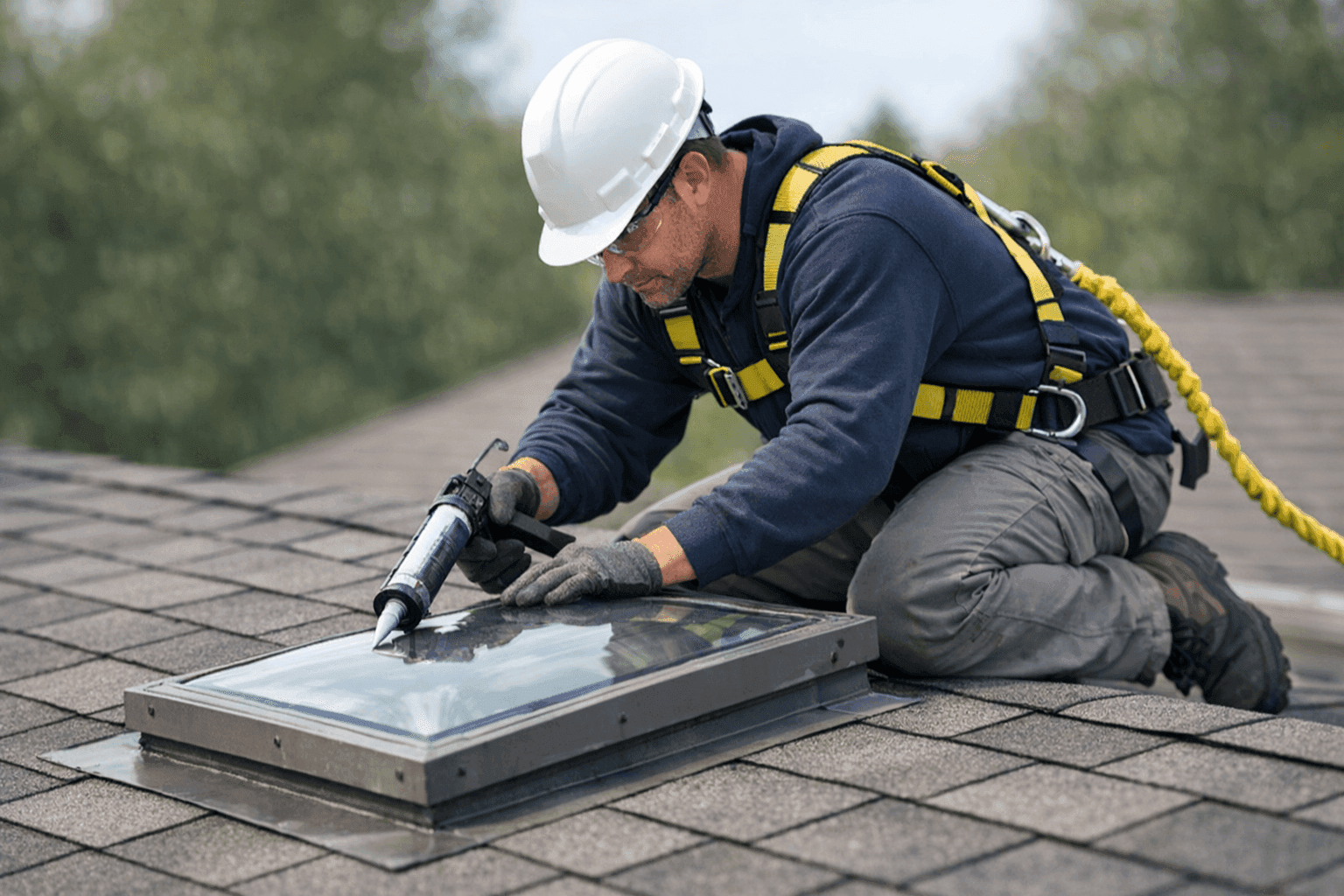
Skylights can transform a room, flooding it with natural light and opening up new perspectives. But when leaks, cracks, or condensation appear, that bright spot can quickly turn into a source of stress. If you’re facing water drips, foggy glass, or suspicious stains, you’re not alone—and there’s a smart way forward.
At Robert Foley Roofing, we understand how urgent these issues feel. Water finds a way, sometimes quietly, sometimes in a rush. We’re here to break down the most common skylight problems and guide you through practical solutions that fit both residential and commercial needs.
Common Skylight Problems
Every skylight brings the outside in, but it also introduces a few unique challenges. Here are the issues we see most often:
- Leaks: Water sneaking in around the frame, flashing, or glass.
- Cracks: Chips or fractures in the glass or acrylic panes.
- Condensation: Persistent fog or moisture trapped inside or on the skylight.
- Drafts: Noticeable temperature changes near the skylight.
- Discoloration: Yellowing, cloudiness, or mildew stains.
- Noisy Operation: Creaks, squeaks, or stuck opening mechanisms.
Think of skylight problems like a small crack in a windshield. Left unchecked, even the tiniest flaw can spread and cause much bigger headaches.
Diagnosing Leaks, Cracks, and Condensation
Pinpointing the root of skylight trouble is part detective work, part experience. Here’s how to read the signs:
Leaks
- Timing: Is water only present after storms, or is it constant?
- Location: Does the leak appear at the frame, ceiling, or elsewhere?
- Staining: Brown rings or peeling paint around the skylight suggest ongoing moisture.
- Check the Flashing: Roofing pros know to inspect the metal flashing first—it’s a common weak spot.
Cracks
- Visual Inspection: Use a flashlight to look for hairline cracks or chips.
- Feel for Drafts: Run your hand along the edge; cool air may signal a gap.
- Check for Movement: Gently press the skylight pane—any give or wobble can indicate a loosened seal.
Condensation
- Location Matters: Moisture between the panes means a failed seal. Fog on the inside surface suggests humidity issues.
- Seasonal Patterns: Does condensation appear only in winter or during heavy rains?
- Nearby Vents: Bathrooms and kitchens boost humidity. Poor attic ventilation makes it worse.
Tip: The International Residential Code (IRC) recommends proper roof flashing and adequate ventilation to prevent many skylight issues. Always follow local building codes for safe, lasting repairs.
Safety First: Quick Checklist Before You Start 🛑
- Ladders: Choose a sturdy, level ladder for roof access.
- Footwear: Wear shoes with good grip—wet roofs are slippery.
- Weather: Never inspect a skylight during storms or high winds.
- Buddy System: Have someone nearby when working at heights.
If in doubt, call a roofing professional. Safety on the roof is non-negotiable.
DIY or Professional Skylight Repair?
It’s tempting to tackle a small leak or crack yourself, but here’s what to consider:
DIY is Possible When:
- The issue is minor—like interior condensation or a small, visible crack.
- You have access to the right sealants and cleaning supplies.
- The skylight is easy to reach from inside.
Call in the Pros When:
- Water stains are spreading or returning.
- You spot warped or damaged flashing around the skylight.
- The glass is cracked or the skylight feels loose.
- You notice mold, rot, or damaged drywall nearby.
Professional roofing teams use advanced leak-detection tools and safe work methods. They’ll also check for hidden structural issues that might be missed from the ground.
What to Expect: How Pros Tackle Skylight Problems
When you contact a roofing specialist, here’s what usually happens:
- Inspection: Visual review inside and out; moisture meter readings.
- Water Testing: Controlled water flow to trace leaks.
- Flashing & Seal Check: Inspecting all seams, caulking, and roof flashing.
- Glass & Frame Assessment: Checking for cracks, fogging, or loose hardware.
- Attic Review: Examining insulation and ventilation near the skylight.
Each step builds a clearer picture. Sometimes, the culprit is old roof cement. Other times, it’s failed flashing or a worn gasket. The solution is matched to the cause.
Repair Options and Preventative Care
Leak Repair
- Sealant Application: High-grade silicone or polyurethane sealants plug small gaps.
- Flashing Replacement: Sometimes, the metal flashing around the skylight needs a full update.
- Caulking Touch-Up: Re-caulking the joints stops water in its tracks.
- Roofing Felt Repair: Replacing the waterproof barrier beneath the shingles can help.
- Gutter Clearing: Overflowing gutters can drive water up and under the skylight.
For more about tackling leaks, see our page on roof leak repair.
Crack and Condensation Fixes
- Crack Repair: Small chips may be patched with specialized glass or acrylic repair kits. Larger cracks often need a full pane replacement.
- Condensation Solutions: Improving attic ventilation and insulation helps. Sometimes, a dehumidifier is the best short-term fix.
- Glass Replacement: Dual-pane skylights with fogging between layers usually need new glass units.
Preventative Maintenance
- Seasonal Inspections: Check skylights after major storms and at least twice a year.
- Gutter and Downspout Cleaning: Clean gutters steer water away from vulnerable roof areas.
- Reapply Sealants: Most skylight sealants last 5–10 years; reapply as needed.
- Check for Debris: Overhanging tree branches can scratch or damage skylight surfaces.
Regular upkeep saves money and headaches down the road.
When Skylight Issues Become an Emergency 🚨
Sometimes, skylight problems can’t wait:
- Sudden Downpour: Water pouring through a skylight opening.
- Shattered Glass: Broken panes after hail or impact.
- Interior Flooding: Water pooling on floors or damaging electrical systems.
If you see these signs, act quickly. Turn off power in the affected area if safe. Place buckets or towels to contain the water. Then contact a roofing team immediately. In some cases, local support is available for urgent skylight and Decking near you.
When to Replace a Skylight
Not every skylight can (or should) be repaired. Replacement makes sense when:
- The glass is shattered, deeply cracked, or severely fogged.
- The frame is warped, rusted, or rotten.
- Repeated repairs haven’t fixed the problem.
- The skylight is over 15–20 years old—past its typical lifespan.
- Energy bills are rising due to drafts and poor insulation.
Upgrading to a modern, energy-efficient skylight can cut heating and cooling costs, too.
Costs and Timeline: What to Expect
- Minor Repairs: Sealing, re-caulking, or minor crack fixes can be finished in a few hours.
- Flashing or Glass Replacement: Usually takes 1–2 days, depending on weather.
- Full Replacement: Plan for 1–3 days, especially if custom sizes are needed.
Costs depend on skylight size, roof pitch, and material. It’s smart to ask for a detailed estimate. Always check that your contractor follows Occupational Safety and Health Administration (OSHA) guidelines for safe roof work.
Materials and Equipment Used
- Roofing sealants and caulk (silicone, polyurethane)
- Flashing kits (aluminum, copper, or galvanized steel)
- Replacement glass or acrylic panes
- Moisture meters
- Ladders and fall protection
Pros also use specialty tools to test for leaks—saving time and ensuring a durable fix.
Common Mistakes to Avoid
- Ignoring small leaks, hoping they’ll go away.
- Using the wrong type of sealant (some can damage skylight materials).
- Scraping or power-washing the glass—risking scratches.
- Failing to check the attic for hidden moisture.
Catch issues early, and don’t cut corners on materials.
Seasonal Considerations for Skylight Care 🏠
- Spring: Inspect after heavy snow or wind.
- Summer: Watch for expansion cracks from heat.
- Fall: Clear leaves and check seals before winter.
- Winter: Remove snow buildup; watch for ice damming.
Plan professional inspections before extreme weather seasons for peace of mind.
FAQ: Skylight Repair and Maintenance
How long should a skylight last?
Most modern skylights last 15–20 years with proper care.
Can I reseal a skylight myself?
Small interior caulking jobs are possible, but exterior flashing or glass work is best left to professionals.
What’s the best way to prevent condensation?
Improve attic ventilation and use a dehumidifier in high-humidity rooms.
Is it normal for skylights to leak in heavy rain?
No. Properly installed and maintained skylights should stay watertight in all conditions.
Preparing for Skylight Service
- Clear furniture from beneath the skylight.
- Move valuables away from the work area.
- Note when the problem started and any patterns.
- If possible, take photos of leaks or cracks for your roofing team.
Being prepared helps your repair appointment go smoothly.
Professional Skylight Repair: What Sets Us Apart
At Robert Foley Roofing, we handle everything from emergency leak response to full skylight replacements. Our crews are trained in the latest National Roofing Contractors Association (NRCA) standards. We offer residential and commercial roofing solutions, including skylight repair options tailored to your building and budget.
Don’t Wait—Protect Your Home or Business
A bright skylight shouldn’t come with a dark cloud of worry. If you’re noticing leaks, cracks, or persistent condensation, the right fix is closer than you think. Whether you need quick leak repair, a new installation, or just some honest advice, we’re ready to help.
Call Robert Foley Roofing now — or reach us anytime at 844-684-1881 .