Structural Roof Repair: When It’s More Than Surface Damage
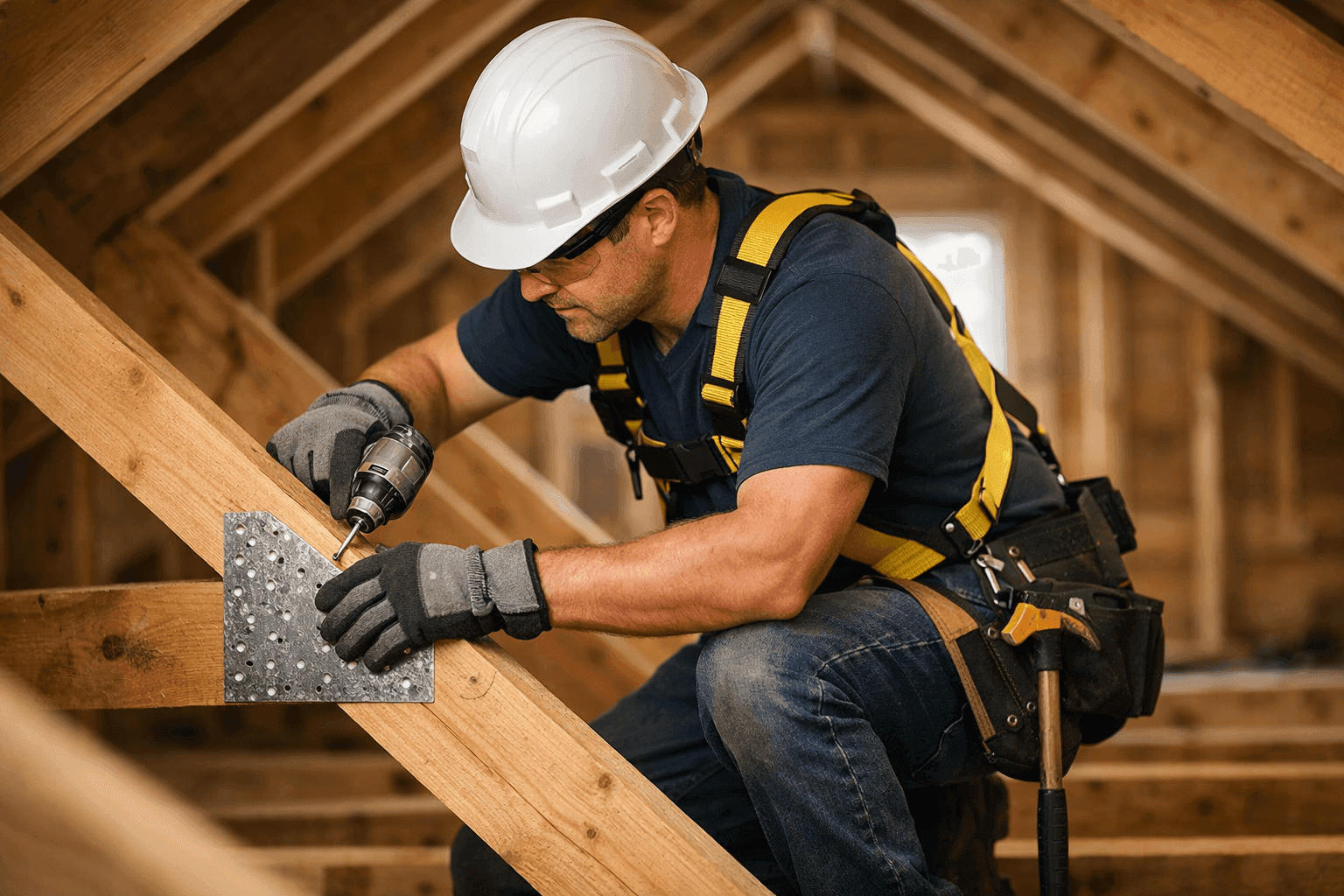
When your roof’s bones are in trouble, it’s not just about missing shingles or a leaky spot after a storm. Structural roof damage cuts deeper. It can sneak up on any homeowner or business, and the stakes are high. Water, wind, and time are relentless—ignoring the signs can mean more than a patch job down the road.
At Robert Foley Roofing, we’ve seen roofs that looked okay from the curb but hid serious problems underneath. If you’re reading this, you’re already a step ahead. Let's break down what you need to know, so you can act early and protect your investment.
Signs of Structural Roof Damage 🏚️
Not all roof problems are obvious. Sometimes, the warning signs are subtle and easy to miss. Here’s what to watch for:
- Sagging or uneven rooflines: If your roof looks wavy or bowed, it’s a red flag.
- Cracks in interior ceilings or walls: These can point to shifting or settling in the roof structure.
- Doors and windows that stick: Warped frames may signal the roof is pressing down where it shouldn’t.
- Visible gaps or daylight through the attic: If you can see sunlight where you shouldn’t, something’s shifted.
- Popping, creaking, or groaning noises: Roofs shouldn’t sound like haunted houses.
- Water stains or mold growth: Persistent leaks can weaken rafters and decking, leading to rot.
Even one of these signs means it’s time for a closer look. Early detection is key.
Causes and Risks of Neglect
Structural roof damage rarely appears out of nowhere. Most of the time, it’s a slow build—a result of small issues piling up until the framework can’t cope.
Common causes include:
- Storm and wind damage: Heavy gusts, hail, or falling branches can stress trusses and beams.
- Long-term water intrusion: Leaks left unchecked rot wood and rust metal fasteners.
- Improper installation or design flaws: If your roof wasn’t built to code, trouble can start early.
- Pest infestations: Termites and carpenter ants see wood framing as a buffet.
- Added weight: Heavy snow, new solar panels, or extra layers of shingles can overload the structure.
Risks of waiting:
- Escalating repair costs: Fixing a minor issue is always cheaper than rebuilding a collapsed section.
- Safety hazards: Structural failure can threaten everyone inside.
- Insurance headaches: Delayed maintenance often leads to denied claims.
- Lost property value: A compromised roof can tank a home’s resale price.
The longer you wait, the greater the risk. It’s like ignoring a toothache—eventually, you’ll wish you’d acted sooner.
Repair Approaches and Best Practices
Every roof is unique, but structural repairs follow some tried-and-true principles. The first step is always a thorough inspection—both inside and out.
Typical repair steps:
- Assessment: Identify the full extent of the damage, from rafters to decking.
- Temporary stabilization: Shoring up weak areas to prevent collapse while planning repairs.
- Replacing or reinforcing framing: Damaged beams, trusses, or joists may need to be swapped out or doubled up.
- Decking repair: Rotted or warped plywood gets replaced for a solid base.
- Restoring roof covering: Shingles, tiles, or metal panels go back on, matched to the original design.
- Preventative upgrades: Improved ventilation, insulation, or flashing to reduce future risks.
If you’re considering structural repair services, choose a contractor who understands both the science and the art of roofing. Following local building codes and OSHA safety standards is non-negotiable. Materials should match or exceed the original specs.
DIY or Call a Pro?
Some home fixes are weekend projects. Structural roof repair isn’t one of them. Working on a roof’s frame is risky, and mistakes can be costly or dangerous.
DIY may be possible if:
- The issue is minor (like a single loose board in the attic).
- You have carpentry experience and proper safety gear.
Call a professional if:
- The problem involves sagging, widespread rot, or compromised beams.
- You’re not sure what’s causing the issue.
- There’s any sign of water, electrical, or mold damage.
When it comes to the bones of your home or business, it’s wise to let experienced hands take over.
What Pros Do On Arrival
When a structural problem is suspected, roofing professionals don’t just glance at the shingles. Here’s what you can expect:
- Full visual inspection: Inside the attic, along the eaves, and across the decking.
- Moisture checks: Using meters to spot hidden leaks or rot.
- Load calculations: Making sure the roof can safely carry its weight (and anything you’ve added).
- Documentation: Photos and notes for insurance and planning.
- Safety first: Setting up temporary supports if there’s any risk of collapse.
A good roofing team brings not just tools, but a trained eye for warning signs that others might miss.
Prevention & Maintenance Tips 🛠️
The best way to avoid major repairs is to catch problems early. Here’s how:
- Schedule regular inspections: At least once a year, or after major storms.
- Keep gutters and downspouts clear: Blockages cause water to back up and seep into the structure.
- Trim overhanging branches: Prevents impact damage and keeps critters away.
- Watch your attic: Check for leaks, mold, or daylight peeking through.
- Don’t overload the roof: If you’re adding solar panels or a new deck, consult a pro first.
Staying proactive can add years to your roof’s life and save you from costly surprises.
Costs & Time Factors
Structural roof repairs can range from a few hundred dollars for minor fixes to several thousand for major rebuilds. The timeline depends on:
- Extent of damage: More damage means more labor and materials.
- Roof type: Flat roofs, tile roofs, and shingle roofs each have unique requirements.
- Weather: Rain or snow can delay work and complicate repairs.
- Permits and inspections: Following local codes may add time, but it’s essential for safety and insurance.
A reputable contractor will give you a clear estimate and keep you informed every step of the way.
When It’s an Emergency
If your roof is sagging, leaking heavily, or you notice a sudden change after a storm, don’t wait. Move people and valuables out of harm’s way and call for emergency roofing help.
In urgent cases, temporary supports or tarps may be installed to stabilize the area until a full repair can be made. Fast action can prevent a bad situation from getting worse.
If you’re seeking immediate roof repair options, make sure the crew is trained in both safety and structural assessment.
Seasonal Considerations 🌦️
Different seasons bring different risks for your roof’s structure:
- Winter: Heavy snow and ice add weight, and freeze-thaw cycles can widen cracks.
- Spring: Melting snow reveals leaks or water damage that set in over winter.
- Summer: Intense heat can dry and crack wood, while storms test the roof’s strength.
- Fall: Falling leaves clog gutters, leading to water backup and rot.
Scheduling inspections before and after harsh weather is a smart move. If you’re looking for roofing services in Washington, local crews understand the unique climate challenges and can help you prepare.
Common Mistakes to Avoid
- Ignoring small leaks: Water always finds a way to make things worse.
- Covering up damage: New shingles over a weak deck won’t solve the problem.
- Skipping permits: Unpermitted repairs can void insurance or stall a sale.
- DIY shortcuts: Saving money upfront can mean spending more later.
Take every sign of trouble seriously. The roof over your head is too important for shortcuts.
Timeline & Disruption
No one likes a long, noisy repair job. Most structural fixes can be completed in days, not weeks, especially if caught early. Expect some disruption—hammering, dust, and maybe a few curious neighbors—but a good crew will keep things tidy and safe.
Plan ahead: Move cars, secure pets, and clear attic spaces if possible. Your contractor should walk you through what to expect.
Materials and Equipment Used
Structural repairs use materials designed to last. Expect:
- Pressure-treated lumber: Resists rot and insect damage.
- Galvanized fasteners: Prevent rust, especially in humid climates.
- Plywood or OSB decking: Chosen for strength and stability.
- Sealants and coatings: Protect against future leaks.
Tools range from simple hammers and saws to moisture meters and support jacks. All work should meet or exceed local building codes—check with your contractor if you’re unsure.
Decking: The Hidden Foundation
Think of your roof’s decking as the stage beneath the set. If it’s warped, weak, or rotted, everything above is at risk. Decking problems often go unnoticed until a leak appears or shingles start to buckle.
If you’re searching for “Decking near you,” remember that quality installation and regular checks are critical. A strong deck means a strong roof.
FAQ: Structural Roof Repair
Q: How do I know if I need structural repair or just a surface fix?
A: If you see sagging, cracks, or major leaks, it’s likely structural. Surface problems are usually limited to shingles or flashing.
Q: Is structural repair covered by insurance?
A: Often, yes, if caused by storms or sudden events. Damage from neglect is rarely covered.
Q: Can I stay in my home during repairs?
A: Most of the time, yes. For major work, you may need to vacate certain rooms temporarily.
Q: How long will the repair last?
A: With quality materials and installation, structural repairs can last as long as the original roof—often decades.
When to Involve a Professional
If you’re unsure, it’s always better to have a professional assess your roof. Building codes, safety standards, and the hidden nature of structural damage make this a job for experienced roofers. The National Roofing Contractors Association and OSHA both stress the importance of trained professionals for structural work.
Whether you own a home or a business, the right help can make all the difference. If you’re dealing with complex damage or need seasoned advice, don’t hesitate to reach out.
Call Robert Foley Roofing now — or reach us anytime at 844-684-1881 .