The Importance of Roof Pitch: How It Affects Drainage and Longevity
When you look up at a roof, it’s easy to miss how much its angle shapes the life of your building. But roof pitch isn’t just about style. It’s a silent architect—guiding water, fighting gravity, and defending your investment, season after season.
At Robert Foley Roofing, we’ve seen firsthand how the right pitch can mean the difference between a roof that lasts decades and one that struggles after every storm. Understanding roof pitch isn’t just for architects. Homeowners and business owners alike benefit from knowing what’s overhead.
What Is Roof Pitch?
Picture a child’s slide at the playground. The steeper it is, the faster things move down it. Roof pitch works the same way. It’s the angle or slope of your roof, usually described as a ratio—like 4:12 (meaning the roof rises 4 inches for every 12 inches it runs horizontally).
- Low pitch: Almost flat, like a gently sloping ramp. Common on commercial buildings.
- Medium pitch: The classic look on most homes, offering a good balance.
- High pitch: Think of the dramatic peaks on old churches or cabins in snowy regions.
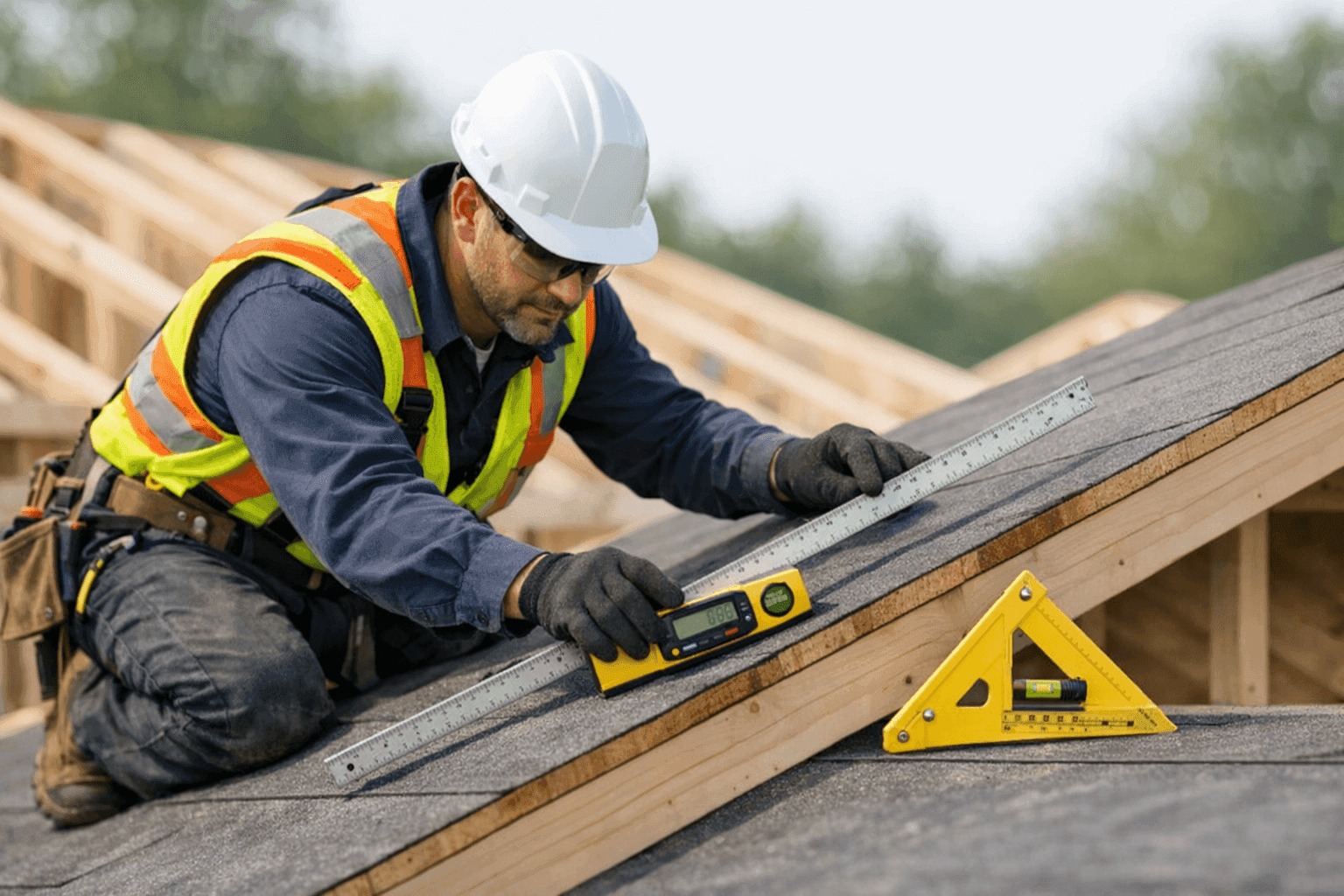
You can measure roof pitch with a level and a tape measure, or leave it to professionals who use specialized tools. According to the International Residential Code (IRC), certain materials and climates require minimum pitches for safety and durability.
How Pitch Affects Drainage 💧
Water is relentless. A roof’s main job is to send it away, fast. The steeper the pitch, the quicker rain and snow slide off. Flat or low-slope roofs need extra help—think advanced membranes or built-in drainage systems—because water tends to linger.
- Steep roofs: Gravity does the heavy lifting. Less chance for puddles, moss, or leaks.
- Low-slope roofs: Water drains slowly, increasing the risk of leaks and pooling. These roofs need careful design and regular inspections.
Not all climates are created equal. In regions with heavy snow or rainfall, a higher pitch helps prevent dangerous buildup. Building codes often specify minimum pitches for this reason—protecting your property and everyone inside.
Roof Pitch and Material Selection 🏠
Choosing roofing materials isn’t just about color or cost. The pitch of your roof can limit—or expand—your options.
- Shingles: Asphalt shingles work best on roofs with a pitch of 4:12 or higher. Below that, water can sneak under the edges.
- Metal roofing: Versatile, but certain profiles are better suited for steeper slopes.
- Tile roofing: Needs a solid pitch to shed water effectively and avoid weight issues.
- Flat roofs: Require special membranes (like TPO or EPDM) and expert installation.
If you’re considering Decking near you as part of your roof design, keep in mind that integrated decks and flat roof sections require even more attention to drainage and waterproofing.
Choosing the Right Pitch for Your Project
Every building has its own story. The right pitch depends on your climate, your style, and your long-term plans.
- Snowy climates: Steeper pitches prevent ice dams and heavy snow loads.
- Rainy regions: A moderate to steep pitch speeds up water runoff.
- Hot, dry areas: Lower pitches can work, but proper materials and ventilation are key.
For new builds, architects and roofing professionals collaborate to get the pitch just right. For existing roofs, sometimes a change in pitch can solve chronic problems—but it’s a major renovation. Always consult the local building codes and an experienced roofer before making changes.
Measuring Roof Pitch: DIY or Call a Pro?
If you’re curious, you can measure your roof’s pitch from inside the attic or on the roof itself. Use a level and a tape measure—mark 12 inches along the level, then measure the vertical rise at that point. But be careful: climbing on roofs is risky, especially if you’re not used to heights or the surface is slippery.
For accurate measurements and safety, most property owners turn to professionals. We use digital pitch finders and inspect for underlying issues at the same time.
Common Mistakes Homeowners Make
- Ignoring roof pitch when replacing materials: Not all roofs can handle every type of shingle or tile.
- Assuming flat roofs don’t need drainage: Even a “flat” roof needs a slight slope to move water.
- Skipping maintenance: Low-slope roofs especially need regular gutter cleaning and inspection.
Roof Pitch and Energy Efficiency
A well-chosen pitch can improve ventilation, reduce heat buildup, and extend the life of your insulation. Steeper roofs can allow for larger attic spaces and better airflow. For eco-friendly options, consider how pitch interacts with solar panels or green roofing systems.
Seasonal Considerations
Changing seasons put unique stress on your roof. In winter, a shallow pitch can lead to ice dams and leaks. In spring and summer, debris and heavy rain test your drainage system. Local weather patterns should always influence your pitch and material choices.
If you’re dealing with unpredictable storms or temperature swings, you may want to consult with roofing services in Charleston who understand the local climate’s impact on roof performance.
When It’s an Emergency
A sudden leak or visible sag in your roofline is a red flag. Don’t wait. Emergency services are designed to stop water intrusion fast—protecting your property until a long-term solution is in place. The pitch of your roof often determines how quickly a problem gets worse.
Preventative Maintenance for All Pitches
No matter your roof’s angle, routine maintenance is your best defense:
- Inspect after storms or heavy snow.
- Clean gutters and downspouts.
- Look for signs of pooling water or unusual stains.
- Schedule professional inspections at least once a year.
These steps help catch small problems before they become expensive repairs.
Roof Pitch and New Construction
Planning a new building? Now’s the time to get the pitch right. It’s easier (and more cost-effective) to design for proper drainage and material compatibility from the start. Discuss your needs with your builder and roofing contractor, especially if you’re considering new construction roofing or adding features like skylights, chimneys, or integrated decking.
Flat Roofs: Special Considerations
Flat roofs aren’t truly flat—they have a slight slope (usually 1/4 inch per foot) to guide water toward drains. They require specialized materials and regular attention. If you own a commercial building or want a modern design, make sure you understand the maintenance and inspection needs unique to flat roofs.
Roof Pitch and Local Building Codes
Every area has its own rules. Building codes specify minimum roof pitches for different materials and uses. Following these codes isn’t just about compliance—it’s about safety, insurance, and long-term value. The International Building Code (IBC) and International Residential Code (IRC) are key references for most regions.
Signs of Trouble: When to Call an Expert
Watch for these warning signs:
- Water stains on ceilings or walls.
- Shingles that curl, crack, or go missing.
- Sagging rooflines or visible dips.
- Persistent puddles or slow-draining flat roofs.
Addressing these issues quickly can prevent structural damage and costly repairs.
Costs and Time Factors
Changing a roof’s pitch is a major project—usually only done during new construction or a full roof replacement. Smaller repairs, like improving drainage or swapping materials, are more common and budget-friendly. The right pitch can save you money in the long run by reducing maintenance and extending your roof’s lifespan.
Final Thoughts: Your Roof’s Angle Matters
Whether you’re building from scratch or caring for an existing property, roof pitch is a decision that echoes for decades. It’s about more than looks—it’s about protecting your investment, your safety, and your peace of mind.
Call Robert Foley Roofing now — or reach us anytime at 844-684-1881 .