Tile Roofing: Benefits, Maintenance, and Longevity Explained
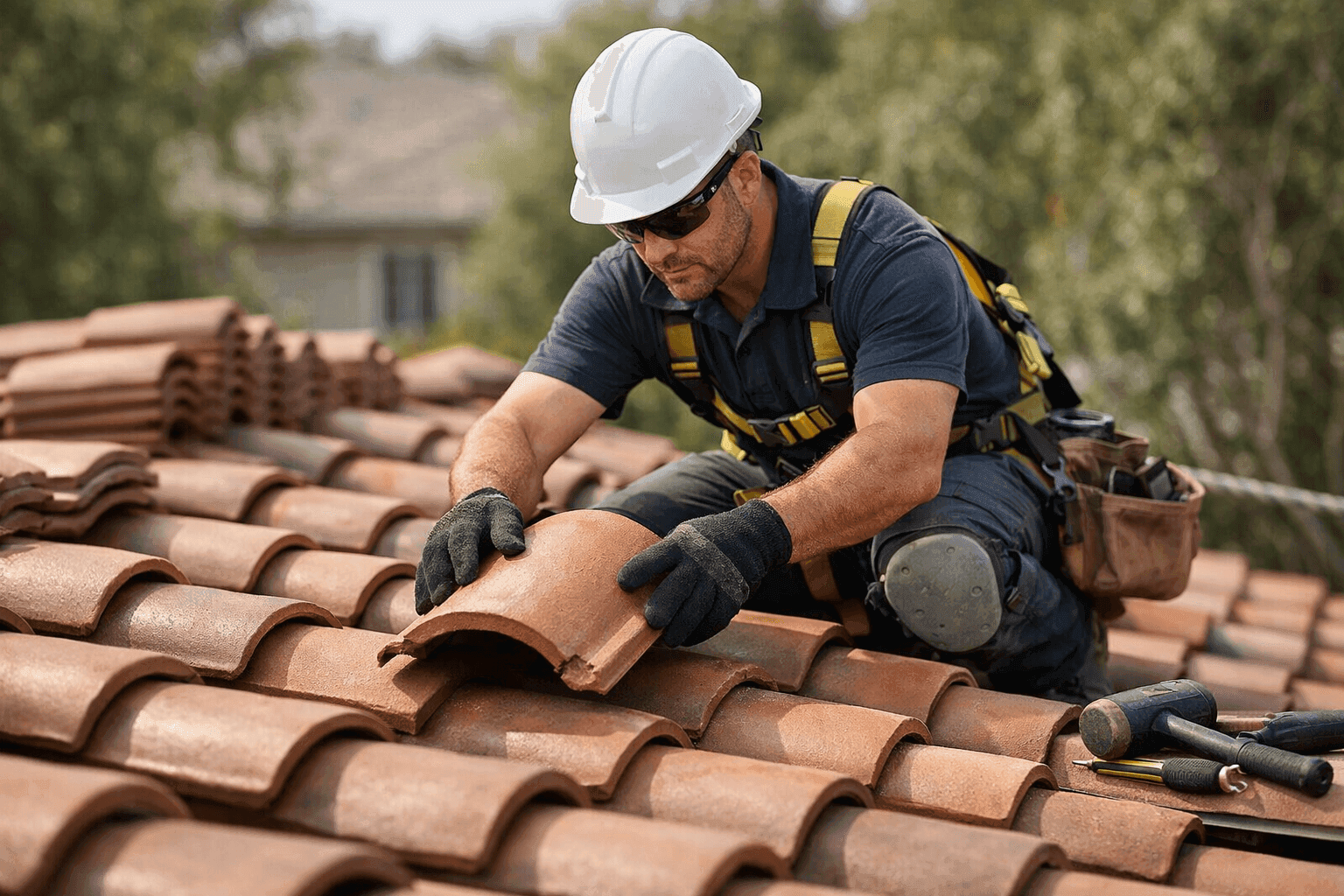
When you picture a roof that stands the test of time, do you see rows of sturdy tiles glinting in the sun? You’re not alone. Tile roofing has been trusted for centuries, and for good reason. Whether you’re worried about wild weather or just want a roof that makes neighbors slow down to look, tile might just be the answer.
At Robert Foley Roofing, we know choosing a roofing material is more than just picking a color. It’s about lasting protection, comfort, and peace of mind—for homes and businesses alike. Let’s explore why so many property owners turn to tile roofing, how it’s installed, and what it takes to keep it beautiful year after year.
Why Choose Tile Roofing? 🏛️
Tile roofing is like the trusty old oak tree in your yard—solid, reliable, and graceful even as years go by. Here’s why it stands out:
- Longevity: Tile roofs can last 50 years or more with proper care. Some clay tiles on historic buildings are centuries old!
- Weather Resistance: Tiles handle intense sun, heavy rain, hail, and even fire. They’re built to shrug off the elements.
- Energy Efficiency: The natural thermal properties of tile reduce heat transfer, helping keep buildings cooler in summer and warmer in winter.
- Curb Appeal: From Spanish terracotta to sleek concrete, tile comes in styles and colors that can complement any architecture.
- Low Maintenance: Tiles resist rot, pests, and decay. When a tile does break, it’s typically easy to swap out a single piece.
Whether your building is classic, modern, or somewhere in between, tile roofing offers a timeless look—and a practical edge.
The Tile Roof Installation Process
Installing a tile roof isn’t like laying down a simple carpet. It’s more like building a puzzle where every piece must fit just right. Here’s how the process unfolds:
- Inspection and Planning: First, the existing roof is inspected. The structure beneath must be strong enough—tile is heavier than shingles or metal.
- Decking and Underlayment: We ensure the decking is sturdy and up to code. Waterproof underlayment is installed to protect against leaks.
- Starter Tiles and Layout: Starter tiles go on at the eaves. The layout is carefully measured so rows align perfectly.
- Tile Installation: Each tile is placed and secured. Special attention is given to valleys, ridges, and hips to prevent water infiltration.
- Flashing and Ventilation: Metal flashing is installed around chimneys, skylights, and other roof penetrations. Proper ventilation ensures your attic breathes and prevents moisture buildup.
- Final Inspection: The finished roof is checked for gaps, loose tiles, and alignment. Clean-up follows, leaving your property neat.
For more details on the full range of tiling options and techniques, our tile roofing service page breaks down the choices and steps tailored to your property’s needs.
Maintenance and Repair Tips
Tile roofs don’t demand daily attention, but a little care can go a long way. Think of it like tending a classic car—routine checkups keep it running smoothly.
- Annual Inspections: Schedule a professional inspection at least once a year. Look for cracked, loose, or missing tiles, especially after storms.
- Clear Debris: Leaves, twigs, and moss can hold moisture and cause damage. Gently remove debris from the roof and gutters.
- Check Flashing: Inspect metal flashing around chimneys and vents for signs of rust or separation.
- Repair Promptly: If you spot a broken tile, replace it soon to prevent leaks or underlying damage.
- Avoid Walking on Tiles: Tiles can crack under concentrated weight. When maintenance is required, use walk pads or call a professional.
The International Building Code (IBC) and local safety guidelines recommend regular roof assessments, especially for commercial properties or older structures.
Lifespan and Cost Considerations
Tile roofing is a long-term investment. While the upfront cost is higher than asphalt shingles, it often pays for itself over decades.
- Durability: With a lifespan of 50–100 years, tile outlasts most other roofing materials.
- Lower Lifetime Cost: Fewer replacements mean fewer disruptions and less expense over time.
- Insurance Benefits: Some insurers offer discounts for fire-resistant tile roofs.
- Resale Value: Tile roofs add value and appeal to homes and commercial spaces.
If you’re weighing options between a full replacement or a simple repair, our roof replacement service page covers what to expect when considering an upgrade.
Common Scenarios: When Tile Roofing Makes Sense
- Historic Properties: Match the existing look with durable, authentic materials.
- Storm-Prone Areas: Tiles resist hail and wind better than many alternatives.
- Eco-Conscious Builds: Tiles can be made from recycled materials and support solar panel integration.
- Luxury Homes: Boost curb appeal and long-term value.
Quick Safety Checklist for Tile Roofs
- Are there visible cracks or missing sections?
- Is moss or algae building up?
- Do gutters overflow or back up during heavy rain?
- Is there evidence of leaking inside, like stained ceilings?
- Does the roofline look uneven or sagging?
If you answer “yes” to any of these, it’s time for a professional inspection.
Tile Roofing for Residential and Commercial Properties
Tile isn’t just for homes. Many businesses choose tile for its combination of durability and visual impact. Whether it’s a sprawling ranch or a retail storefront, tile adapts to many roof shapes and sizes.
DIY vs. Professional Repair
Replacing a single tile might seem simple—but accessing a tile roof safely is another story. Professionals use harnesses, walk pads, and proper footwear to prevent damage and injury. Incorrect repairs can void warranties or lead to bigger problems down the road.
What To Expect During Service
Expect some noise and dust as old materials are removed and new tiles are cut to fit. Weather can affect the timeline—a dry, mild stretch is ideal. Most residential roofs take a week or less, while larger commercial projects may run longer.
When It’s an Emergency
Severe leaks, storm damage, or fallen branches can’t wait. While tile is tough, it’s not invincible. Emergency repairs start with tarping affected areas to prevent further water intrusion. If you’re in the region, our crews are available for urgent calls—no matter the hour. For those looking for support in the area, the Baltimore roofing team provides rapid responses and thorough assessments in urgent situations.
Seasonal Considerations and Local Support
Tile roofs are less prone to ice damming, but heavy snow should be cleared to prevent excess weight. In spring and fall, check for wind-driven debris and ensure gutters and downspouts are clear. Local weather extremes may call for extra vigilance, especially as seasons change.
Preventing Common Mistakes
- Don’t pressure-wash tiles—gentle cleaning preserves their surface.
- Avoid coating with non-breathable sealants.
- Never ignore small leaks; water can travel far under tiles before appearing inside.
Signs Your Tile Roof Needs Attention
- Loose or sliding tiles
- Water stains on ceilings
- Granule buildup in gutters (from surface erosion)
- Sagging roof lines or visible dips
Regular inspections catch these early, preventing costly repairs down the line.
Timeline and Disruption
Plan ahead—tile roofing takes time, especially if structural repairs or decking upgrades are needed. Discuss access, parking, and safety fencing with your installer. Most jobs can be staged to minimize disruption to daily life or business.
Material Choices and Equipment
Clay, concrete, and slate tiles each offer unique looks and strengths. Modern tiles are lighter and more eco-friendly than ever before. Professional crews use lifts, harnesses, and specialized cutters to ensure every piece fits perfectly.
Final Thoughts
Tile roofing is more than just a beautiful upgrade—it’s a safeguard against the elements and a smart investment in your property’s future. With thoughtful care and occasional checkups, your tile roof can protect what matters most for decades.
Call Robert Foley Roofing now — or reach us anytime at 844-684-1881 .