Understanding Roof Inspections: What’s Included and Why They Matter
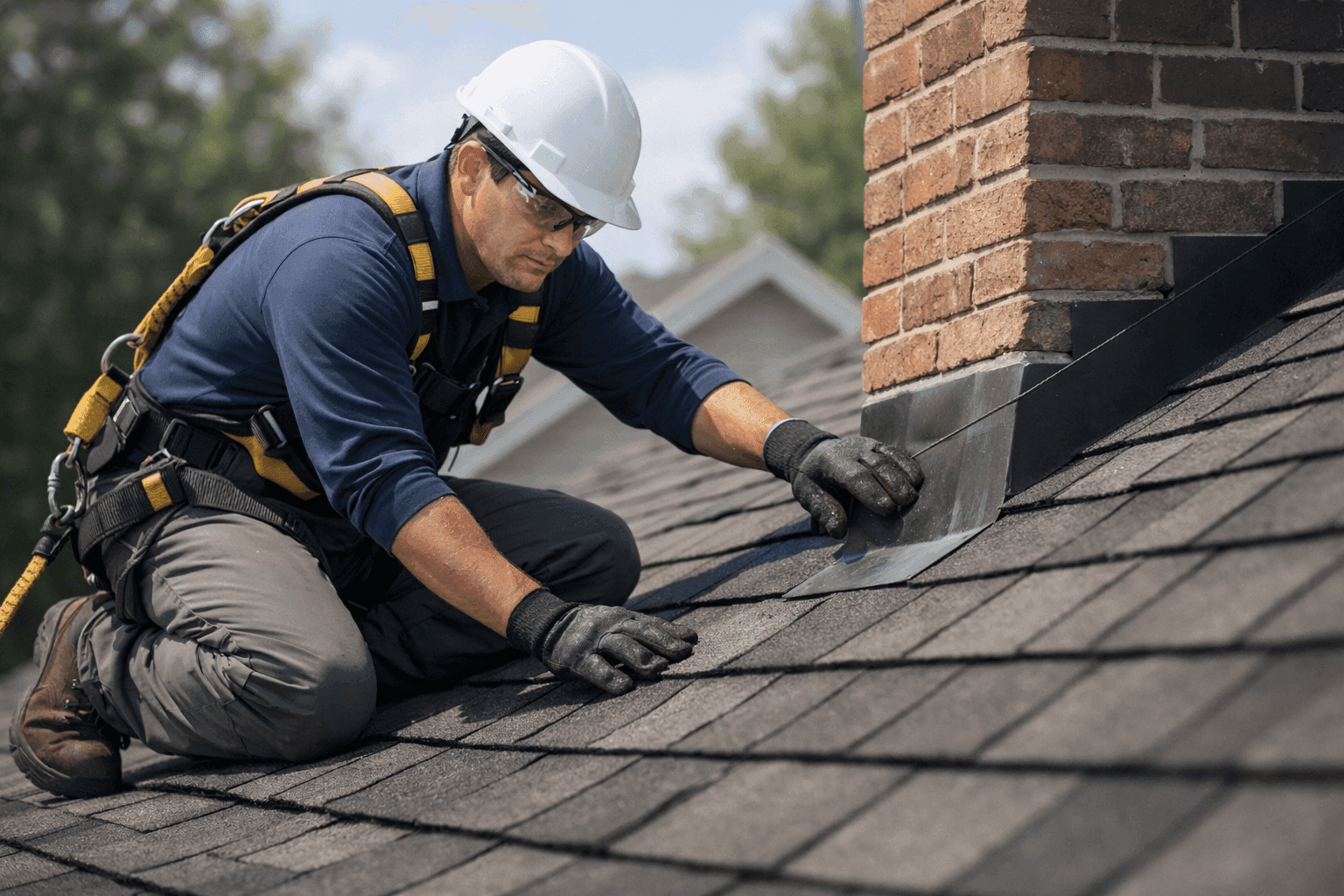
Your roof is the silent guardian of your home or business. When it’s strong, life goes on without worry. But when trouble strikes, everything beneath it is at risk—possessions, productivity, peace of mind.
At Robert Foley Roofing, we know the anxiety a mystery leak or missing shingle can bring. That’s why understanding roof inspections isn’t just useful—it’s essential. Let’s pull back the curtain on the process and show you what really happens up there.
What Happens During a Roof Inspection?
A roof inspection is more than a quick glance from the driveway. It’s a close look at every layer, fastener, and joint—like a doctor checking your pulse and lungs, not just your smile.
Here’s what you can expect:
- Exterior Assessment: Inspectors scan the roof from the ground and up close, searching for uneven lines, sagging, or visible damage.
- Surface Walkthrough: Shingles, tiles, or metal panels are checked for cracks, curling, wear, and missing pieces.
- Attachment Points: Flashing, gutters, skylights, and chimneys get special attention, since they’re common leak sites.
- Interior Review: Attics or top floors are examined for water stains, mold, and insulation gaps.
Expect your inspector to take notes, snap photos, and maybe even share live feedback as they work. Every detail matters.
Key Areas Professionals Check 🔍
A professional inspection goes deeper than surface scratches. Here’s where the real detective work happens:
- Shingles & Tiles: Are they cracked, loose, or missing? Even a single gap can let water in.
- Flashing: Metal strips around chimneys, vents, and valleys are checked for rust, separation, or bends.
- Decking: The wood beneath your roofing material is probed for soft spots or rot.
- Gutters & Downspouts: Clean, attached, and sloped correctly? Blocked or sagging gutters can flood your foundation.
- Skylights & Penetrations: Seals around skylights, pipes, and satellite mounts are checked for leaks.
- Ventilation: Proper airflow prevents moisture buildup and extends your roof’s life.
- Insulation: Missing or damaged insulation leads to energy loss and ice damming.
For commercial roofs or flat roofing systems, expect extra focus on membrane seams, ponding water, and drainage points.
If you’re looking for specifics about what a thorough inspection covers, the official service page for inspections offers a deep dive into our checklist.
How Inspections Prevent Damage
Think of inspections like oil changes for your car. Skip them, and small problems quietly grow into expensive breakdowns.
Regular roof inspections catch issues early:
- Spotting Leaks Before They Spread: Water stains and soft decking often start small. Early detection stops rot, mold, and interior repairs.
- Protecting Against Storm Damage: After hail or wind, hidden bruises or lifted shingles can be found before the next storm hits.
- Extending Roof Life: Addressing minor wear—like cracked sealant or loose flashing—means your roof lasts years longer.
- Insurance Readiness: Many insurance policies require proof of regular maintenance. Inspections provide a written record of your roof’s health.
By catching trouble early, you save money, preserve property value, and sleep easier.
How Often Should You Schedule Inspections? 📅
There’s no one-size-fits-all answer—it depends on your property and location. But here’s a reliable guide:
- Twice a Year: Once in spring, once in fall. This covers seasonal changes and prepares for storms.
- After Major Events: Heavy storms, hail, or high winds? Schedule an inspection, even if you don’t see obvious damage.
- When Buying or Selling: A roof inspection is a must during real estate transactions.
- If You Spot Trouble: Water spots, sagging ceilings, or missing shingles? Don’t wait.
Homes with older roofs, lots of trees, or complex features (like skylights or chimneys) may benefit from more frequent checks.
The Inspection Checklist: What Inspectors Look For
A professional’s checklist is meticulous. Here are the essentials:
- Missing, cracked, or curling shingles
- Rusted or separated flashing
- Soft spots or wood rot in decking
- Cracked caulking and worn-out sealants
- Blocked or misaligned gutters and downspouts
- Evidence of animal or pest intrusion
- Moss, lichen, or algae growth (which can trap moisture)
- Proper attic ventilation and insulation
- Internal water stains or mold
These details aren’t just boxes to tick. They’re clues that help pinpoint hidden risks before they become disasters.
Common Findings—and What They Mean
What might your inspector find?
- Minor Wear: Easy fixes, like a few missing shingles or a loose gutter bracket.
- Age-Related Issues: Granule loss on shingles, faded sealants, or slow leaks.
- Structural Red Flags: Sagging, rot, or severely damaged decking—these call for urgent repair.
- Storm Damage: Bruised shingles, dented metal, or torn membranes after hail or wind.
Each finding comes with a recommended action plan, so you know exactly what to expect next.
DIY vs. Professional Inspections
Climbing on your own roof can be risky. Even if you’re handy, some problems are easy to miss without training.
- Safety First: Many falls happen at home. Professionals use harnesses, ladders, and inspection tools.
- Trained Eyes: Subtle clues like blistering, improper flashing, or hairline cracks jump out to seasoned pros.
- Warranty & Insurance: Some roofing warranties require official inspections by licensed contractors.
If you’re unsure whether your roof needs a full check, you can always start with a visual scan from the ground—but leave the climbing to those equipped for the job.
When to Call an Expert
Some signs mean it’s time to ring your roofer—no hesitation. If you notice:
- Water stains spreading on ceilings or walls
- Shingles or tiles scattered on the ground
- Unexplained drafts or musty smells
- Sudden spikes in energy bills
Don’t wait. Many issues escalate fast, especially during wet months.
In some regions, local teams are ready with fast response. For instance, support is available in the Bountiful area when you need it most.
Seasonal Considerations for Roof Inspections 🍁
Roofs face different challenges as the seasons change:
- Spring: Check for winter damage—ice can lift shingles and tear flashing.
- Summer: Sun and heat cause materials to dry out and crack.
- Fall: Leaves and debris clog gutters, leading to water backup.
- Winter: Snow and ice dams stress your roof’s structure.
Scheduling inspections at the right times keeps you ahead of the weather’s worst.
How Long Does an Inspection Take?
A typical residential inspection takes 45 minutes to an hour. Larger commercial properties or complex roofs take longer.
You don’t have to be home the whole time, but access to attic spaces or crawl areas can be important for a complete review.
What Happens After the Inspection?
You’ll receive a summary—written or digital—with photos, findings, and clear recommendations. If repairs are needed, you’ll get a prioritized list, cost estimates, and next steps.
Some issues can be fixed on the spot (like sealing a minor leak). Bigger repairs or replacements are scheduled at your convenience.
Inspections and Insurance Requirements
Many insurance providers require documentation of regular roof inspections. This helps prove that your roof was maintained, making claims smoother after storm or accident damage.
Always keep your inspection reports—they’re valuable paperwork for both peace of mind and property transactions.
Preventative Maintenance: The Secret to Long Roof Life
Regular inspections are just one part of protecting your investment. Simple steps like cleaning gutters, trimming overhanging branches, and checking attic ventilation make a big difference.
Pairing inspections with preventative maintenance services is the best way to catch issues before they start.
Frequently Asked Questions
Q: Can I inspect my own roof safely?
A: Stay on the ground for your own safety. If you suspect issues, call a pro.
Q: Is an inspection required if my roof is new?
A: Even new roofs need periodic checks—especially after storms or heavy tree fall.
Q: Will an inspection disrupt my day?
A: Most are quick and non-invasive. You’ll get a heads-up if any attic access or interior checks are needed.
Q: Is there a “best” time of year for inspections?
A: Spring and fall are ideal, but any time you suspect damage is the right time.
Final Thoughts: Protecting What Matters Most
A reliable roof isn’t luck—it’s the result of regular care and attention. Inspections let you spot trouble early, save money, and keep your property safe. Whether you’re managing a business facility or caring for your home, knowing what’s overhead brings true peace of mind.
Call Robert Foley Roofing now — or reach us anytime at 844-684-1881 .