What to Expect During a Professional Roof Inspection
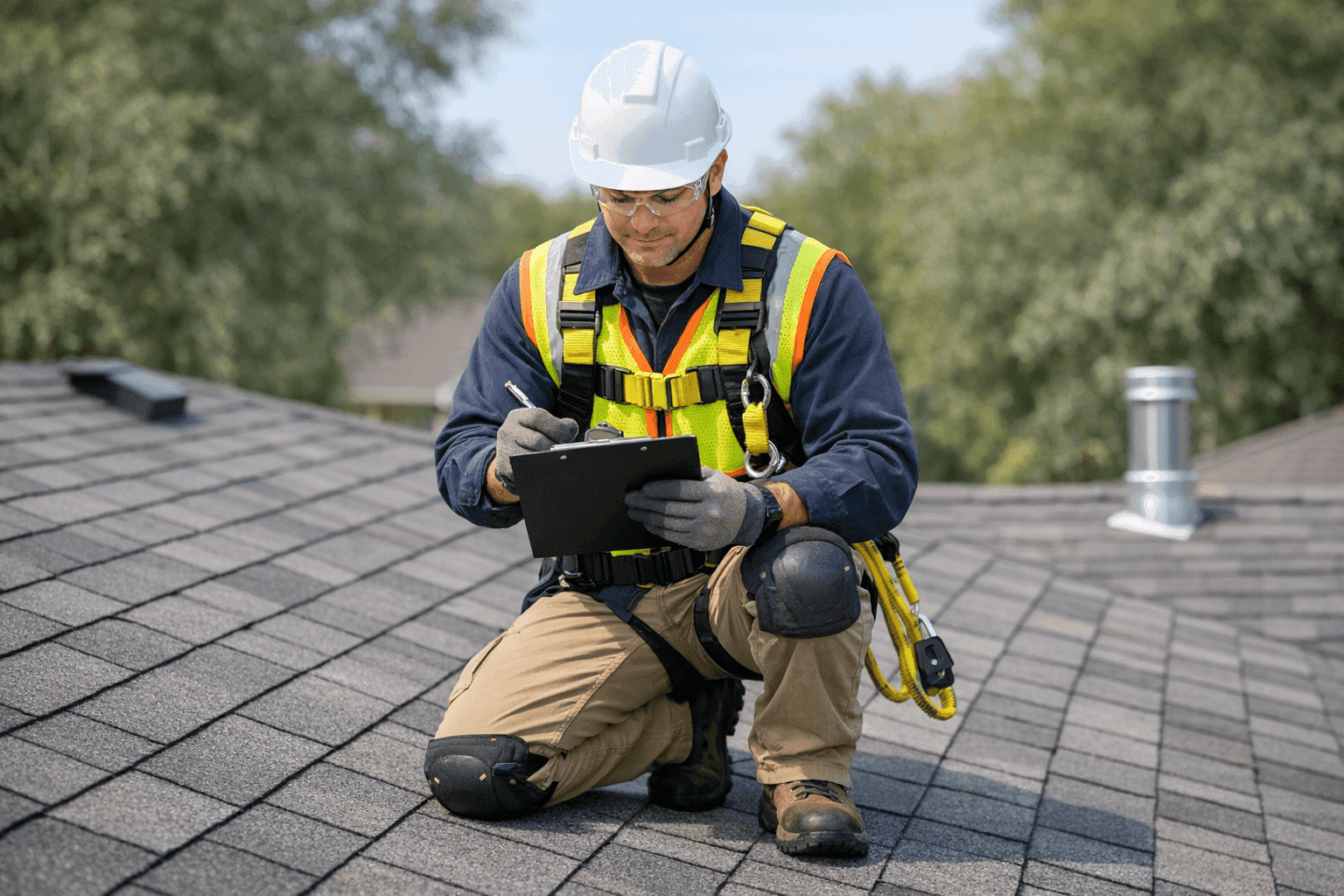
Is your roof overdue for a checkup? Whether you own a cozy home or manage a busy commercial property, a professional roof inspection is one of the smartest ways to protect your investment. At Robert Foley Roofing, we know that what you can’t see overhead can sometimes hurt you the most.
Think of your roof as the silent guardian of your building. It shields you from storms, sun, and everything in between. But even the strongest roof needs a little attention to keep doing its job. Here’s what you can expect when you schedule an inspection—and why it matters more than you might think.
Preparing for Your Inspection 📝
Before the inspector arrives, there are a few things you can do to make the process smooth. Clear vehicles and outdoor furniture away from the house, and make sure gates or access points are unlocked. If you have pets, it’s a good idea to keep them indoors during the visit.
Have any recent leaks or issues? Jot down notes or take photos. Sharing this information helps the inspector focus on potential trouble spots. If you have past repair records, keep them handy—they’re like a medical history for your roof.
What Inspectors Look For
A seasoned roofing inspector is a bit like a detective, searching for clues that might spell trouble down the road. Here’s what they typically check:
- Shingles or Tiles: Missing, cracked, curled, or worn-out pieces often signal bigger issues.
- Flashing and Chimney Areas: These metal barriers keep water out of seams and joints. Damaged flashing is a common leak culprit.
- Gutters and Downspouts: Inspectors look for clogs, sagging, or rust that could block water flow.
- Decking and Structure: The roof’s skeleton needs to be solid, with no signs of sagging or rot.
- Sealants and Coatings: Old or cracked sealant around vents, skylights, or pipes can let water sneak in.
- Attic Ventilation and Insulation: Poor airflow can shorten your roof’s life and inflate energy bills.
- Signs of Water Intrusion: Stains, soft spots, or mold inside the attic or ceiling are red flags.
If you’re curious about the step-by-step roof inspections process, we break it down for both residential and commercial properties.
Safety First: Quick Checklist
Roof inspections aren’t just about shingles and nails—safety is always a top priority. Inspectors follow OSHA safety guidelines, wearing harnesses and using stable ladders. Homeowners should stay safely on the ground during the inspection. If you have solar panels or a steep roof, let your inspector know ahead of time.
DIY vs. Call a Pro
It’s tempting to climb up and take a look yourself. But roofs can be slippery, and hidden problems are easy to miss without the right training. Think of it like visiting a doctor for an annual checkup instead of self-diagnosing. Professional inspectors bring specialized tools and a trained eye—plus, you stay safe on the ground.
What Happens When Inspectors Arrive
Expect a friendly introduction, then a walk-around to spot visible issues from the ground. Next, the inspector will safely access the roof, taking notes and photos. Inside, they may check the attic for leaks, proper ventilation, or insulation gaps. The whole process usually takes 45–90 minutes, depending on the roof’s size and complexity.
Common Findings and Next Steps 🛠️
After the inspection, you’ll get a detailed report with photos and clear explanations. Here are some typical findings:
- Minor Wear and Tear: Small cracks, loose shingles, or faded sealants. Usually fixed with quick repairs.
- Clogged Gutters or Downspouts: Regular cleaning can prevent water backup and roof rot.
- Damaged Flashing: Often requires prompt attention to prevent leaks.
- Moss or Algae Growth: Can shorten your roof’s lifespan if left untreated.
- Structural Concerns: Sagging, rot, or signs of water damage may need more extensive repairs.
Your inspector will outline next steps, prioritizing urgent repairs and suggesting a timeline for maintenance. Sometimes, repairs can be scheduled right away. Other times, you’ll have a window to plan and budget.
Timeline & Disruption: What to Expect
Most inspections are non-intrusive and won’t disrupt your daily routine. For commercial buildings, inspections can often be scheduled outside business hours. If repairs are needed, your roofing contractor will coordinate timing to minimize inconvenience.
Prevention & Maintenance: Staying Ahead
Regular inspections are the secret to a long-lasting roof. Just like changing the oil in your car, preventative maintenance keeps small issues from turning into major headaches. The National Roofing Contractors Association recommends at least one professional inspection per year—more if your area sees frequent storms or heavy snowfall.
Pair inspections with routine preventative maintenance like gutter cleaning and sealant checks. This proactive approach can extend your roof’s life, improve energy efficiency, and save money in the long run.
When It’s an Emergency
Sometimes, nature throws a curveball—a fallen branch, sudden leak, or hailstorm. If you notice water dripping indoors or see daylight through your attic, don’t wait. Quick action can prevent further damage. For those needing urgent help, our team is ready to respond, including support for Corvallis roofing services and surrounding areas.
Seasonal Considerations 🌦️
Roofs face different challenges as the seasons change. Spring and fall are ideal for inspections—after winter’s freeze and before summer’s heat. Heavy rain, snow, or wind can expose weak spots. Scheduling an inspection before storm season is a smart move, especially for older roofs or properties surrounded by trees.
Signs of Trouble Homeowners Shouldn’t Ignore
- Water stains on ceilings or walls
- Missing or broken shingles
- Granules collecting in gutters
- Sagging rooflines
- Unexplained spikes in energy bills
If you spot any of these, it’s time to call in the pros.
Materials and Equipment Used
Inspectors use more than just a ladder. Moisture meters, infrared cameras, and drones help spot hidden leaks or insulation gaps. These tools allow for a thorough, non-destructive look at your roof’s health.
Costs & Time Factors
The cost of a professional roof inspection varies by roof size, pitch, and complexity. Investing in regular inspections can save thousands by catching problems early. Most inspections take less than two hours and require minimal prep on your part.
Commercial vs. Residential: What’s Different?
While the basics are the same, commercial roofs often require extra attention to flat surfaces, drainage systems, and flashing around HVAC units. Residential roofs may have more complex angles, skylights, or chimneys. Either way, a tailored approach ensures every detail is covered.
FAQs: Roof Inspection Edition
How often should I get my roof checked?
At least once a year, or after severe weather.
Can I stay home during the inspection?
Absolutely. Most inspections are quick and non-disruptive.
What if my roof is new?
Even new roofs benefit from inspections to catch installation issues or storm damage early.
Are inspections needed for metal or tile roofs?
Yes. Every material has unique vulnerabilities—inspectors know what to look for.
Benefits of Regular Professional Inspections 🏠
- Catch small problems before they become expensive repairs
- Maintain warranty coverage (many manufacturers require annual checks)
- Improve energy efficiency with better ventilation and insulation
- Boost your property’s value and curb appeal
- Peace of mind, knowing your roof is ready for whatever weather comes next
Regular inspections are a smart investment in your property’s future. They’re the difference between a quick patch and a costly overhaul.
Call Robert Foley Roofing now — or reach us anytime at 844-684-1881 .