When to Replace Your Gutters: Signs, Costs, and Process
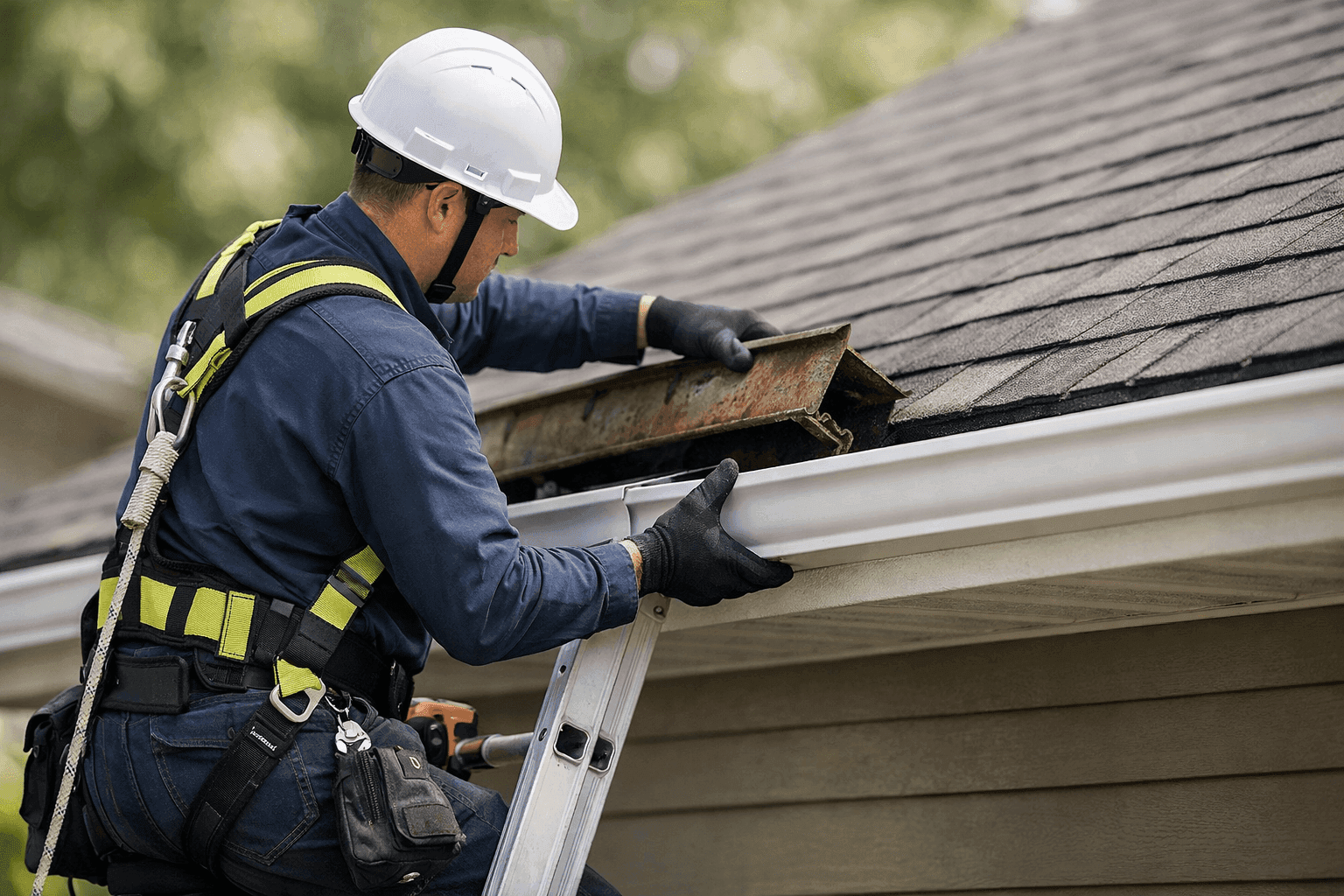
Gutters are like the unsung heroes of your home or business. Most of the time, you barely notice them—until they fail. When rainwater starts spilling over the edge or pooling around your foundation, the urgency hits. Suddenly, what seemed invisible is impossible to ignore.
At Robert Foley Roofing, we know that deciding when to replace your gutters can feel overwhelming. This guide will help you spot the signs, understand the costs, and know what to expect every step of the way. Let’s keep your property protected, rain or shine.
Signs You Need New Gutters 🛑
Not every gutter problem means you need a full replacement. But there are warning signs you shouldn’t ignore:
- Visible cracks or splits: Even small ones can let water seep through and widen over time.
- Peeling paint or rust stains: This is like a fever—an early sign that water isn’t flowing where it should.
- Sagging or pulling away: Gutters should hug your roofline. If they’re drooping, something’s wrong with their support or structure.
- Puddles or mildew near your foundation: Water pooling by the house means gutters aren’t doing their job.
- Frequent clogs, even after cleaning: If leaves and debris keep causing backups, your system may be outdated or improperly sloped.
- Rotting fascia boards: The wood behind your gutters shouldn’t be soft or crumbly.
If you spot any of these, it might be time to consider a change. Sometimes, a simple gutter repair can solve the problem. But if these issues keep coming back, replacement could be the safer long-term fix.
Gutter Replacement Cost Breakdown
Let’s talk numbers. Replacing gutters isn’t just about materials; it’s about labor, disposal, and sometimes hidden surprises.
- Materials: Aluminum is the most common, but there’s also steel, copper, and vinyl. Each has its own price tag and lifespan.
- Labor: Professional installation ensures proper pitch and secure attachment. Labor costs depend on roof height, slope, and accessibility.
- Removal and disposal: Old gutters need to be safely taken down and hauled away.
- Extra repairs: Sometimes, you’ll find damaged fascia, soffit, or even roof decking that needs attention before new gutters go up.
Typical price range: According to the International Association of Certified Home Inspectors, homeowners can expect to pay between $8 and $18 per linear foot for new gutters, installed. Complex rooflines or premium materials (like copper) will push that higher.
Hidden costs: Don’t forget downspouts, splash blocks, or gutter guards. These extras can make a big difference in long-term performance.
The Replacement Process Step-by-Step
Replacing gutters isn’t just a quick swap. Here’s what to expect from start to finish:
1. Inspection and Measurement
First, a thorough inspection of your current gutter system, roof edges, and fascia boards. Accurate measurements ensure the new system fits perfectly.
2. Material Selection
Choose materials and colors that match your property and climate. Aluminum is lightweight and rust-resistant. Steel is tougher but heavier. Copper brings a classic look that lasts decades.
3. Removal of Old Gutters
Old gutters are carefully detached to avoid damaging your roof, siding, or landscaping.
4. Repairs (If Needed)
Any rotten fascia or damaged roof edges are repaired. This step is crucial—installing new gutters on weak wood is like putting new tires on a car with a bent axle.
5. Installation of New Gutters
Sections are custom-cut and assembled on-site. Proper pitch is set so water flows smoothly to downspouts. Secure brackets and hangers are used to prevent sagging.
6. Downspouts and Accessories
Downspouts are installed at key drainage points. You might add splash blocks, extensions, or leaf guards for extra protection.
7. Final Inspection and Cleanup
Everything is tested for leaks and proper flow. Debris is cleaned up, leaving your property tidy.
If you want a closer look at what goes into gutter installation, our service page breaks down the details.
Choosing the Right Gutter System
Not all gutters are created equal. The best choice depends on your roof type, local climate, and budget.
Consider these factors:
- Material: Aluminum is affordable and low-maintenance. Copper is beautiful and durable but pricier. Vinyl is budget-friendly but can crack in harsh weather.
- Size and shape: Standard K-style or half-round? Five-inch, six-inch, or custom? Larger gutters handle more water, which is key for steep or large roofs.
- Color: Match or accent your siding and roof for curb appeal.
- Gutter guards: These mesh covers keep leaves and debris out, reducing maintenance.
- Eco-friendly options: Recycled materials and rainwater harvesting setups are available for sustainability-minded owners.
A professional can help you weigh the options and pick a system that will last for years.
DIY vs. Professional Replacement
It’s tempting to try replacing gutters yourself. But here’s the catch: Gutters must be pitched just right—too flat and water pools, too steep and it shoots past the downspout. Working on ladders is risky, especially on multi-story buildings.
DIY is possible for:
- Single-story homes with basic layouts
- Homeowners comfortable with tools and heights
Best left to professionals:
- Multi-story buildings
- Complex rooflines
- Commercial properties
Professionals follow OSHA safety guidelines and local building codes. They also spot problems you might miss, like hidden rot or improper roof flashing.
Timeline and Disruption: What to Expect
Most gutter replacements take a day or two, depending on property size and weather. Here’s what to expect:
- Noise: Removal and installation can be loud.
- Access: Crews need clear space around your home or building.
- Weather delays: Rain or high winds may pause work for safety.
Your landscaping and daily routine should be minimally disrupted. Crews clean up thoroughly before leaving.
When It’s an Emergency
Sometimes, waiting isn’t an option. If your gutters are hanging loose after a storm, or water is pouring into your basement, it’s time to act fast.
If you’re facing urgent gutter problems and need Sacramento gutter services, help is available for quick response and repairs.
Preventative Maintenance: Make Gutters Last
Want your new gutters to go the distance? Prevention is key.
- Clean twice a year: Spring and fall are prime times.
- Check for clogs: Downspouts should run clear.
- Inspect after storms: Look for dents, leaks, or loose sections.
- Trim nearby trees: Overhanging branches drop leaves and twigs.
Routine maintenance can prevent small issues from becoming big headaches.
Common Mistakes to Avoid
Even well-meaning property owners can make mistakes with gutters:
- Ignoring small leaks: They get bigger, fast.
- Using undersized gutters: Heavy rain will overwhelm them.
- Improper slope: Water won’t drain, causing overflow.
- Skipping downspouts: Water needs a clear exit route, away from the foundation.
If you notice problems, don’t wait for them to escalate. Sometimes, quick gutter repair can save you from a full replacement.
Seasonal Considerations
Gutters face different challenges as seasons change:
- Spring: Melting snow and heavy rain can reveal leaks or clogs.
- Summer: Dry weather is perfect for repairs or upgrades.
- Fall: Leaves and debris build up fast. Clean early and often.
- Winter: Ice dams can damage gutters and roofs. Insulation and ventilation help prevent this.
Plan replacements or repairs for dry, mild weather when possible.
Safety Checklist Before Work Begins 🦺
- Clear the area below gutters of furniture, vehicles, and valuables.
- Keep pets and children indoors during work.
- Discuss any roof access needs with your installer.
- Review your contractor’s insurance and licensing.
Following OSHA and local code requirements keeps everyone safe.
Frequently Asked Questions
How long do gutters last?
Aluminum and steel gutters typically last 20–30 years. Copper can last 50+ with proper care.
Do I need new downspouts too?
Often, yes. Old downspouts may be clogged or rusted, and new gutters work best with matching components.
Will new gutters change the look of my home?
They can! Choose colors and styles that complement your siding and roof.
Can I upgrade to larger gutters?
Absolutely. Larger gutters and downspouts are recommended for steep or complex roofs.
Preparing for Gutter Replacement
Before your scheduled replacement:
- Move vehicles and valuables away from the work zone.
- Inform neighbors about the project, especially if access is tight.
- Ask your installer about expected start and finish times.
A little prep makes the process smoother for everyone.
The Importance of Proper Downspout Installation
Even the best gutters can’t do their job if downspouts are missing or poorly placed. Downspouts direct water safely away from your foundation, sidewalks, and landscaping. If you’ve ever seen a waterfall where your downspout should be, you know the damage it can cause.
Proper placement and secure attachment are crucial. Extensions or splash blocks may be added to guide water even further from your building.
Final Thoughts: Protecting Your Property
Gutters may not be glamorous, but they’re vital. Like the strings on a violin, when they’re tuned and in place, everything works in harmony. When they’re broken, the whole system falters.
Whether you’re considering a full upgrade or quick repairs, understanding the signs, costs, and process puts you in control. For everything from gutter installation to seasonal upkeep, Robert Foley Roofing is here to help.
Call Robert Foley Roofing now — or reach us anytime at 844-684-1881 .