When to Schedule a Roof Inspection: Timing and Warning Signs
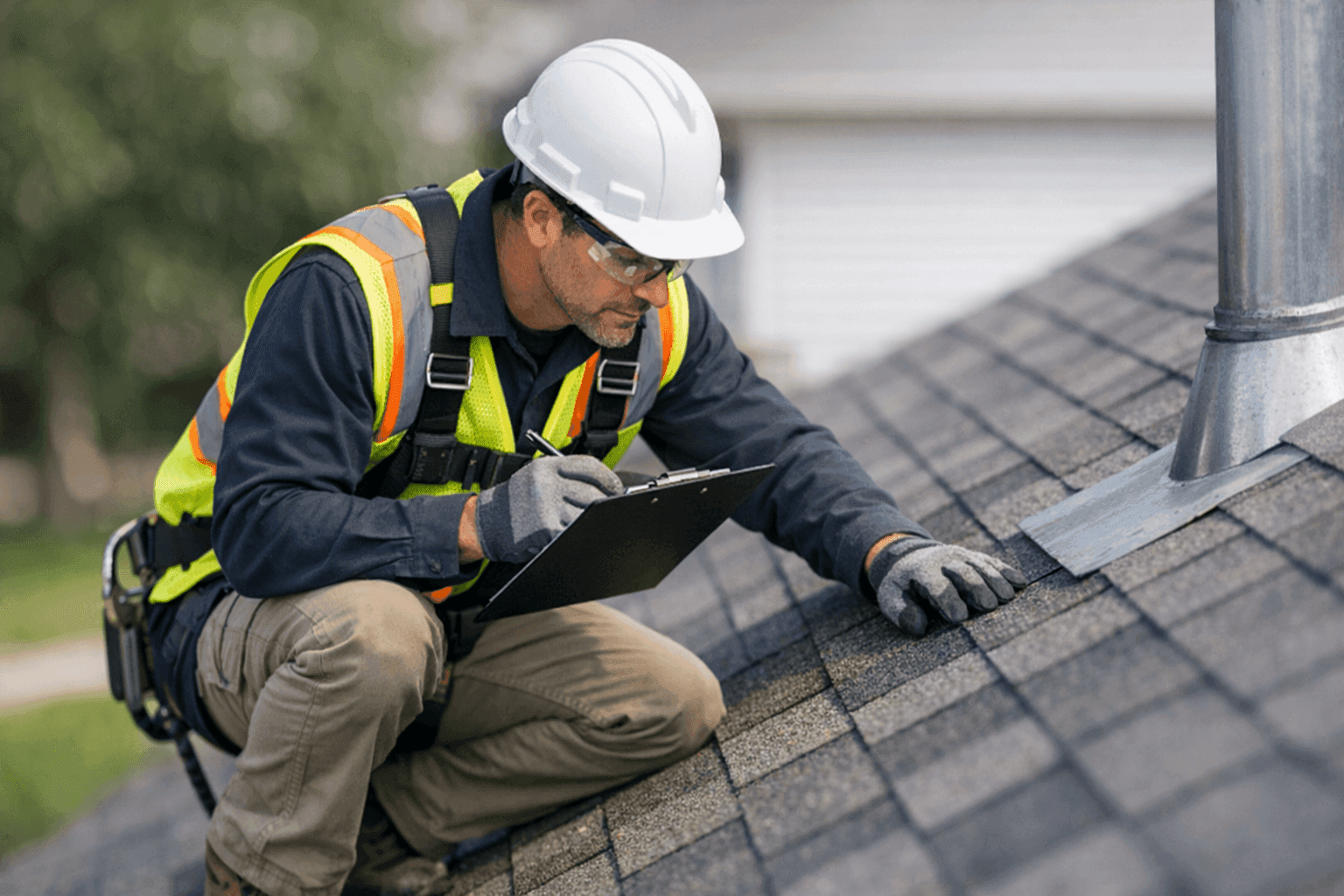
Most people don’t think about their roof until something goes wrong. But waiting for a leak or a missing shingle is like waiting for your car to break down before ever checking the oil. Regular attention keeps your home or business safe, dry, and protected—no matter what the weather throws your way.
At Robert Foley Roofing, we know that understanding when to schedule an inspection can save you from headaches and unexpected costs. Whether you own a house, manage a business, or oversee new construction, knowing what to look for—and when to act—makes all the difference.
Key Times to Get a Roof Inspection
Timing matters. Your roof faces sun, wind, rain, and sometimes even snow or hail. Here are the best moments to schedule a checkup:
- After Severe Weather 🌩️
Heavy storms, high winds, and hail can loosen shingles, dent metal, or clog gutters. Even if nothing looks wrong from the ground, hidden damage may be lurking. - Before Buying or Selling
A thorough inspection is a smart move before any real estate transaction. It helps avoid surprises and supports a smooth closing. - At Least Once a Year
Even if your roof seems fine, annual inspections catch small problems—before they become big ones. - After Major Roof Work
If you’ve had repairs, replacements, or additions like skylights or chimneys, schedule a follow-up to confirm everything is watertight. - When Planning Major Renovations
If you’re adding solar panels, a new deck, or other upgrades, a roof check ensures your structure is ready to support the changes.
For both residential and commercial properties, these moments are prime time for a roof inspection to keep everything in top shape.
Warning Signs Your Roof Needs Checking
Your roof doesn’t send emails when it needs help. Instead, it drops hints—some obvious, some subtle. Watch for:
- Water Stains on Ceilings or Walls
These brown or yellow patches are often the first sign of a leak. - Missing, Cracked, or Curling Shingles
Shingles are your roof’s armor. When they go missing or start to buckle, water can sneak in. - Granules in Gutters
If you spot lots of tiny granules in your gutters, your shingles are wearing out. - Sagging Roof Deck
A drooping line along your roof could mean structural issues or trapped moisture. - Moss or Algae Growth
Green patches may look harmless but can trap moisture and speed up decay. - Rusty Flashing or Loose Sealants
Flashing protects the most vulnerable spots—chimneys, skylights, vents. Rust or gaps are red flags. - Unexplained Spikes in Energy Bills
Poor ventilation or insulation can force your heating and cooling to work overtime.
If you notice any of these, don’t wait. Small problems can turn into big repairs fast.
Benefits of Timely Inspections
Think of an inspection as a health checkup for your property. Here’s what regular attention delivers:
- Saves Money
Catching issues early means less expensive repairs. Replacing a few shingles beats replacing your whole roof. - Extends Roof Life
Well-maintained roofs last longer—sometimes years longer. - Protects Your Investment
Your roof shields everything beneath it. Timely inspections protect your home, business, and belongings. - Improves Safety
Hidden leaks or weak spots can lead to mold, rot, or even collapse in extreme cases. - Supports Insurance Claims
Documentation from regular inspections can help if you ever need to file a claim for storm or water damage.
The National Roofing Contractors Association (NRCA) recommends at least two inspections per year—once in the spring and once in the fall.
What to Expect During Your Inspection
A professional inspection is thorough but straightforward. Here’s how it usually goes:
- Exterior Review
The technician checks shingles, flashing, gutters, downspouts, and skylights. They look for cracks, wear, and storm damage. - Interior Check
Attics and ceilings are inspected for water stains, mold, and signs of leaks or poor ventilation. - Structural Assessment
The inspector looks for sagging, bowing, or other signs of structural weakness. - Detailed Report
You’ll get a clear summary of findings, with photos and recommendations for repairs or maintenance.
Inspections typically take one to two hours for an average-sized home, a bit longer for larger commercial properties or complex roofing systems.
DIY vs. Call a Pro
Some things you can spot yourself—like missing shingles or clogged gutters. But climbing on your roof is risky, and many problems are hard to see from the ground. Professionals have the training, equipment, and experience to spot issues you might miss.
If you’re ever unsure, err on the side of caution. The cost of an inspection is minor compared to major repairs down the road.
Quick Safety Checklist Before the Inspection
Safety first—always. Before your scheduled visit:
- Clear driveways and walkways.
- Keep pets and children indoors.
- Move vehicles away from the house or building.
- Let your inspector know about any known leaks or recent repairs.
This makes the inspection smoother and safer for everyone involved.
Prevention & Maintenance: Building a Solid Routine
Don’t wait for trouble. Preventative steps help your roof last longer:
- Clean gutters and downspouts regularly.
- Trim overhanging branches.
- Check attic ventilation and insulation.
- Remove debris after storms.
- Schedule annual or biannual inspections.
A little routine care goes a long way—think of it as brushing your roof’s teeth.
When It’s an Emergency
Sometimes, you can’t wait. Sudden leaks, storm damage, or a fallen branch can turn into emergencies fast. In urgent situations, immediate attention is crucial to prevent further water intrusion or structural damage.
If you’re local, Portland roofing services are available for those unexpected moments when you need help right away.
Seasonal Considerations
Weather patterns change with the seasons, and so do your roof’s needs:
- Spring: Check for winter wear, ice dam damage, or loose shingles.
- Summer: UV rays and heat can dry out roofing materials.
- Fall: Clear leaves and debris before winter storms arrive.
- Winter: Watch for ice dams, heavy snow, and freeze-thaw cycles.
Scheduling inspections around these seasonal changes helps catch problems before they escalate.
Common Mistakes to Avoid
Even the most diligent property owners can slip up. Here’s what to watch out for:
- Ignoring minor leaks or stains.
- Skipping annual inspections.
- Hiring unlicensed or uninsured contractors.
- Attempting complex repairs without proper training.
When in doubt, consult with a qualified roofing professional.
Timeline & Disruption: What to Expect
Most inspections are quick and cause minimal disruption. For businesses, inspections can often be scheduled outside peak hours. For homeowners, you don’t usually need to be present, but being available for questions or to review findings can be helpful.
Materials & Equipment Used
Professional inspectors use ladders, moisture meters, drones, and infrared cameras to detect hidden leaks or insulation problems. These tools help catch what the naked eye can’t see.
FAQ: Your Roof Inspection Questions Answered
How often should I schedule an inspection?
At least once a year, or after any major storm.
Will I get a written report?
Yes, a summary with photos and recommendations is standard.
Can I inspect my own roof?
You can spot obvious problems, but a full inspection is best left to a pro.
Final Thoughts: Protecting Your Roof, Rain or Shine
Your roof is your first line of defense—against rain, wind, sun, and time itself. Don’t wait for trouble to come knocking. Regular inspections, routine care, and quick action at the first sign of trouble keep your property safe and sound.
Call Robert Foley Roofing now — or reach us anytime at 844-684-1881 .